Can Diet Affect Fertility? What Research Shows
Does what you eat affect fertility? Research suggests nutrition influences ovulation, egg and sperm development, hormone balance, and early embryo development. Learn how overall diet quality may support fertility and reproductive health.


Does What I Eat Affect Fertility?
Many people trying to conceive (TTC) wonder:
Does what I eat affect fertility?
Yes — nutrition can influence fertility.
The foods we eat affect several biological processes involved in reproduction, including:
• ovulation
• egg and sperm development
• hormone balance
• early embryo development
No single food determines whether pregnancy will occur. But the overall pattern of what we eat — over time — may play a role in fertility and reproductive health.
(As you read, you’ll notice references to upcoming articles. When they’re published, we’ll link them here. If you’re subscribed to Food & Fertility Insights, they’ll land directly in your inbox.)
What Research Shows
One of the most well-known studies examining lifestyle and fertility is the Nurses’ Health Study II, which followed nearly 18,000 women trying to become pregnant.
Researchers identified a dietary pattern and set of lifestyle factors associated with a lower risk of ovulatory infertility. Women who followed the dietary pattern most closely had a 66% lower risk of ovulatory infertility than those who followed it the least.[1]
When researchers examined several low-risk lifestyle factors together — including diet quality, weight management, and physical activity — the reduction in ovulatory infertility risk was even greater.
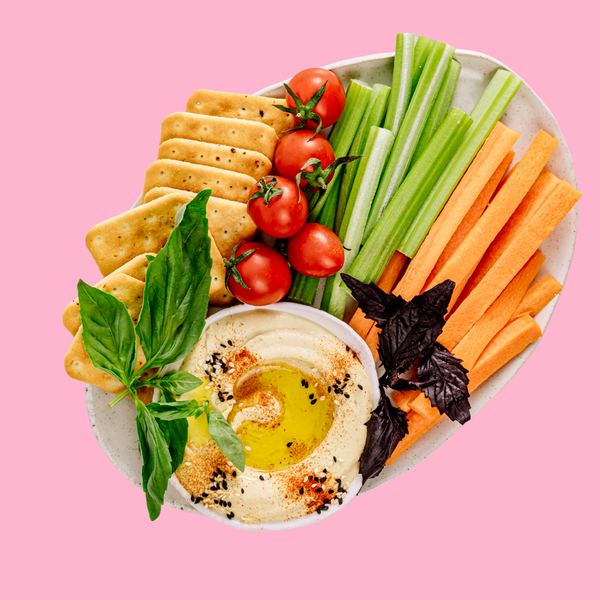
Other studies have examined Mediterranean-style dietary patterns, which emphasize vegetables, fruits, legumes, whole grains, fish, and healthy fats such as olive oil. Higher adherence to this pattern has been associated with improved fertility outcomes and higher pregnancy rates in participants undergoing fertility treatment.[2][3]
These studies suggest that overall diet quality may influence fertility and reproductive health.

The Fertility Timeline
Fertility doesn’t happen overnight. The reproductive cells involved in conception — egg and sperm — mature over time.
Egg development begins about three months before ovulation. During this time, the follicle containing the egg grows and matures.
Sperm development takes about 70–90 days before sperm become capable of fertilization.
Because of this timeline, the months before conception are an important window. This period is sometimes referred to as “trimester zero.” Nutrition and lifestyle patterns during this time can influence reproductive health.
In some situations — such as when hormone signaling or ovulation is disrupted — it may take longer for the body to re-establish regular ovulatory cycles.

What Does a Fertility-Supportive Diet Look Like?
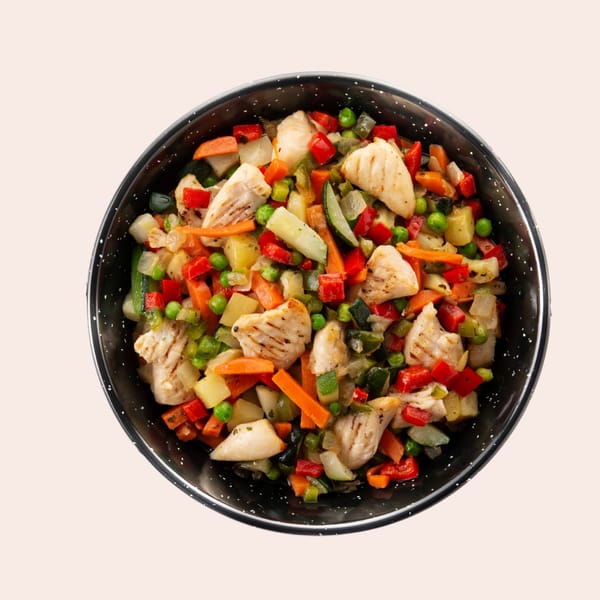
Researchers often study overall dietary patterns because nutrients and foods work together in the body to influence metabolism, hormones, inflammation, and cellular health. Research in fertility nutrition consistently points to similar patterns of eating that support fertility and reproductive health.
These patterns tend to include:
• vegetables and fruits eaten regularly
• whole grains and legumes
• fish and sources of healthy fats
• foods rich in vitamins and minerals
• fewer highly processed foods and refined carbohydrates
A fertility-supportive day of eating doesn’t need to be complicated. For example:
Breakfast
Greek yogurt with berries, walnuts, and oats
Lunch
Quinoa bowl with roasted vegetables, chickpeas, olive oil, and feta
Snack
Apple with almond butter
Dinner
Salmon with sweet potatoes and sautéed greens
How Diet Influences Fertility
Nutrition affects several biological systems involved in reproduction.
Diet patterns may influence:
• hormone and metabolic regulation
• oxidative stress affecting egg and sperm health
• inflammation in reproductive tissues
• the gut microbiome and reproductive tract environment
• cellular energy production needed for egg maturation
• micronutrients required for fertility and early embryo development
We will explore these biological pathways in more detail throughout this article series.
In This Series
This article introduces how overall diet quality may influence fertility.
In the following articles, we will explore how nutrition may affect specific parts of the reproductive process:
• male fertility and sperm development
• egg quality and ovarian function
• hormones and ovulation
• inflammation and oxidative stress
• embryo development
• implantation and uterine health
• nutrition and IVF outcomes
• early pregnancy nutrition
• preconception nutrition and long-term child health
Together, these topics help explain how nutrition interacts with the biology of reproduction.
Summary
Nutrition can influence several biological processes involved in reproduction — including hormone regulation, egg and sperm development, metabolic health, and early embryo development.
Over time, consistent nutrition and lifestyle habits can help support these systems as the body prepares for conception.
References
Chavarro JE et al. Diet and lifestyle in the prevention of ovulatory disorder infertility. Obstetrics & Gynecology. 2007.
Toledo E et al. Mediterranean diet and assisted reproduction outcomes. Human Reproduction. 2011.
Gaskins AJ et al. Dietary patterns and IVF outcomes. Human Reproduction. 2019.
If You’d Like More Guidance
If you'd like more guidance on prioritizing nutrition while TTC, there are two ways to begin:
→ Schedule a free intro call to clarify your next best steps.
(Available for clients in California and New York.)
or
→ Start with Eat for Fertility — a practical guide designed to help you build balanced, fertility-supportive meals without overwhelm.
Both options are designed to provide clarity and direction — without pressure.