

What to Eat During IVF: Nutrition Before Egg Retrieval and Embryo Transfer
Practical, evidence-based nutrition guidance for IVF, from ovarian stimulation and egg retrieval to embryo transfer and early pregnancy.
Practical, evidence-based nutrition guidance for IVF, from ovarian stimulation and egg retrieval to embryo transfer and early pregnancy.
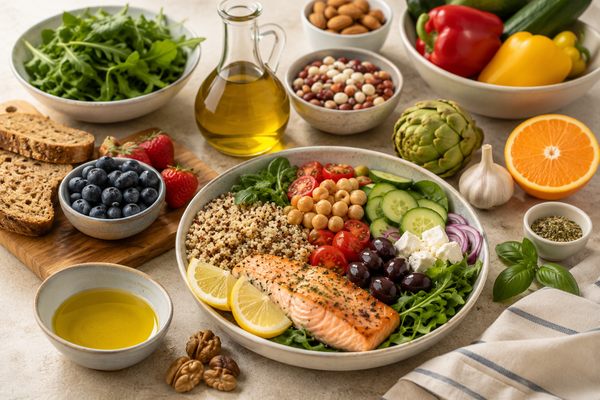
The Mediterranean diet may support fertility while also benefiting overall health. Learn what the research suggests and how to follow this flexible eating pattern while trying to conceive.

Which nutrients matter most when trying to conceive? Learn how food, a prenatal vitamin, and individualized supplements can help meet nutrient needs before pregnancy.
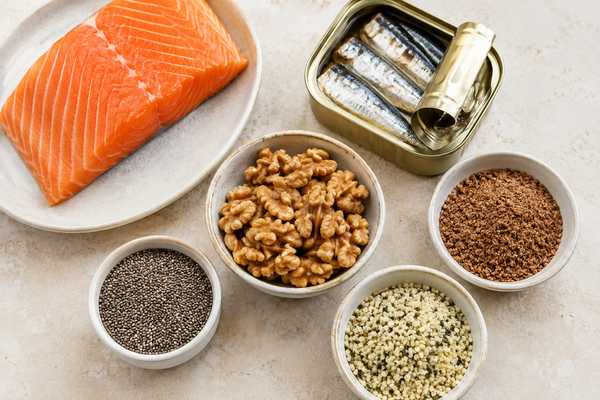
Omega-3s, especially DHA, are important before and during pregnancy. Learn food sources, supplement considerations, and how to choose lower-mercury fish.
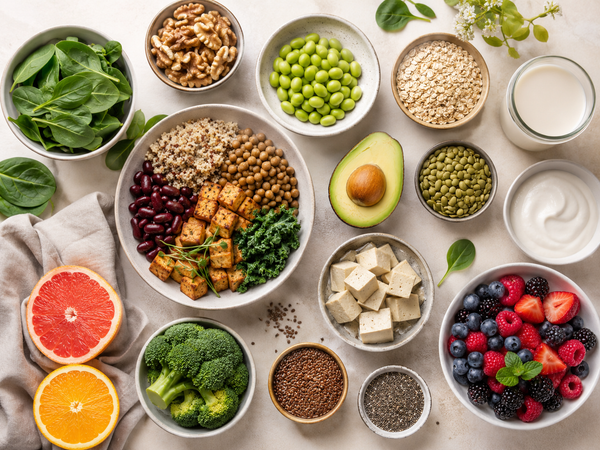
A vegetarian or vegan diet can support fertility and pregnancy with thoughtful planning. Learn which nutrients may need extra attention before conception.
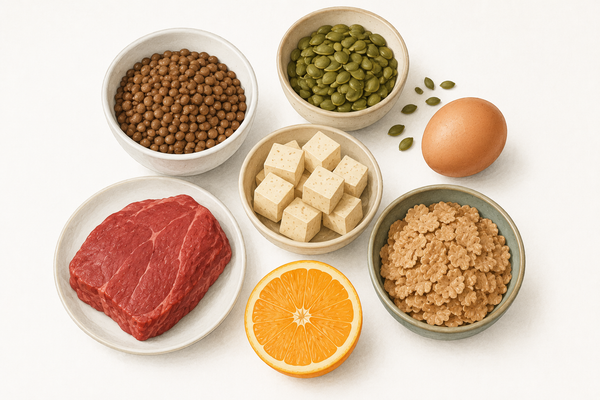
Iron is important before and during pregnancy. Learn why iron stores matter, how ferritin testing can help, and when supplements may be needed.
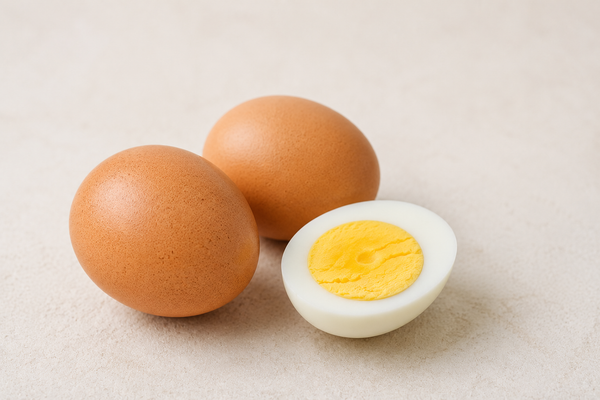
Choline is an important nutrient before pregnancy, but many prenatal vitamins contain little or none. Learn why it matters and how to get enough.
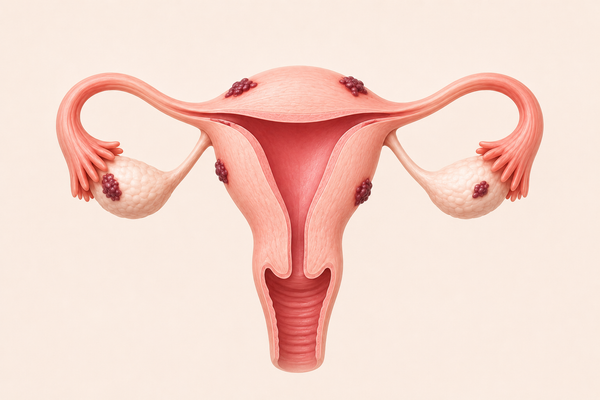
Endometriosis can affect fertility, but nutrition may help support inflammation regulation, digestion, nutrient status, and reproductive well-being while trying to conceive.

Confused by all the prenatal vitamin options? Learn which nutrients matter most before pregnancy and how to choose a prenatal vitamin with confidence.
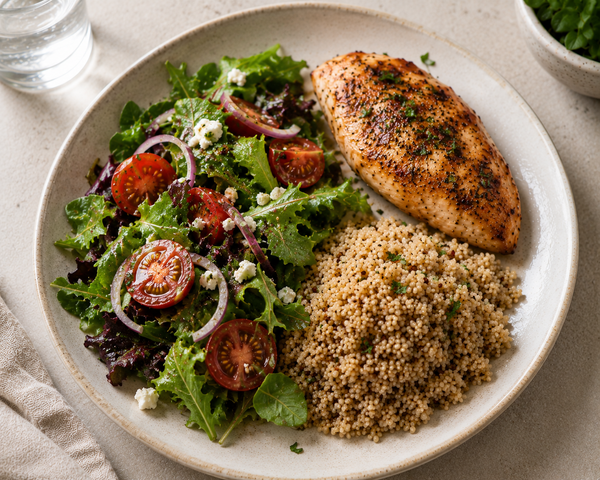
The Fertility Plate is a simple framework for building balanced meals that support reproductive health and create a strong nutrition foundation for fertility.
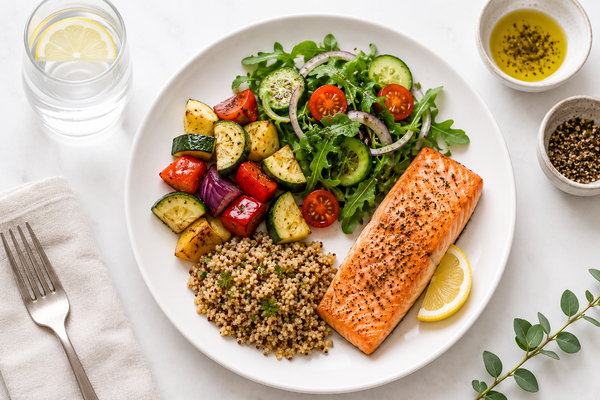
Trying to conceive? Learn about fertility-supportive dietary patterns, key nutrients, and practical nutrition tips for reproductive health.
Trying to conceive? Learn about common tests, supplements, and nutrition considerations before pregnancy and how they can support fertility, your health, and the health of your future child.