Key Nutrients for Fertility: What to Focus on Before Pregnancy
Which nutrients matter most when trying to conceive? Learn how food, a prenatal vitamin, and individualized supplements can help meet nutrient needs before pregnancy.

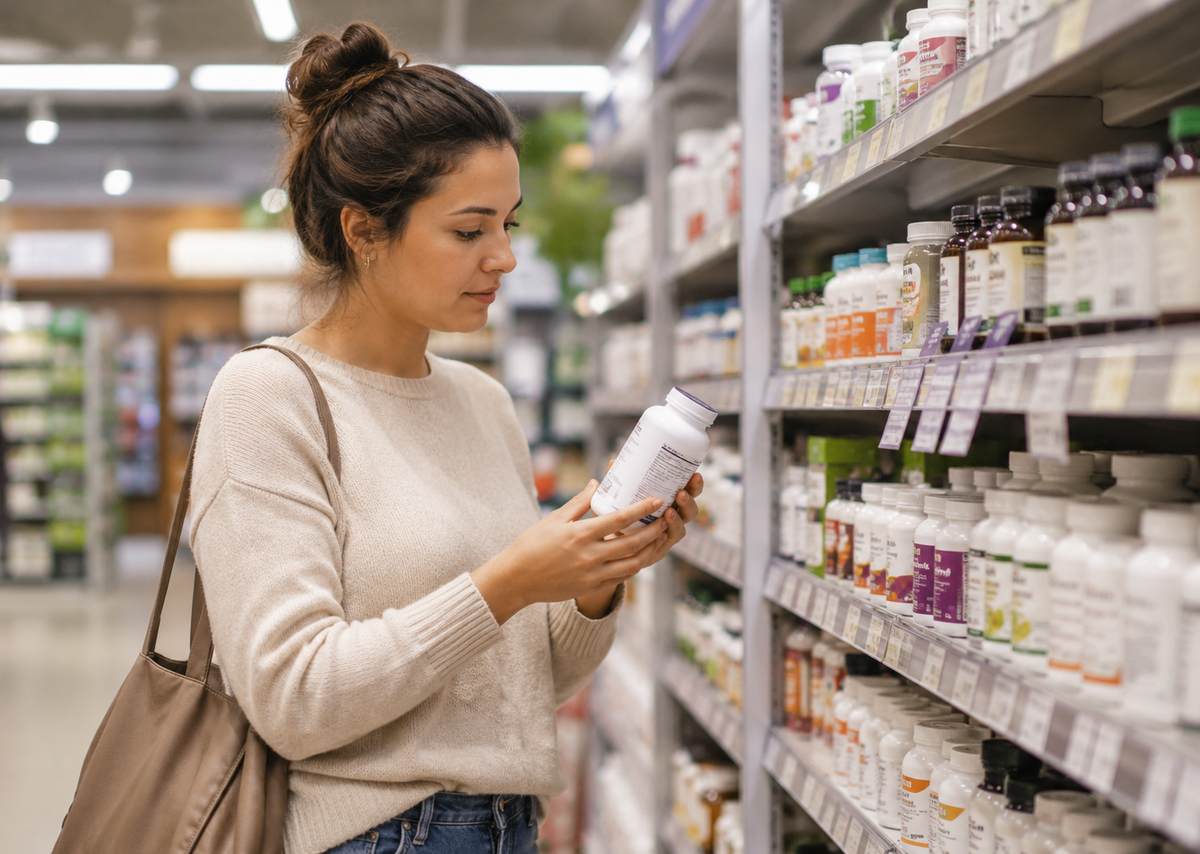
When you are trying to conceive, online advice can make it feel like you need a long list of supplements, antioxidants, powders, and “fertility blends.” This can quickly make preparing for pregnancy feel more complicated than it needs to be.
A practical approach starts with a balanced eating pattern, along with a prenatal vitamin and additional supplements as needed to address individual nutrient gaps. This article explains key nutrients to consider when trying to conceive and where food, prenatal vitamins, and other supplements fit.
Looking for help choosing a prenatal vitamin?
Download the Prenatal Vitamin Starter Guide to learn which nutrients to look for, how to compare products, and what questions to ask before pregnancy.
Do Nutrients Improve Fertility?
Nutrients are necessary for many processes involved in reproductive and overall health, including:
- Cell growth and division
- Hormone production
- Red blood cell formation
- Thyroid function
- Brain and nervous system development
- Placental development
- Egg and sperm health
- Early fetal development
Nutrition is an important part of preconception care. It can help prepare the body for pregnancy and support overall reproductive health.
To learn more about how nutrition may support reproductive health, read Egg Health and Nutrition and Sperm Health and Nutrition. For a broader overview, seePreconception Nutrition: What Actually Matters Before Pregnancy and Trying to Conceive? Start Here: A Fertility Nutrition Roadmap.
Which Nutrients Matter Before Pregnancy?
A few nutrients deserve particular attention before pregnancy because intake may be low, needs may increase, or they support early development, often before someone knows they are pregnant.
These include:
- Folate and folic acid
- Iron
- Choline
- Iodine
- Omega-3 fats, particularly DHA
- Vitamin D
- Vitamin B12
A balanced eating pattern provides the foundation, while a prenatal vitamin can help fill specific nutrient gaps. Prenatal vitamins vary, so it can be helpful to compare products or get guidance on what to look for.
Folate and Folic Acid
Folate is a B vitamin needed for cell division, DNA production, and early fetal development.
Folate is the form naturally present in foods. Folic acid is the form used in fortified foods and many supplements.
Folic acid is especially important before pregnancy because the neural tube develops very early, often before someone knows they are pregnant. Adequate folic acid intake before conception and during early pregnancy reduces the risk of neural tube defects affecting the brain and spinal cord.
Most people planning pregnancy are advised to take 400–800 micrograms of folic acid each day, starting before conception. Some may need more based on their medical history, medications, or previous pregnancy history.
Folate-rich foods are also an important part of a balanced eating pattern. Food sources of folate include:
- Lentils and beans
- Leafy green vegetables
- Avocado
- Asparagus
- Broccoli
- Citrus fruit
- Fortified grains and cereals
Iron
Iron is needed to make hemoglobin, the protein in red blood cells that transports oxygen throughout the body.
Iron needs increase substantially during pregnancy. Starting pregnancy with low iron stores may make it more difficult to meet increased iron needs as pregnancy progresses.
People who may be more likely to have low iron include those who:
- Have heavy menstrual bleeding
- Follow vegetarian or vegan diets
- Eat few iron-rich foods
- Have a history of iron deficiency
- Donate blood frequently
- Have certain digestive or absorption conditions
Food sources of iron include:
- Meat and poultry
- Seafood
- Beans and lentils
- Tofu
- Fortified cereals
- Pumpkin seeds
- Leafy green vegetables
Plant-based iron is absorbed less efficiently than iron from animal foods. Pairing plant-based sources with vitamin C-rich foods, such as bell peppers, citrus fruit, berries, or tomatoes, can help improve absorption.
Iron needs vary. Some people may get enough from food, while others may need iron from a prenatal vitamin or an additional supplement.
For a deeper look, read Iron Before Pregnancy: Why It Matters for Fertility and Early Pregnancy.
Choline
Choline supports cell membranes, brain and nervous system development, placental function, and processes involved in gene expression.
It is particularly important during pregnancy, yet many people do not consume recommended amounts. Prenatal vitamins may also contain little or no choline.
Food sources include:
- Eggs
- Soybeans and soy foods
- Meat and poultry
- Fish
- Milk and yogurt
- Beans and legumes
Eggs are one of the richest and most practical sources. One large egg provides approximately 150 milligrams of choline.
People who avoid eggs or consume few animal-derived foods may need to pay closer attention to choline intake.
To learn more, read Choline Before Pregnancy: Why It Matters and How to Get Enough.
Iodine
Iodine is needed to produce thyroid hormones. These hormones help regulate metabolism and support fetal brain and nervous system development.
Iodine needs increase during pregnancy, but intake can vary considerably depending on food choices and the type of salt used at home.
Sources of iodine include:
- Iodized salt
- Dairy products
- Seafood
- Eggs
- Some fortified foods
Sea salt, kosher salt, Himalayan salt, and other specialty salts are often not iodized. Plant-based dairy alternatives also vary widely in iodine content and may provide less than cow’s milk.
Most people planning pregnancy are advised to take a daily supplement containing 150 micrograms of iodine. Not all prenatal vitamins include iodine, so it can be helpful to check the label. If you have a thyroid condition or take thyroid medication, ask your healthcare provider how much iodine is appropriate for you.
Omega-3 Fats and DHA
Omega-3 fats support cell health, inflammation regulation, and cardiovascular health. Docosahexaenoic acid (DHA) and eicosapentaenoic acid (EPA) are two important types found mainly in seafood. DHA plays an especially important role in fetal brain and eye development.
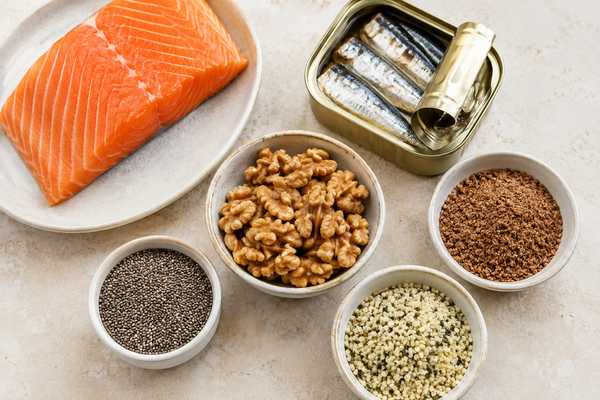
Food sources of DHA and EPA include:
- Salmon
- Sardines
- Trout
- Herring
- Anchovies
Plant foods such as chia seeds, flaxseeds, hemp seeds, and walnuts provide an omega-3 fat called alpha-linolenic acid (ALA). The body can convert a small amount of ALA into EPA and DHA, but the conversion is limited.
For people who do not eat fish, an algae-based DHA supplement may help meet DHA needs.
For more information, read Omega-3s Before Pregnancy: Why DHA Matters for Fertility and Early Pregnancy.
Vitamin D
Vitamin D supports bone health, immune function, and many other processes in the body.
Unlike many nutrients, vitamin D is found in relatively few foods. Sources include:
- Fatty fish
- Egg yolks
- Fortified milk
- Some fortified plant-based beverages
- Fortified cereals
The body also makes vitamin D from sunlight, although levels can vary with skin pigmentation, location, and season. Whether a supplement is needed may depend on vitamin D levels, diet, medical history, and how much is already in a prenatal vitamin.
Vitamin B12
Vitamin B12 supports red blood cell production, nervous system function, and DNA synthesis.
It is found naturally in animal-derived foods, including:
- Meat and poultry
- Fish and shellfish
- Eggs
- Milk and yogurt
People who eat little or no animal-derived food may need fortified foods or a supplement to meet their needs. This is especially important for those following a vegan diet.
If you follow a vegetarian or vegan eating pattern, read Trying to Conceive on a Vegetarian or Vegan Diet: Key Nutrients to Know for a closer look at the nutrients that may need extra attention.
What About Other Nutrients?
Many nutrients work together to support health before and during pregnancy. A varied eating pattern helps provide a broad range of vitamins, minerals, protein, fats, and carbohydrates.
For a practical meal-building approach, read The Fertility Plate: A Simple Framework for Eating to Support Fertility.
Can a Prenatal Vitamin Cover Everything?
No. Food provides the foundation for nourishment before and during pregnancy, while a prenatal vitamin can help fill nutrient gaps.
What a prenatal provides can vary widely. Prenatal vitamins vary in their:
- Folic acid or folate forms
- Iron content
- Iodine content
- Vitamin D content
- Choline content
- DHA content
- Serving size
- Testing and quality standards
Some nutrients, including choline and DHA, may be included in small amounts or left out. Products may also require one tablet or several capsules per day.
To learn how to compare products, read How to Choose a Prenatal Vitamin When Trying to Conceive.
Do You Need Additional Supplements?
Not everyone needs a collection of separate supplements.
Additional supplementation may be appropriate when there is:
- A diagnosed deficiency
- Limited intake of a particular nutrient
- A vegetarian or vegan eating pattern
- A food allergy or intolerance
- A digestive or absorption condition
- A medication that affects nutrient status
- A specific recommendation from a healthcare professional
If you take a prenatal vitamin along with other supplements, reviewing them together can help identify repeated nutrients and avoid amounts that are higher than your needs.
Before adding a new supplement, consider:
- What is already included in your prenatal vitamin
- Other supplements you take
- Your usual eating pattern
- Recent laboratory results
- Medications and medical conditions
- Guidance from a Registered Dietitian or Healthcare Provider
For more guidance, read Tests and Supplements Before Pregnancy: What You Need to Know.
A Food-First Approach to Key Nutrients
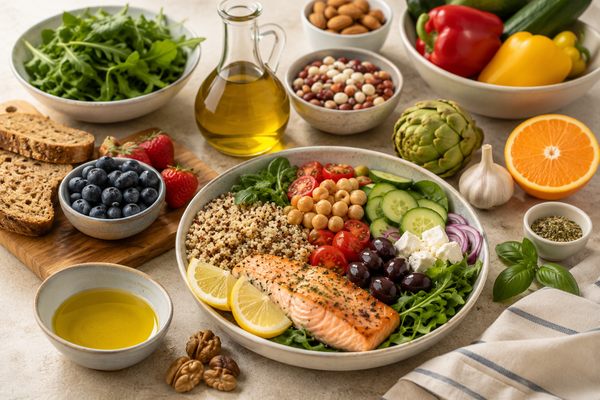
A varied eating pattern can help provide the nutrients needed before and during pregnancy.
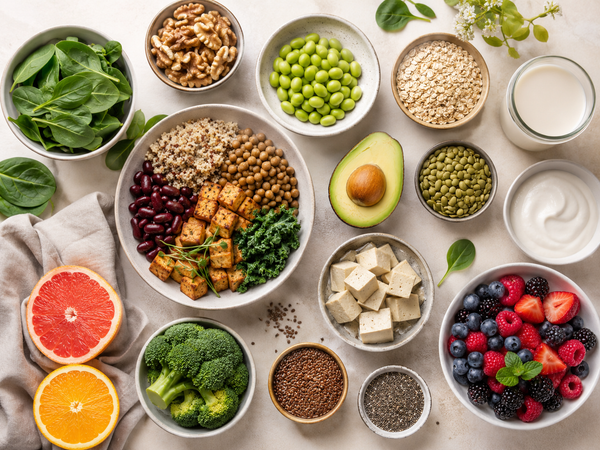
Aim to regularly include:
- Vegetables and fruit
- Whole grains and other high-fiber carbohydrates
- Beans, lentils, nuts, and seeds
- Eggs, fish, poultry, meat, tofu, or other protein-rich foods
- Dairy products or appropriately fortified alternatives
- Sources of healthy fats
Variety matters because different foods provide different combinations of nutrients.
A balanced meal might include:
- Salmon, roasted vegetables, and quinoa
- Eggs with whole-grain toast and fruit
- A lentil bowl with leafy greens, bell peppers, and tahini
- Greek yogurt with berries, walnuts, and oats
- Tofu with brown rice and mixed vegetables
A prenatal vitamin can then help fill specific gaps and support the nutrition foundation built through food.
The goal is to build a consistent eating pattern that provides a broad range of nutrients.
The Bottom Line
Nutrition before conception can help prepare the body for pregnancy and support early development, often before someone knows they are pregnant.
Important nutrients to consider include:
- Folate and folic acid
- Iron
- Choline
- Iodine
- Omega-3 fats, particularly DHA
- Vitamin D
- Vitamin B12
A balanced eating pattern and an appropriate prenatal vitamin provide the foundation. Additional supplements can then be considered based on your diet, medical history, laboratory results, and individual needs.
This information is for educational purposes and is not a substitute for individualized medical or nutrition advice. Talk with your healthcare professional before making significant changes to your diet or supplement routine.
Fertility Nutrition Is Personal
Your nutrient needs may be different if you follow a vegetarian or vegan diet, have heavy periods, live with a digestive condition, have previously experienced a nutrient deficiency, or are preparing for fertility treatment.
A Registered Dietitian who specializes in fertility can help you review your eating pattern, prenatal vitamin, supplements, medical history, fertility goals, and any relevant laboratory results to develop a plan that fits your needs.
Looking for help choosing a prenatal vitamin?
Download the Prenatal Vitamin Starter Guide to learn which nutrients to look for, how to compare products, and what questions to ask before pregnancy.
Disclaimer: This article is for general educational purposes and is not a substitute for individualized medical, nutrition, or mental health care. Nutrition needs and fertility care vary based on health history, symptoms, medications, laboratory results, pregnancy status, and treatment plans. Discuss concerns, testing, diagnoses, and any changes to medications, supplements, or treatment with an appropriate healthcare professional.