Egg Health and Nutrition
Egg development begins months before ovulation. Learn how nutrition, antioxidants, energy availability, and lifestyle habits may support egg health and reproductive function before conception.

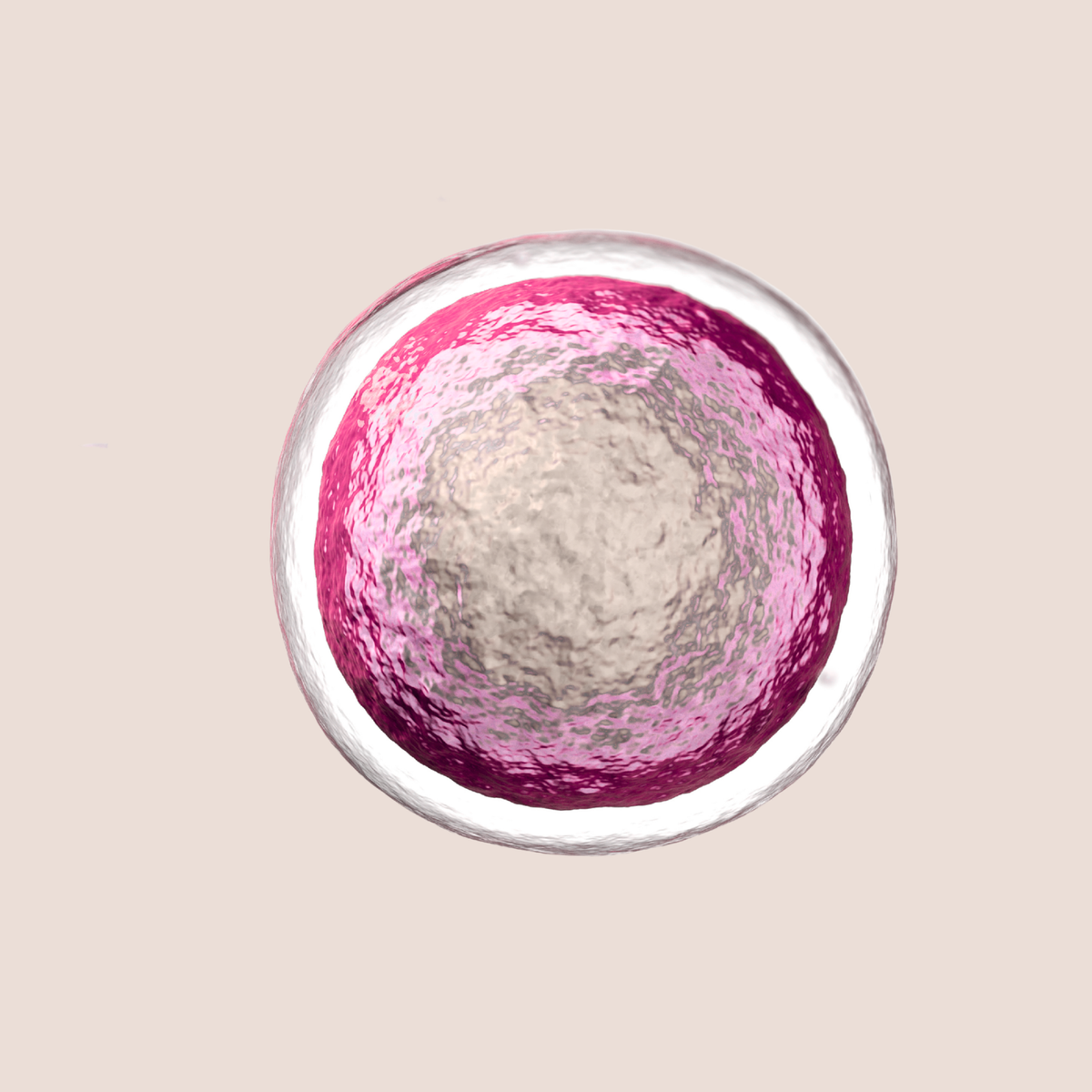
Fertility discussions often focus on ovulation and the timing of intercourse. But egg development begins months before ovulation occurs.
Nutrition is one factor that may influence the biological processes involved in egg development and ovarian function. While nutrition cannot change egg supply or guarantee fertility outcomes, consistent nutrition and lifestyle habits may help support the environment in which eggs mature.
Want a Simple Way to Start Eating for Fertility?
Download the free Fertility Plate Starter Guide for a simple, balanced framework you can use to build fertility-supportive meals without tracking, counting, or unnecessary restriction.
The Egg Development Timeline
Egg cells develop gradually within the ovaries. Although people with ovaries are born with their lifetime supply of eggs, the final stages of egg and follicle development occur over roughly the three months before ovulation.
Nutrition and lifestyle patterns during this window may influence egg quality, as this is the time before conception when reproductive cells are developing. For practical guidance on what to eat when trying to conceive, including the nutrition patterns associated with fertility, start here.
What Researchers Study in Egg Quality
Researchers studying female fertility often examine several aspects of ovarian function, including:
• Ovulation and menstrual cycle regularity
• Hormone signaling between the brain and ovaries
• Follicle development within the ovary
• Mitochondrial function within the egg
• Chromosomal integrity during egg maturation
These processes influence whether ovulation occurs and the quality of the egg—whether it can successfully support fertilization and early embryo development.
Nutrition may influence several biological systems involved in ovarian function, including hormone regulation, inflammation, oxidative stress, and cellular energy production.
What Research Shows
Several studies have examined how overall dietary patterns relate to fertility outcomes in women.
Research from the Nurses’ Health Study II found that women who followed certain dietary patterns were less likely to experience ovulatory infertility.
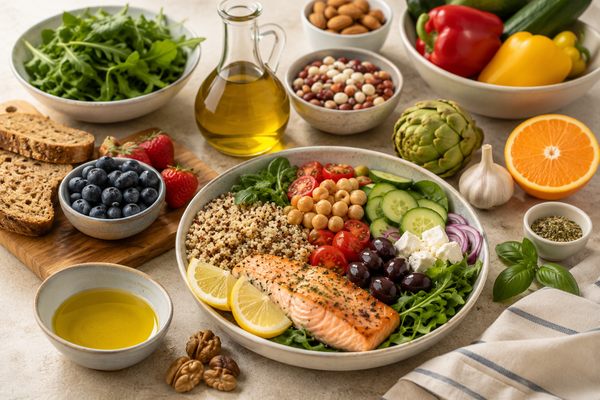
Other studies have examined Mediterranean-style dietary patterns, which emphasize vegetables, fruits, whole grains, legumes, fish, and healthy fats such as olive oil. Higher adherence to these patterns has been associated with improved fertility outcomes and higher pregnancy rates among women undergoing fertility treatment.
While these studies show associations rather than cause and effect, they suggest that overall diet quality may influence reproductive health and ovarian function.
Nutrients That Support Egg Development
Egg cells require a complex environment to mature properly.
During follicle development, the egg relies on supporting cells within the follicle, along with nutrient availability, to support processes such as cellular energy production, DNA stability, and hormone signaling.
Several nutrients that support these biological processes may play a role in reproductive health, including:
• Folate
• Choline
• Iron
• Iodine
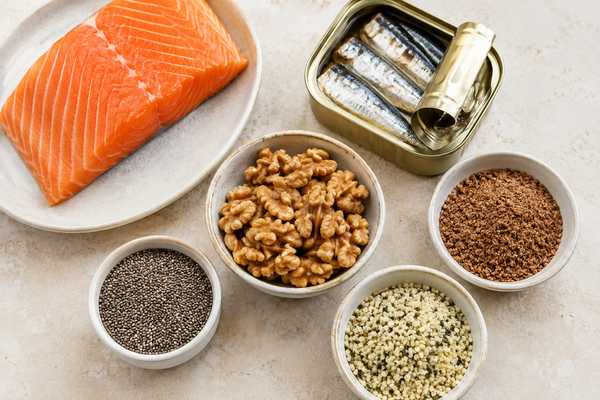
• Omega-3 fatty acids
• Antioxidants such as vitamins C and E
These nutrients contribute to processes such as cell division, hormone regulation, mitochondrial function, and protection from oxidative stress.
Most of these nutrients can be obtained through food. A balanced diet is the preferred way to meet nutrient needs, with supplements used when needed.
Folic acid is an exception, as it is recommended before pregnancy to help reduce the risk of neural tube defects, which can develop very early in pregnancy. This is one reason choosing a prenatal vitamin before trying to conceive can be an important part of preconception care.
For a closer look at these nutrients and their food sources, read Key Nutrients for Fertility: What to Focus on Before Pregnancy.
What Does a Fertility-Supportive Diet Look Like?
Research on fertility nutrition points to similar patterns of eating across studies.
These patterns often include:
• Vegetables and fruits eaten regularly
• Whole grains and legumes
• Fish and sources of healthy fats
• Nuts and seeds
• Fewer highly processed foods and refined carbohydrates
A fertility-supportive day of eating might look like:
Breakfast
Greek yogurt with berries, walnuts, and oats
Lunch
Quinoa bowl with roasted vegetables, chickpeas, olive oil, and feta
Snack
Apple with almond butter
Dinner
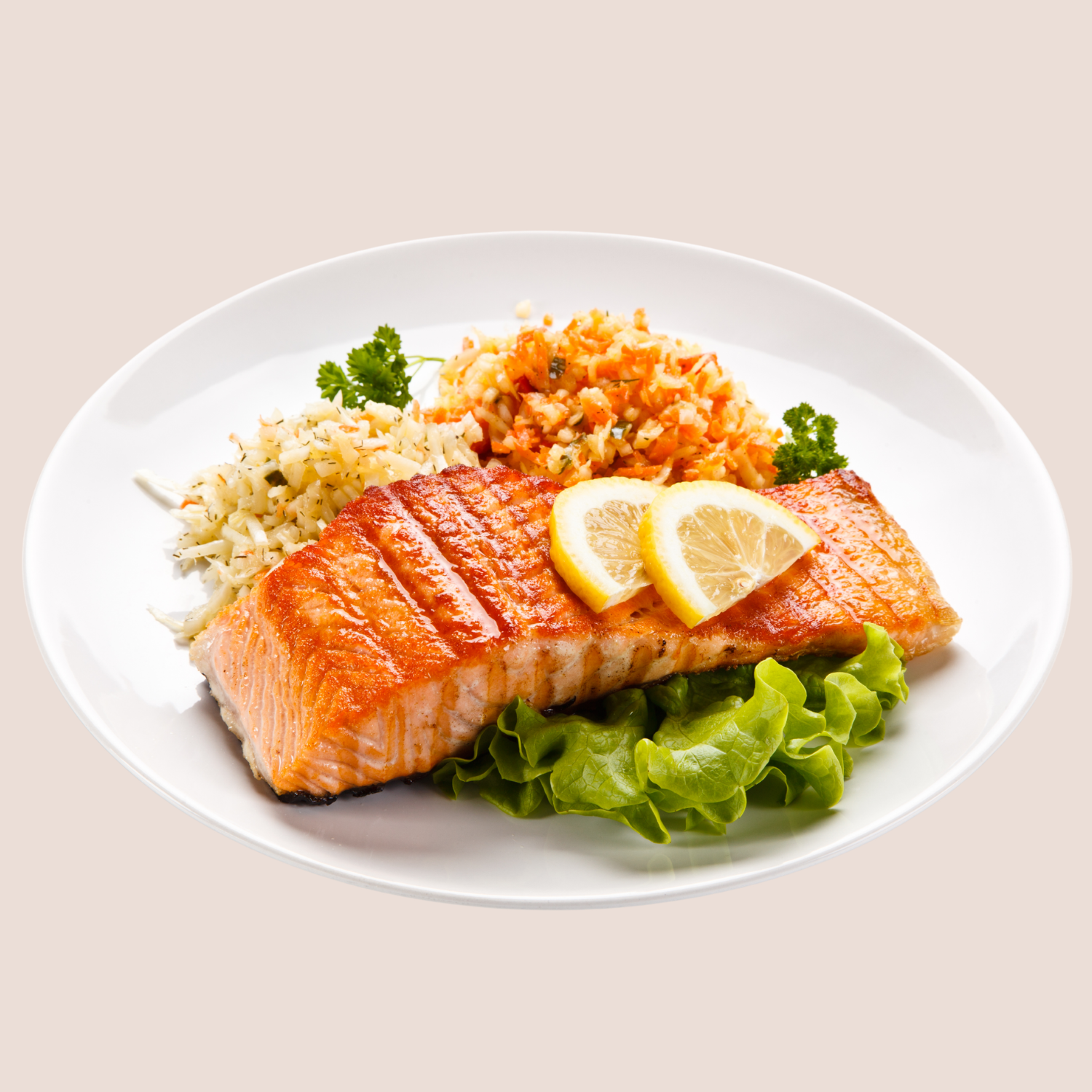
Salmon with sweet potatoes and sautéed greens
Aim for consistency, not perfection. Balanced meals over time can help provide the nutrients needed for reproductive health.
If you're looking for a broader overview of what to eat when trying to conceive, many of the same principles apply.
Lifestyle Factors That Influence Ovarian Function
In addition to nutrition, several lifestyle factors may influence reproductive health and ovulatory function.
Research suggests that ovarian function may be affected by:
• Body weight and metabolic health
• Physical activity and exercise patterns
• Smoking
• Alcohol intake
• Chronic stress
• Sleep patterns
• Environmental exposures
Nutrition and lifestyle habits together shape the broader picture of reproductive health.
Why Egg Development Matters
Ovulation is only one step in the reproductive process. Egg maturation influences fertilization and early embryo development.
Egg development occurs gradually over about three months, making this preconception period an important window to support fertility and reproductive health through nutrition and lifestyle habits.
Related Reading
- What to Eat When Trying to Conceive
- Does Nutrition Affect Ovulation? How Diet Supports Hormones and Fertility
- How to Choose a Prenatal Vitamin When Trying to Conceive
- The Fertility Plate: A Simple Framework for Eating to Support Fertility
Summary
Egg development begins months before ovulation.
During this time, complex biological processes within the ovary support the maturation of the egg and prepare it for fertilization.
Nutrition may influence several of these processes—including hormone regulation, inflammation, oxidative stress, and cellular energy production.
Over time, consistent nutrition and lifestyle habits may help support reproductive health during the months leading up to conception.
Want a Simple Way to Start Eating for Fertility?
Download the free Fertility Plate Starter Guide for a simple, balanced framework you can use to build fertility-supportive meals without tracking, counting, or unnecessary restriction.
References
Chavarro JE et al. Diet and lifestyle in the prevention of ovulatory disorder infertility. Obstetrics & Gynecology. 2007.
Toledo E et al. Mediterranean diet and assisted reproduction outcomes. Human Reproduction. 2011.
Gaskins AJ et al. Dietary patterns and IVF outcomes. Human Reproduction. 2019.
Disclaimer: This article is for general educational purposes and is not a substitute for individualized medical, nutrition, or mental health care. Nutrition needs and fertility care vary based on health history, symptoms, medications, laboratory results, pregnancy status, and treatment plans. Discuss concerns, testing, diagnoses, and any changes to medications, supplements, or treatment with an appropriate healthcare professional.