Trying to Conceive on a Vegetarian or Vegan Diet: Key Nutrients to Know
A vegetarian or vegan diet can support fertility and pregnancy with thoughtful planning. Learn which nutrients may need extra attention before conception.

If you are trying to conceive on a vegetarian or vegan diet, you may be wondering whether your eating pattern can support fertility and pregnancy.
The answer is yes. A vegetarian or vegan eating pattern can support fertility and pregnancy, but it may require more attention to a few key nutrients.
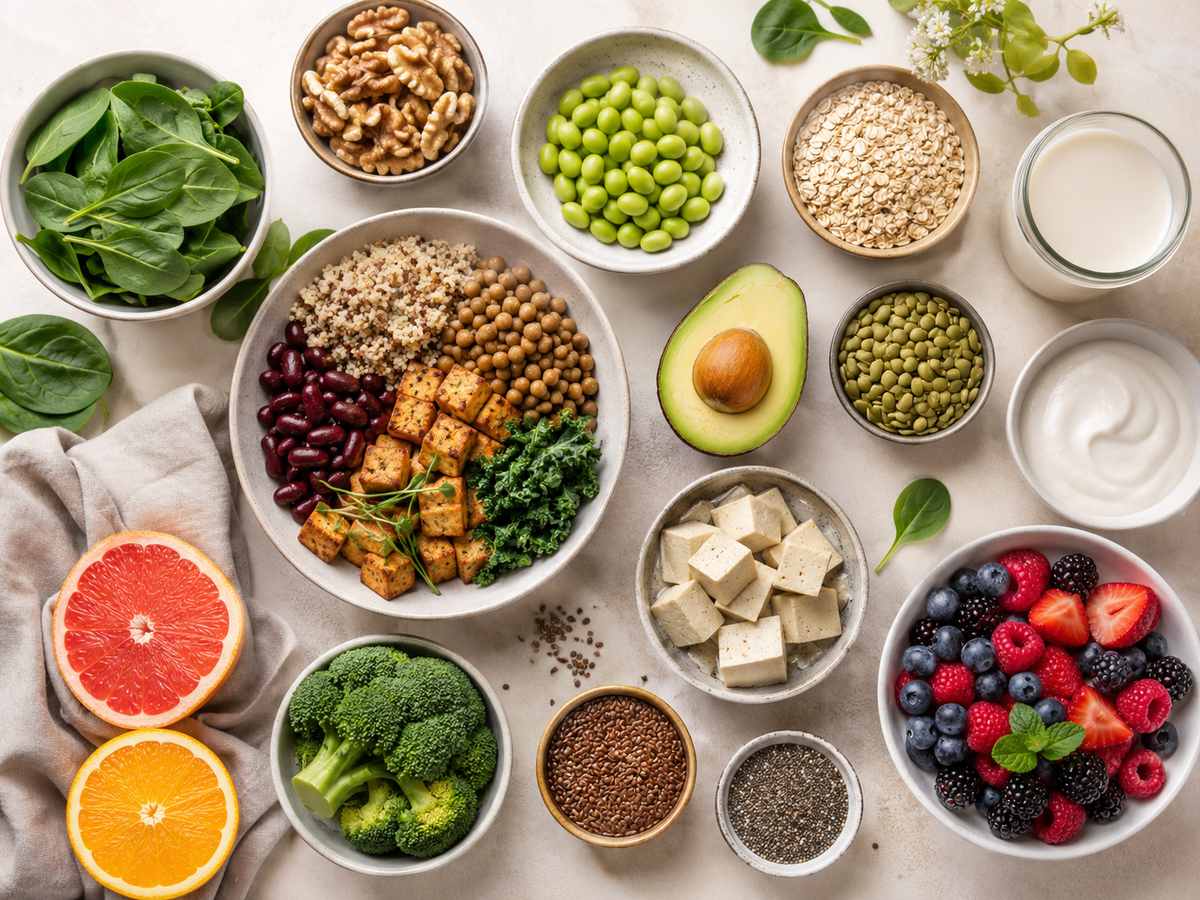
Vegetarian and vegan diets can provide many fertility-supportive foods, including vegetables, fruit, legumes, whole grains, nuts, seeds, soy foods, and healthy fats. These foods can support fiber intake, antioxidant intake, metabolic health, and overall well-being.
At the same time, some nutrients require extra attention before pregnancy, especially if you avoid eggs, dairy, seafood, or all animal-based foods.
The goal is not to make your diet feel complicated. The goal is to understand which nutrients matter most so you can build a balanced, supportive eating pattern before pregnancy.
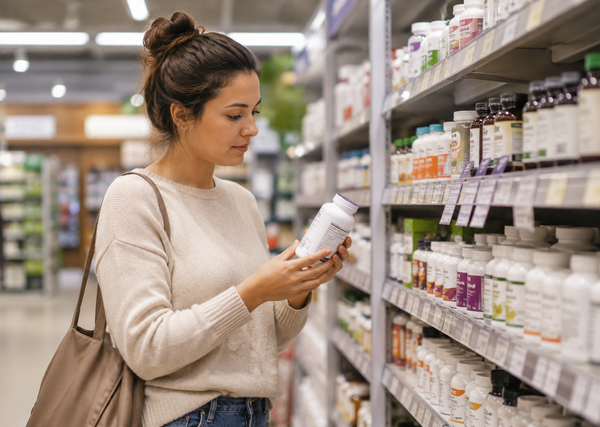
Looking for help choosing a prenatal vitamin?
Download the Prenatal Vitamin Starter Guide to learn which nutrients to look for, how to compare products, and what questions to ask before pregnancy. For a broader overview of what to look for in a prenatal vitamin, read How to Choose a Prenatal Vitamin When Trying to Conceive.
Can a Vegetarian or Vegan Diet Support Fertility?
A vegetarian or vegan diet can support fertility and pregnancy when it is well planned.
The foundation is similar to other fertility-supportive eating patterns: regular meals, enough energy, adequate protein, fiber-rich carbohydrates, colorful fruits and vegetables, and healthy fats.
Where vegetarian and vegan diets may need more attention is nutrient coverage. Some nutrients are easier to get from animal foods, while others may require fortified foods or supplements.
Nutrients that may need extra planning include:
- Protein
- Iron
- Choline
- Vitamin B12
- Omega-3 fats, especially DHA
- Iodine
- Calcium
- Vitamin D
- Zinc
This does not mean a vegetarian or vegan diet is “bad” for fertility. It means planning matters.
Protein Before Pregnancy
Protein supports cell growth, hormone production, blood sugar balance, and overall health.
Vegetarian protein sources include:
- Eggs
- Greek yogurt
- Cottage cheese
- Milk
- Beans and lentils
- Tofu and tempeh
- Edamame
- Nuts and seeds
Vegan protein sources include:
- Beans and lentils
- Tofu and tempeh
- Edamame
- Soy milk
- Seitan
- Nuts and seeds
- Pea protein products
A helpful approach is to include a protein-rich food at each meal and snack when possible.
Iron on a Vegetarian or Vegan Diet
Iron is an important nutrient before and during pregnancy. It supports oxygen transport, energy, cell growth, and pregnancy development.
Plant foods contain non-heme iron, which is absorbed less efficiently than heme iron from animal foods. This does not mean plant-based diets cannot provide iron, but it does mean food pairing can help.
Plant-based iron sources include:
- Beans and lentils
- Tofu and tempeh
- Pumpkin seeds
- Spinach
- Iron-fortified cereals
- Whole grains
Pairing plant-based iron foods with vitamin C-rich foods can help improve absorption.
Examples include:
- Lentil soup with tomatoes
- Tofu stir-fry with bell peppers
- Iron-fortified cereal with strawberries
- Beans with salsa or citrus
To learn more, read Iron Before Pregnancy: Why It Matters for Fertility and Early Pregnancy.
Choline Before Pregnancy
Choline supports fetal brain and nervous system development, cell growth, and placental function.
Choline can be harder to get if you avoid eggs, because eggs are one of the richest and most practical food sources. People who eat eggs may find it easier to meet choline needs, while people following a vegan diet may need more intentional planning.
Vegetarian sources may include:
- Eggs
- Milk
- Yogurt
- Soy foods
- Peanuts
Vegan sources may include:
- Soybeans
- Tofu
- Tempeh
- Edamame
- Peanuts
- Some legumes and whole grains
Many prenatal vitamins contain little or no choline, so it is worth checking your label.
To learn more, read Choline Before Pregnancy: Why It Matters and How to Get Enough.
Vitamin B12
Vitamin B12 is essential for red blood cell formation, nervous system function, and fetal development.
Vitamin B12 is found naturally in animal-based foods. People following a vegan diet need reliable vitamin B12 from fortified foods or supplements.
Vegetarian sources may include:
- Eggs
- Milk
- Yogurt
- Cheese
- Fortified foods
Vegan sources may include:
- Fortified plant milks
- Fortified breakfast cereals
- Fortified nutritional yeast
- Vitamin B12 supplements
Because vitamin B12 is so important before and during pregnancy, vegan diets should include a dependable source.
Omega-3 Fats and DHA
Omega-3 fats are important for overall health and fetal brain and eye development.
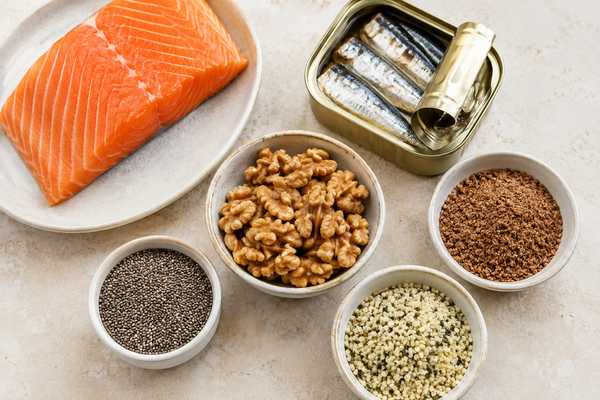
Fish and seafood provide docosahexaenoic acid (DHA) and eicosapentaenoic acid (EPA), the long-chain omega-3 fats most directly used by the body.
Plant foods such as chia seeds, flaxseeds, walnuts, and hemp seeds provide alpha-linolenic acid (ALA), which the body can convert into DHA and EPA in small amounts.
For people who do not eat fish, algae-based DHA supplements may be worth discussing with a healthcare provider.
To learn more, read Omega-3s and Fertility: What to Know Before Pregnancy.
Iodine, Calcium, Vitamin D, and Zinc
Several other nutrients may need attention before pregnancy.
Iodine supports thyroid function, which is important for fertility and pregnancy. Sources may include iodized salt, dairy foods, seafood, eggs, and some prenatal vitamins.
Calcium supports bone health and pregnancy needs. Sources may include dairy foods, fortified plant milks, calcium-set tofu, leafy greens, and fortified foods.
Vitamin D supports bone health, immune function, and overall health. Sources include sunlight exposure, fortified foods, fatty fish, eggs, and supplements when needed.
Zinc supports immune function, cell growth, and reproductive health. Sources include beans, lentils, tofu, nuts, seeds, whole grains, dairy foods, eggs, and seafood.
A prenatal vitamin can help fill some gaps, but prenatal vitamins vary. It is still important to review the label and consider your individual diet.
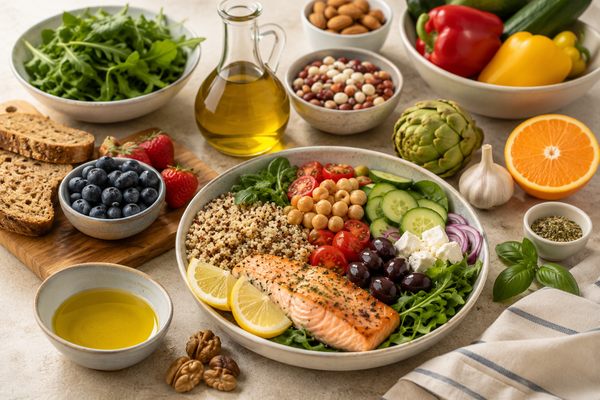
How to Build a Vegetarian or Vegan Fertility Plate
A vegetarian or vegan Fertility Plate can still follow the same basic framework:
- Protein
- Fiber-rich carbohydrates
- Fruits or vegetables
- Healthy fats
Examples include:
- Tofu scramble with avocado, whole grain toast, and fruit
- Lentil bowl with quinoa, roasted vegetables, tahini, and pumpkin seeds
- Greek yogurt with berries, walnuts, and granola
- Bean and vegetable chili with avocado
- Tempeh stir-fry with brown rice and vegetables
- Oatmeal with soy milk, chia seeds, peanut butter, and berries
The goal is not perfection. The goal is to build meals that are satisfying, nourishing, and realistic.
When Supplements May Need More Attention
Supplements may be especially important for people following vegan diets or diets that exclude several food groups.
Nutrients to review may include:
- Vitamin B12
- Iron
- Choline
- Iodine
- Vitamin D
- DHA
- Calcium
- Zinc
This does not mean everyone needs every supplement. The right plan depends on food intake, lab values, medical history, fertility goals, and pregnancy plans.
For an overview of nutrients to prioritize before pregnancy, read Key Nutrients for Fertility: What to Focus on Before Pregnancy.
Key Takeaway
A vegetarian or vegan diet can support fertility and pregnancy when it is well planned.
The most important step is not to make your diet more restrictive. It is to make sure your eating pattern provides enough energy, protein, healthy fats, fiber-rich carbohydrates, and key nutrients before pregnancy.
If you are trying to conceive on a vegetarian or vegan diet, reviewing your meals and prenatal vitamin can help identify nutrients that may need more attention.
Looking for help choosing a prenatal vitamin?
Download the Prenatal Vitamin Starter Guide to learn which nutrients to look for, how to compare products, and what questions to ask before pregnancy.
Disclaimer: This article is for general educational purposes and is not a substitute for individualized medical, nutrition, or mental health care. Nutrition needs and fertility care vary based on health history, symptoms, medications, laboratory results, pregnancy status, and treatment plans. Discuss concerns, testing, diagnoses, and any changes to medications, supplements, or treatment with an appropriate healthcare professional.