Choline Before Pregnancy: Why It Matters and How to Get Enough
Choline is an important nutrient before pregnancy, but many prenatal vitamins contain little or none. Learn why it matters and how to get enough.

Many people know they should take folic acid before pregnancy. Far fewer realize that choline is another important nutrient for pregnancy and early fetal development.
Choline supports fetal brain and nervous system development, cell growth, and placental function. It may not get as much attention as folic acid, but it plays an important role during the earliest stages of pregnancy.
The challenge is that many people do not get enough choline, and many prenatal vitamins contain little or none. Because early development begins before many people know they are pregnant, it can be helpful to think about choline before conception.
For a broader overview of nutrients to prioritize before pregnancy, read Key Nutrients for Fertility: What to Focus on Before Pregnancy.
Looking for help choosing a prenatal vitamin?
Download the Prenatal Vitamin Starter Guide to learn which nutrients to look for, how to compare products, and what questions to ask before pregnancy.
Why Choline Matters Before Pregnancy
Some of the earliest stages of fetal development occur within the first few weeks after conception, often before someone realizes they are pregnant. This is one reason it can be helpful to think about key nutrients before pregnancy.
Choline should not be viewed as a replacement for folic acid. Instead, choline and folate are both important nutrients involved in early development.
What Is Choline?
Choline is an essential nutrient, which means the body needs it but does not make enough on its own. Most choline needs to come from food, and sometimes supplements may be appropriate.
Choline helps support healthy cell membranes, brain and nervous system function, fat transport from the liver, cell growth and development, and methylation, a process involved in gene expression.
How Much Choline Do You Need?
The current Adequate Intake (AI) recommendations for choline are:
| Life Stage | Choline (mg/day) |
|---|---|
| Adult Women | 425 |
| Pregnancy | 450 |
| Lactation | 550 |
Are Most People Getting Enough Choline?
Many people do not meet recommended choline intake levels.
At the same time, many prenatal vitamins contain little or no choline. Because prenatal vitamins vary considerably, it is worth checking the label rather than assuming your prenatal contains a meaningful amount. To learn more about what to look for, read How to Choose a Prenatal Vitamin When Trying to Conceive.
This means it is possible to take a prenatal vitamin every day and still fall short of recommended choline intake.
Best Food Sources of Choline
Choline is found in a variety of foods. Some of the richest dietary sources include:
| Food | Approximate Choline Content |
|---|---|
| Beef liver (3 oz) | 350–420 mg |
| 1 large egg | 150 mg |
| Soybeans (1/2 cup) | 100 mg |
| Lean beef (3 oz) | 80–100 mg |
| Chicken breast (3 oz) | 70–90 mg |
| Salmon (3 oz) | 60–80 mg |
| Milk (1 cup) | 40 mg |
| Yogurt (1 cup) | 30–40 mg |
Why Eggs Matter
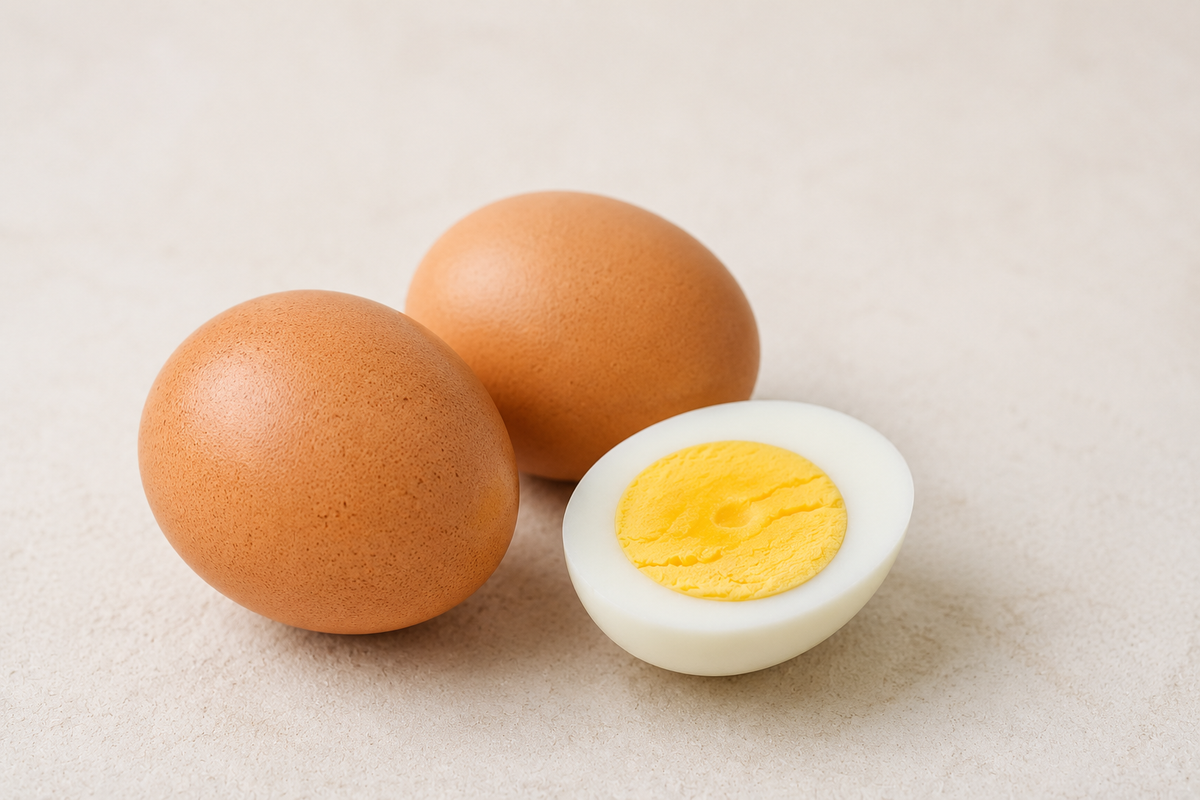
Eggs are one of the richest and most practical sources of choline, which is why they can be especially helpful to include before and during pregnancy. One large egg provides approximately 150 mg of choline.
For someone trying to meet the pregnancy recommendation of 450 mg per day, a single egg can make a meaningful contribution toward daily intake.
This does not mean eggs are the only way to obtain choline. Fish, dairy products, poultry, soy foods, and legumes can also contribute. However, eggs remain one of the simplest and most concentrated dietary sources.
What About Choline Supplements?
For some individuals, meeting choline needs through food alone may be difficult.
This may be particularly true for people who:
- Avoid eggs
- Follow vegetarian or vegan diets
- Have significant food aversions
- Consume limited amounts of animal-based foods
If you are considering a supplement, take a look at your prenatal vitamin label. Many prenatal vitamins contain little or no choline.
The Tolerable Upper Intake Level (UL) for adults is 3,500 mg per day. While this amount is unlikely to be reached through food alone, excessive supplemental intake can cause adverse effects such as fishy body odor, low blood pressure, and liver toxicity.
Before starting a supplement, discuss your individual needs with your healthcare provider or Registered Dietitian.
Simple Ways to Increase Choline Intake
Small dietary changes can meaningfully increase choline intake.
Consider:
- Adding eggs to breakfast several times per week
- Including seafood regularly
- Choosing Greek yogurt as a snack
- Incorporating soy foods such as edamame or tofu
- Including poultry, seafood, or lean meats as part of balanced meals
Key Takeaway
Choline is an often-overlooked nutrient that supports fetal development and healthy cell growth during pregnancy. Because early development begins before many people know they are pregnant, establishing adequate intake before conception may help support nutritional readiness for pregnancy.
Many people do not meet recommended intake levels, and many prenatal vitamins contain little or no choline. Reviewing your diet and prenatal vitamin before pregnancy may help identify opportunities to improve your intake through food, supplements, or both.
Looking for help choosing a prenatal vitamin?
Download the Prenatal Vitamin Starter Guide to learn which nutrients to look for, how to compare products, and what questions to ask before pregnancy.
Disclaimer: This article is for general educational purposes and is not a substitute for individualized medical, nutrition, or mental health care. Nutrition needs and fertility care vary based on health history, symptoms, medications, laboratory results, pregnancy status, and treatment plans. Discuss concerns, testing, diagnoses, and any changes to medications, supplements, or treatment with an appropriate healthcare professional.