Endometriosis and Fertility: Can Nutrition Help?
Endometriosis can affect fertility, but nutrition may help support inflammation regulation, digestion, nutrient status, and reproductive well-being while trying to conceive.

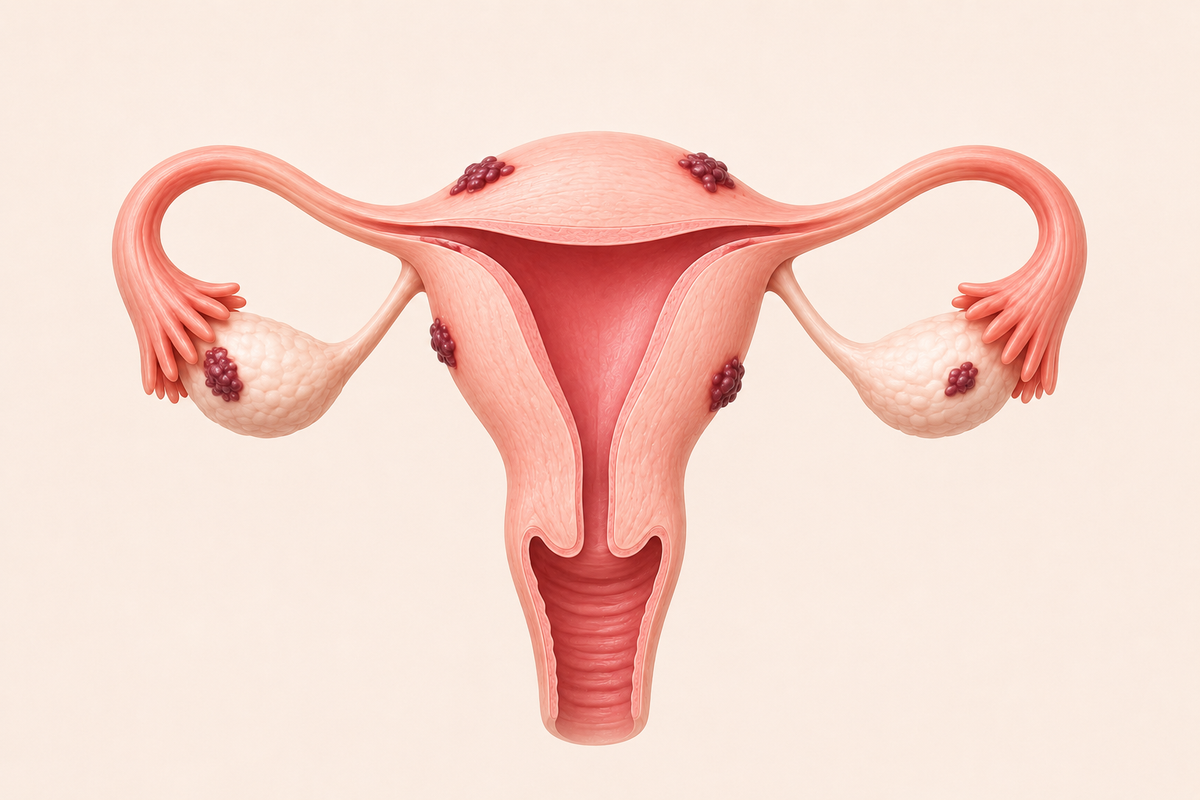
If you have endometriosis and are trying to conceive, you may be wondering whether nutrition can make a difference.
Endometriosis is one of the most common conditions associated with infertility, and nutrition advice for endometriosis can feel especially confusing. Some recommendations suggest eliminating entire food groups, while others promise that supplements or restrictive diets can “fix” inflammation or fertility.
The truth is more practical.
Nutrition cannot eliminate endometriosis lesions or replace medical care. However, nutrition can still play a meaningful role in supporting the body while trying to conceive. A balanced eating pattern may help support inflammation regulation, digestive health, nutrient status, energy levels, and overall reproductive well-being.
The goal is not to follow a perfect endometriosis diet. The goal is to build sustainable habits that support your health and fertility without unnecessary restriction.
Trying to conceive with endometriosis?
Download the free Endometriosis Fertility Starter Guide for a simple overview of how nutrition may support inflammation regulation, digestive health, nutrient status, and fertility preparation.
What Is Endometriosis?
Endometriosis occurs when tissue similar to the lining of the uterus grows outside the uterus. These growths may be found on the ovaries, fallopian tubes, pelvic lining, and other structures within the pelvis.
Common symptoms include:
- Painful periods
- Pelvic pain
- Pain during intercourse
- Pain with bowel movements
- Fatigue
- Difficulty becoming pregnant
Not everyone with endometriosis experiences symptoms, and symptom severity does not always reflect the extent of the condition.
How Does Endometriosis Affect Fertility?
Many people with endometriosis conceive naturally. However, endometriosis can make conception more difficult for some individuals.
Researchers believe several factors may contribute:
- Inflammation within the pelvic environment
- Changes in egg quality
- Scar tissue or adhesions affecting pelvic anatomy
- Changes in implantation and early embryo development
- Alterations in the environment surrounding the egg and sperm
The relationship between endometriosis and fertility is complex. Endometriosis is commonly seen among individuals experiencing infertility, although many people with endometriosis are able to conceive naturally or with fertility treatment.
Where Does Nutrition Fit?
Endometriosis is associated with inflammation, immune changes, oxidative stress, and changes within the pelvic environment. These factors may contribute to symptoms and may also play a role in fertility.
Nutrition cannot treat endometriosis on its own. However, the way you eat can influence several areas that matter when trying to conceive, including nutrient intake, inflammation regulation, digestion, metabolic health, and overall well-being.
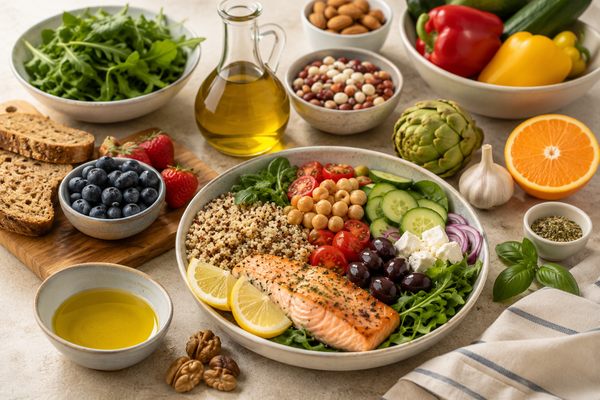
For this reason, nutrition for endometriosis often focuses on a balanced eating pattern that emphasizes vegetables, fruit, whole grains, legumes, fish, seafood, nuts, seeds, and healthy fats.
This does not mean you need to eliminate gluten, dairy, soy, or entire food groups unless there is a clear reason to do so. For most people, the priority is building a nourishing and sustainable pattern that supports the body before and during fertility treatment or conception attempts.
What Does the Research Show?
Research on nutrition and endometriosis is still evolving, especially when it comes to fertility outcomes. No specific diet has been proven to treat endometriosis or guarantee pregnancy.
Still, nutrition may matter because endometriosis is connected to inflammation, immune function, oxidative stress, and the pelvic environment. Several studies suggest that dietary patterns may influence inflammation, symptom burden, and overall reproductive health.
For this reason, fertility nutrition recommendations for endometriosis generally focus on building a balanced, anti-inflammatory-style eating pattern rather than following a highly restrictive “endometriosis diet.”
Focus on an Overall Dietary Pattern
Although no specific "endometriosis diet" has been proven to treat the condition, research often supports eating patterns that emphasize:
- Vegetables
- Fruit
- Whole grains
- Legumes
- Nuts and seeds
- Fish and seafood
- Healthy fats
These foods provide fiber, vitamins, minerals, antioxidants, and healthy fats that support overall health.
Many of these principles overlap with the Fertility Plate and Mediterranean-style eating patterns.
To learn more, see The Fertility Plate: A Simple Framework for Eating to Support Fertility and Can Diet Affect Fertility? What Research Shows.
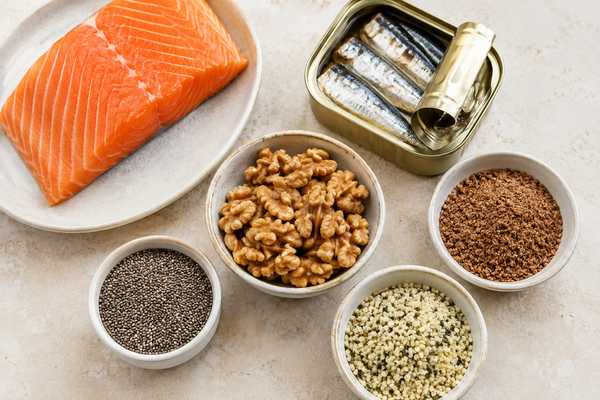
Include Omega-3-Rich Foods
Omega-3 fats may play a role in inflammation regulation and overall health.
Food sources include:
- Salmon
- Sardines
- Trout
- Herring
- Chia seeds
- Flaxseeds
- Walnuts
Including omega-3-rich foods regularly as part of a balanced eating pattern can help support overall nutrient intake.
Learn more about food sources, DHA, and supplements in Omega-3s Before Pregnancy: Why DHA Matters for Fertility and Early Pregnancy.
Prioritize Fiber
Fiber supports digestive health and may help support a healthy gut microbiome.
Good sources include:
- Vegetables
- Fruit
- Beans
- Lentils
- Whole grains
- Nuts and seeds
Many people fall short of recommended fiber intake, making this an area where small dietary changes can have a meaningful impact.
Some individuals with endometriosis also experience digestive symptoms such as bloating, abdominal discomfort, or changes in bowel habits. If these symptoms are affecting your quality of life, individualized nutrition support may be helpful.
Be Cautious With Restrictive Diets
It is common to see recommendations online that encourage eliminating dairy, gluten, soy, or numerous other foods.
Some individuals find that specific dietary modifications help manage symptoms. However, eliminating large groups of foods is not routinely recommended for everyone and may make it more difficult to meet nutritional needs while trying to conceive.
Restrictive diets can increase stress, reduce diet quality, and make it harder to maintain a balanced eating pattern over time.
What About Supplements?
Many supplements are marketed specifically to people with endometriosis.
While some supplements are being studied, evidence remains limited for many products, particularly when it comes to improving fertility outcomes.
Before starting supplements, discuss them with your healthcare team, especially if you are undergoing fertility treatment or taking medications.
To learn more, see Tests and Supplements Before Pregnancy: What You Need to Know.
The Bottom Line
Endometriosis can affect fertility, but many people with endometriosis are able to conceive naturally or with fertility treatment.
Nutrition is not a cure for endometriosis. Still, it can be an important part of fertility preparation. A balanced eating pattern can help support inflammation regulation, digestive health, nutrient status, energy levels, and overall reproductive well-being.
Focus on:
- Vegetables and fruit
- High-fiber carbohydrates
- Omega-3-rich foods
- Adequate protein
- Healthy fats
- Sustainable habits rather than restrictive diets
Small, consistent nutrition habits are often more helpful than pursuing a perfect diet or cutting out long lists of foods.
Fertility Nutrition Is Personal
If you have endometriosis and are trying to conceive, a Registered Dietitian can help you build a nutrition plan that fits your symptoms, fertility goals, medical history, lifestyle, and preferences.
Want a simple place to start with endometriosis and fertility nutrition?
Download the free Endometriosis Fertility Starter Guide for practical guidance on building a balanced, supportive eating pattern without unnecessary restriction.
Disclaimer: This article is for general educational purposes and is not a substitute for individualized medical, nutrition, or mental health care. Nutrition needs and fertility care vary based on health history, symptoms, medications, laboratory results, pregnancy status, and treatment plans. Discuss concerns, testing, diagnoses, and any changes to medications, supplements, or treatment with an appropriate healthcare professional.