Tests and Supplements Before Pregnancy: What You Need to Know
Trying to conceive? Learn about common tests, supplements, and nutrition considerations before pregnancy and how they can support fertility, your health, and the health of your future child.

If you're trying to conceive, you may be wondering whether there are any tests or health checks you should complete before pregnancy.
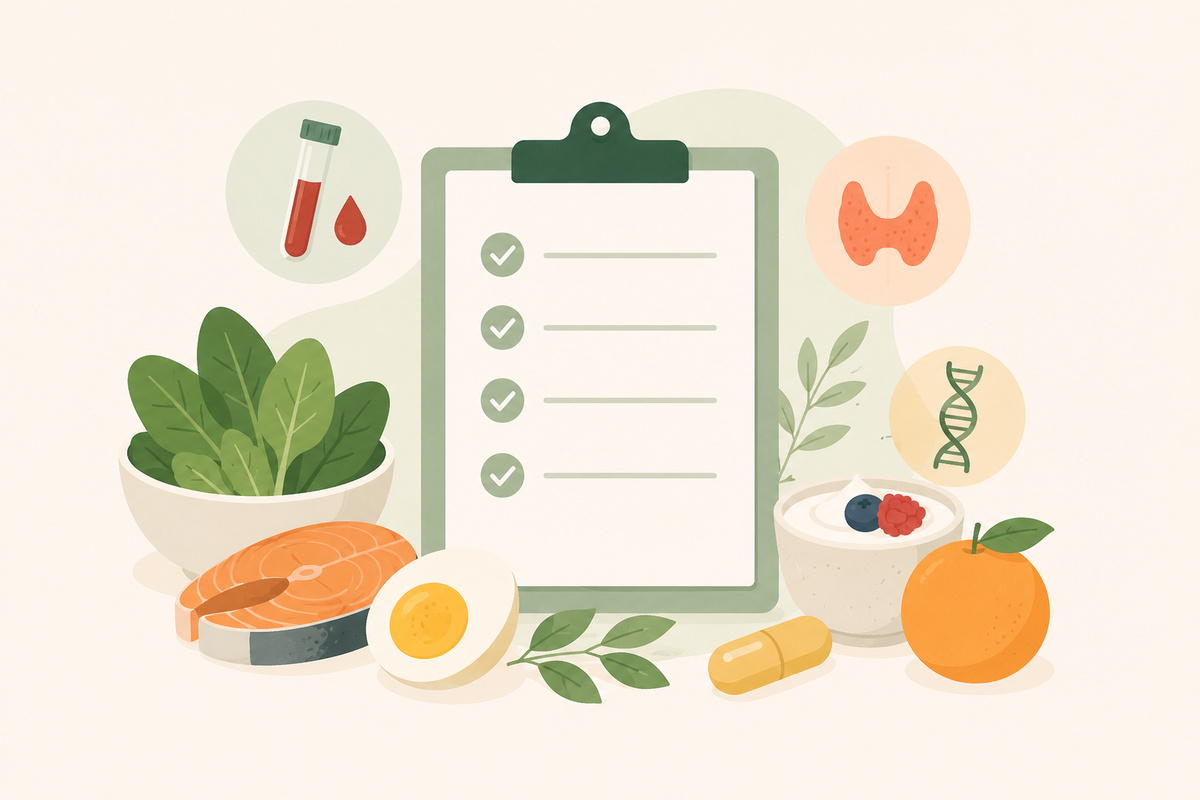
The goal of preconception care is to identify opportunities to support your health before pregnancy and help optimize the health of your future child. Depending on your medical history, age, and risk factors, your healthcare provider may recommend certain blood tests, health assessments, or supplements.
Not everyone needs every test, screening, or supplement. The right approach is individualized and based on your health history, goals, and risk factors.
If you are preparing for pregnancy and wondering where to start with supplements, download the free Prenatal Vitamin Starter Guide for a simple overview of what to look for in a prenatal vitamin.
Start with Folic Acid
One of the most important steps you can take before pregnancy is starting a folic acid supplement.
Folic acid helps prevent neural tube defects, which are serious birth defects affecting the brain and spine that develop very early in pregnancy, often before someone realizes they are pregnant.
Current recommendations advise that anyone planning a pregnancy take 400–800 micrograms (mcg) of folic acid daily, ideally beginning at least one month before conception.
Some individuals may need a higher dose based on medical conditions and medical history.
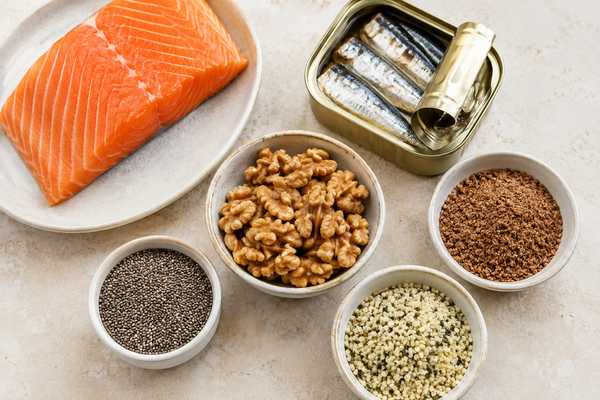
While folic acid is the only nutrient routinely recommended for everyone trying to conceive, other nutrients such as choline, iodine, iron, and DHA may also play important roles in reproductive and pregnancy health.
For a closer look at these nutrients and their food sources, read Key Nutrients for Fertility: What to Focus on Before Pregnancy. You can also learn more about choosing a prenatal vitamin and what to eat when trying to conceive.
These nutrients support fetal development, thyroid function, oxygen transport, cell growth, and other important processes during pregnancy.
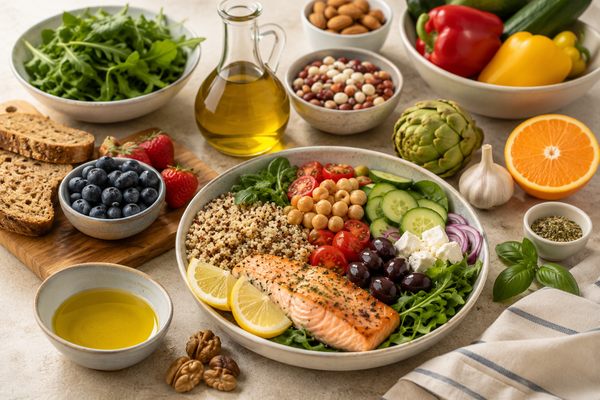
A balanced eating pattern remains the foundation of what to eat when trying to conceive. The Fertility Plate can also be a helpful way to structure meals without tracking, counting, or following a restrictive diet. A fertility-focused Registered Dietitian can help identify areas for optimization before pregnancy.
Thyroid Function
The thyroid plays an important role in reproductive health, menstrual function, and pregnancy.
Routine thyroid testing is not recommended for everyone trying to conceive. However, your healthcare provider may recommend testing if you have risk factors such as:
- Personal or family history of thyroid disease
- Symptoms of thyroid dysfunction
- Type 1 diabetes or another autoimmune condition
- History of infertility or pregnancy loss
Testing often begins with a thyroid-stimulating hormone (TSH) level. Additional testing may include free T4 or thyroid antibodies depending on the results.
If thyroid dysfunction is identified, treatment before pregnancy may improve overall health and support a healthy pregnancy.
Blood Sugar and Metabolic Health
Metabolic health can influence ovulation, hormone balance, fertility, and pregnancy outcomes.
For individuals with diabetes, optimizing blood sugar before pregnancy is important. For those with Polycystic Ovary Syndrome (PCOS), screening for insulin resistance and diabetes may also be recommended.
PCOS is one of the most common causes of irregular ovulation. It is also often linked to metabolic health concerns that can affect fertility, pregnancy, and long-term health.
Because metabolic health is such an important part of PCOS, PCOS is increasingly being discussed through a metabolic lens as PMOS, or Polyendocrine Metabolic Ovarian Syndrome. Learn more in PCOS Is Now PMOS: Why the Name Changed and What It Means for Fertility.
Blood sugar patterns can also play an important role in PCOS and fertility. Learn more in How Blood Sugar Affects PCOS and Fertility.
Potential tests may include:
- Hemoglobin A1C
- Fasting glucose
- Oral glucose tolerance test (OGTT)
Among people with PCOS, the OGTT is generally considered the most sensitive test for identifying abnormal glucose metabolism.
Nutrition, physical activity, sleep, and other lifestyle factors can all influence metabolic health. Identifying concerns before pregnancy may create an opportunity to support ovulation, improve blood sugar management, and reduce pregnancy-related risks through targeted nutrition and lifestyle strategies.
Iron Status
Iron supports oxygen transport, energy production, and fetal development.
A complete blood count (CBC) and ferritin level are commonly used to assess iron status.
Ferritin reflects iron stores and may become low before anemia develops. In some cases, additional iron studies may also be recommended.
If low iron stores are identified, dietary changes, supplements when appropriate, or further medical evaluation may be recommended before pregnancy.
Learn more about food sources, ferritin testing, and supplementation in Iron Before Pregnancy: Why It Matters for Fertility and Early Pregnancy.
Vitamin D
Vitamin D deficiency is common.
Individuals with limited sun exposure, darker skin, certain medical conditions, or low dietary intake may be at increased risk of deficiency.
Routine screening is not recommended for everyone, but a healthcare provider may order a 25-hydroxyvitamin D blood test if deficiency is suspected.
If a deficiency is identified, dietary changes, supplements, and safe sun exposure may help improve vitamin D status.
Reproductive Hormone Testing
Hormone testing is not routinely recommended for everyone trying to conceive.
However, it may be appropriate if you have irregular cycles, absent periods, infertility, or other symptoms that suggest a reproductive hormone imbalance.
Potential tests include:
- Follicle-stimulating hormone (FSH)
- Estradiol
- Progesterone
- Prolactin
- Luteinizing hormone (LH)
- Anti-Müllerian hormone (AMH)
These tests can provide information about ovulation and ovarian function and should be interpreted within the context of a complete fertility evaluation.
Genetic Carrier Screening
Many healthcare providers now discuss genetic carrier screening before pregnancy.
These tests help determine whether you carry genetic changes associated with inherited conditions such as cystic fibrosis, spinal muscular atrophy, or sickle cell disease.
Carrier screening does not affect your health directly, but it can provide useful information for family planning.
What Happens If a Test Is Abnormal?
Many people assume testing is simply about identifying problems.
In reality, the purpose of preconception testing is often to identify opportunities for support.
Depending on the results, next steps may include:
- Dietary changes
- Nutritional supplements
- Further medical evaluation
- Management of an underlying health condition
- Follow-up testing
- Referral to a specialist
- Genetic counseling
Not every abnormal result requires treatment, and not every fertility challenge can be explained by a blood test. However, testing can provide valuable information that helps guide decisions before pregnancy.
Do You Need All of These Tests?
Not necessarily.
The right testing strategy depends on your:
- Medical history
- Family history
- Menstrual cycle patterns
- Previous pregnancies
- Current symptoms
- Personal goals
Preconception testing should be individualized and discussed with your healthcare provider.
Key Takeaway
Preconception care is about more than fertility testing. It is an opportunity to review your health, identify potential concerns, optimize nutrition, and prepare for a healthy pregnancy.
Testing is one tool that can help identify opportunities to support your health before pregnancy. When concerns are identified, nutrition, lifestyle changes, medical treatment, or a combination of approaches may be recommended.
A conversation with your healthcare provider can help determine which tests may be appropriate for your situation, while a fertility-focused Registered Dietitian can help translate relevant nutrition-related findings into practical next steps.
Looking for help choosing a prenatal vitamin?
Download the Prenatal Vitamin Starter Guide to learn which nutrients to look for, how to compare products, and what questions to ask before pregnancy.
Want a Simple Way to Start Eating for Fertility?
Download the free guide, The Fertility Plate Starter Guide, for a simple, balanced framework you can use to build fertility-supportive meals without tracking, counting, or unnecessary restriction.
Disclaimer: This article is for general educational purposes and is not a substitute for individualized medical, nutrition, or mental health care. Nutrition needs and fertility care vary based on health history, symptoms, medications, laboratory results, pregnancy status, and treatment plans. Discuss concerns, testing, diagnoses, and any changes to medications, supplements, or treatment with an appropriate healthcare professional.