How to Choose a Prenatal Vitamin When Trying to Conceive
Confused by all the prenatal vitamin options? Learn which nutrients matter most before pregnancy and how to choose a prenatal vitamin with confidence.


If you're trying to conceive, you've likely been told to start taking a prenatal vitamin.
With hundreds of products on the market, choosing one can feel surprisingly complicated.
The good news is that most people do not need the "perfect" prenatal vitamin. Understanding a few key nutrients can help you compare options and choose a product that supports your needs before pregnancy.
Looking for help choosing a prenatal vitamin?
Download the Prenatal Vitamin Starter Guide to learn which nutrients to look for, how to compare products, and what questions to ask before pregnancy.
Why Start a Prenatal Vitamin Before Pregnancy?
Many people assume prenatal vitamins are only necessary after becoming pregnant. In reality, some of the most important stages of fetal development occur during the first few weeks of pregnancy, often before someone realizes they are pregnant.
Because of this, current recommendations advise starting a prenatal vitamin at least one month before trying to conceive.
Starting several months earlier may also be beneficial, as egg and sperm development occur over weeks to months before conception.
To learn more, read Egg Health and Nutrition, Sperm Health and Nutrition, and Preconception Nutrition: What Matters Before Pregnancy.
Food First, With a Prenatal Vitamin
Prenatal vitamins are designed to supplement a healthy diet, not replace one.
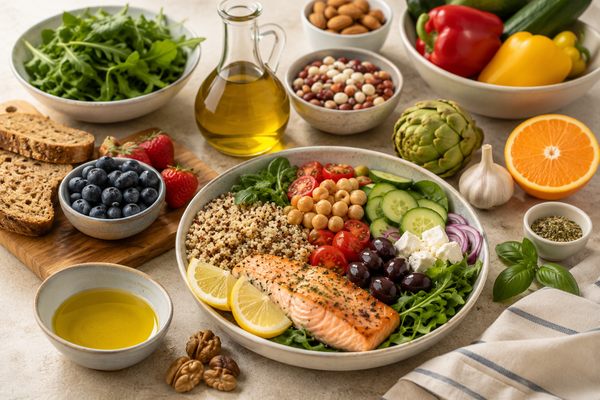
Many nutrients important for fertility and pregnancy are found naturally in food. For example:
- Folate is found naturally in foods such as leafy greens, legumes, citrus fruits, and whole grains. Folic acid is the form found in many supplements and fortified grain products.
- Choline is found in eggs, poultry, fish, and dairy products.
- Iron is found in meat, seafood, beans, lentils, and fortified cereals.
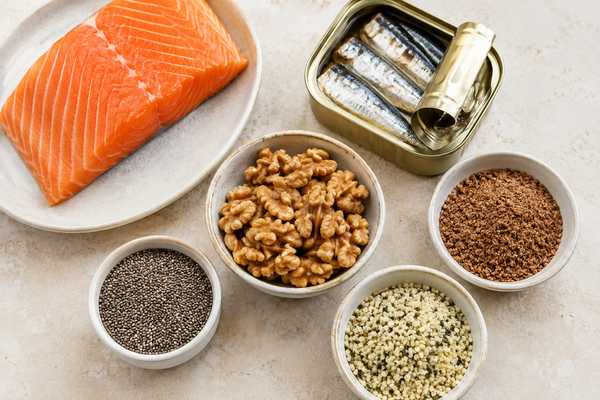
- Omega-3 fats are found in fatty fish such as salmon, sardines, and trout.
- Iodine is found in dairy products, seafood, and iodized salt.
A prenatal vitamin can help fill nutritional gaps, but it cannot provide all the benefits of a balanced eating pattern.
If you're not sure where to begin, start with The Fertility Plate and What to Eat When Trying to Conceive for a practical framework for building fertility-supportive meals.
Can Prenatal Vitamins Improve Fertility?
Prenatal vitamins and preconception supplements are not fertility treatments, and they do not guarantee conception. However, adequate intake of many of the nutrients they contain supports reproductive health in both partners.
Adequate intake of vitamins and minerals helps support:
- Ovulation
- Hormone production
- Egg development
- Sperm development
- The environment for implantation
- Early fetal development
To learn more, read Egg Health and Nutrition and Sperm Health and Nutrition.
Key Nutrients to Look For
Not every prenatal vitamin contains the same ingredients or amounts. While individual needs vary, several nutrients deserve special attention when comparing products.
For a food-first overview of these nutrients, read Key Nutrients for Fertility: What to Focus on Before Pregnancy.
Folic acid
Folic acid is one of the most important nutrients before pregnancy.
Adequate folic acid intake helps prevent neural tube defects, which affect the developing brain and spinal cord very early in pregnancy.
Current recommendations advise at least 400 micrograms (mcg) of folic acid daily before conception and during early pregnancy. Some prenatal vitamins contain higher amounts, and some individuals may require higher doses based on their medical history, medications, or risk factors. Discuss your individual needs with your healthcare provider.
Iodine
Iodine supports thyroid hormone production, which plays an important role in fertility, pregnancy, and fetal brain development.
Many people do not consume enough iodine through food alone, particularly if they avoid dairy products or use specialty salts that are not iodized.
Look for a prenatal vitamin that contains approximately 150 mcg of iodine unless your healthcare provider recommends otherwise.
Choline
Choline supports fetal brain and nervous system development and is one of the nutrients many people struggle to consume in adequate amounts.
Choline is often included in small amounts or omitted entirely from prenatal vitamins. As a result, food sources often remain important even when taking a prenatal vitamin.
Eggs are one of the richest dietary sources of choline.
Learn more about Choline in Choline Before Pregnancy: Why It Matters and How to Get Enough.
Iron
Iron supports oxygen transport throughout the body and helps prepare for the increased blood volume required during pregnancy.
Not everyone needs supplemental iron before conception. Some people already have adequate iron stores, while others may benefit from supplementation based on laboratory results, dietary intake, or medical history.
If you are concerned about iron status, discuss testing and supplementation with your healthcare provider.
Learn more about food sources and iron testing Iron Before Pregnancy: Why It Matters for Fertility and Early Pregnancy.
Vitamin D
Vitamin D supports bone health, immune function, and overall health.
Low vitamin D levels are common, particularly for individuals with limited sun exposure. Some people may require additional supplementation beyond what is provided in a prenatal vitamin.
Docosahexaenoic Acid (DHA)
Docosahexaenoic acid (DHA) is an omega-3 fatty acid that supports fetal brain and eye development.
Some prenatal vitamins include DHA, while others require a separate supplement. Fatty fish such as salmon, sardines, and trout are also excellent dietary sources.
Learn more about DHA, lower-mercury fish, and supplement considerations in Omega-3s Before Pregnancy: Why DHA Matters for Fertility and Early Pregnancy.
What If My Prenatal Doesn't Have Everything?
No prenatal vitamin contains every nutrient in ideal amounts.
For example, many prenatal vitamins contain little or no choline, while others may not provide meaningful amounts of omega-3 fats. This is one reason why nutrition remains important even when taking supplements.
Rather than searching endlessly for the perfect prenatal vitamin, focus on building a balanced eating pattern and discussing individual supplementation needs with a Registered Dietitian who specializes in fertility.
Depending on dietary intake, medical history, laboratory values, fertility goals, and other individual factors, additional nutrients or supplements may sometimes be considered. These may include:
- Choline
- Omega-3 fatty acids
- Vitamin D
- Iron
- Inositol for people with polycystic ovary syndrome (PCOS)
If you have PCOS, read PCOS and Fertility to learn more about nutrition strategies that may support reproductive health.
Are Gummies a Good Choice?
Gummy prenatal vitamins can be easier to take, particularly for individuals who have difficulty swallowing pills.
However, gummy prenatal vitamins often contain fewer nutrients than traditional prenatal vitamins.
Many gummy products do not contain iron, and some provide little or no choline. As a result, additional supplementation or greater attention to food sources may sometimes be needed.
Reading the Supplement Facts panel can help you understand what is and is not included.
More Ingredients Does Not Always Mean Better
Some prenatal vitamins contain long lists of vitamins, minerals, herbs, probiotics, or specialty ingredients.
A longer ingredient list does not necessarily mean a product is superior.
How Do You Know Which Prenatal Vitamin Is Right for You?
The best prenatal vitamin depends on your individual needs.
Factors that may influence your choice include:
- Dietary intake
- Vegetarian or vegan eating patterns
- Iron status
- Medical history
- Previous pregnancies
- Personal preferences
- Supplement tolerance
If you're unsure whether your prenatal vitamin provides the nutrients most relevant to your needs, individualized guidance may be helpful.
Do You Need an Expensive Prenatal Vitamin?
Not necessarily.
Higher-priced prenatal vitamins often include additional ingredients, specialty formulations, or extensive marketing claims. While some products may offer benefits for specific individuals, many affordable prenatal vitamins provide the key nutrients needed before pregnancy.
Instead of focusing on brand names, focus on whether the product contains appropriate amounts of important nutrients and whether you can take it consistently.
The best prenatal vitamin is often the one that meets your needs, fits your budget, and works alongside a balanced eating pattern.
Are Prenatal Vitamins Regulated?
In the United States, dietary supplements, including prenatal vitamins, are not regulated in the same way as prescription or over-the-counter medications.
This means the quality and purity of products can vary between brands. When possible, look for prenatal vitamins that have been independently tested by a third-party organization such as USP, NSF, or ConsumerLab.
Third-party testing does not guarantee that a supplement is right for you, but it can provide additional assurance that the product contains the ingredients listed on the label and meets certain quality standards.
If you're unsure which prenatal vitamin to choose, a Registered Dietitian or healthcare provider can help you evaluate your options.
The Bottom Line
Choosing a prenatal vitamin does not have to be complicated.
Most people should look for a prenatal vitamin that contains folic acid and iodine. Depending on your individual needs, additional nutrients such as choline, iron, vitamin D, or DHA may also be important.
Starting a prenatal vitamin before pregnancy helps ensure key nutrients are available during the earliest stages of fetal development.
No prenatal vitamin contains every nutrient in ideal amounts, which is why food remains an important source of nutrition before pregnancy.
The best prenatal vitamin is not necessarily the most expensive one. It is the one that meets your needs, fits your budget, and can be taken consistently.
Looking for help choosing a prenatal vitamin?
Download the Prenatal Vitamin Starter Guide to learn which nutrients to look for, how to compare products, and what questions to ask before pregnancy.
Want personalized guidance?
If you're unsure which prenatal vitamin is right for you or whether additional supplementation may be appropriate, I offer free 15-minute intro calls for clients in California and New York.
Disclaimer: This article is for general educational purposes and is not a substitute for individualized medical, nutrition, or mental health care. Nutrition needs and fertility care vary based on health history, symptoms, medications, laboratory results, pregnancy status, and treatment plans. Discuss concerns, testing, diagnoses, and any changes to medications, supplements, or treatment with an appropriate healthcare professional.