Preconception Nutrition: What Actually Matters Before Pregnancy
Trying to conceive? Learn what actually matters during the preconception period, including balanced meals, prenatal vitamins, sleep, movement, and fertility preparation—without the overwhelm.


If you're trying to conceive, you've probably come across plenty of advice about what you should be eating, avoiding, or supplementing before pregnancy.
The months before conception are known as the preconception period. During this time, egg and sperm cells are developing, and the body is preparing for pregnancy.
Rather than focusing on perfection, it's more helpful to focus on the habits most likely to support reproductive health.
Want a Simple Way to Start Eating for Fertility?
Download the free Fertility Plate Starter Guide for a simple, balanced framework you can use to build fertility-supportive meals without tracking, counting, or unnecessary restriction.
Why the Preconception Period Matters
Both egg and sperm development happen over time.
The follicle containing the egg develops over approximately three months before ovulation. Sperm also take approximately 70–90 days to mature.
Because of this, nutrition and lifestyle habits before pregnancy may support reproductive health long before conception occurs.
To learn more about how nutrition may influence reproductive health during this period, see Egg Health and Nutrition and Sperm Health and Nutrition.
What Preconception Nutrition Is Not
A preconception diet does not need to be a rigid fertility meal plan. It should be a realistic way of eating that supports reproductive health before pregnancy.
You do not need:
- A perfect diet
- A rigid elimination plan
- Expensive "fertility" foods
- A large collection of supplements
- To carry the responsibility alone
Preparing for pregnancy should feel like support, not a pass-or-fail exam.
What Actually Matters Before Pregnancy
Rather than focusing on individual foods or restrictive diets, start with the foundations.
Build Balanced Meals
One of the simplest ways to support overall health during the preconception period is by building balanced meals.
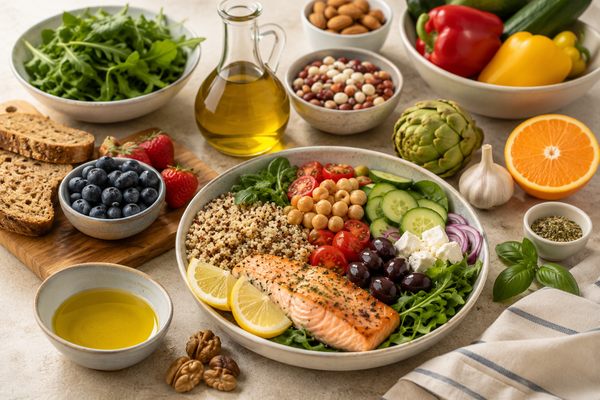
The Fertility Plate provides a practical framework:
- Half the plate vegetables and fruit
- One quarter protein foods
- One quarter high-fiber carbohydrates
- Healthy fats throughout the meal
Balanced meals help provide nutrients that support overall health, energy levels, blood sugar support, and metabolic health.
To learn more, read The Fertility Plate: A Simple Framework for Eating to Support Fertility, What to Eat When Trying to Conceive, and Meal Planning for Fertility: How to Stock Your Kitchen.
Focus on Nutrient-Dense Foods
No single food can improve fertility on its own.
Instead, focus on a variety of nutrient-dense foods, including:
- Vegetables and fruit
- Whole grains
- Legumes
- Nuts and seeds
- Fish and seafood
- Dairy foods or fortified alternatives
- Lean protein foods
These foods provide vitamins, minerals, fiber, antioxidants, and healthy fats that support overall health.
A consistent eating pattern is often more important than trying to identify individual "fertility foods."
Supplement Thoughtfully
Some nutrients deserve special attention before pregnancy.
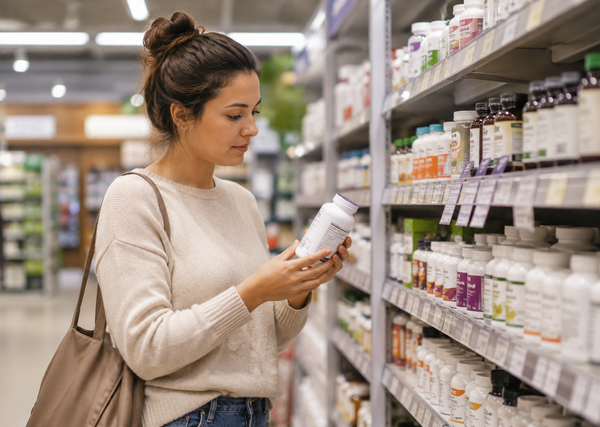
Most people trying to conceive are advised to take a prenatal vitamin or supplement containing 400–800 mcg of folic acid before pregnancy.
However, nutrient needs are not the same for everyone. Factors such as dietary intake, medical history, medications, laboratory values, fertility diagnoses, and previous pregnancy history can all influence which nutrients and how much of them may be appropriate.
To learn more about when testing or additional supplementation may be helpful, read Tests and Supplements Before Pregnancy: What You Need to Know.
For example, some individuals may benefit from higher amounts of folic acid, while others may need additional attention to nutrients such as iron, vitamin D, iodine, choline, or DHA.
For a closer look at these nutrients and their food sources, read Key Nutrients for Fertility: What to Focus on Before Pregnancy.
If you're unsure which supplements are right for you, consider speaking with your healthcare provider or a Registered Dietitian specializing in fertility nutrition.
Food should remain the foundation. Supplements are intended to supplement, not replace, a nutritious eating pattern.
To learn more, read How to Choose a Prenatal Vitamin When Trying to Conceive. For a simple checklist-style starting point, download the free Prenatal Vitamin Starter Guide.
Include Healthy Fats
Healthy fats play an important role in overall health and reproductive function.
Examples include:
- Olive oil
- Avocados
- Nuts and seeds
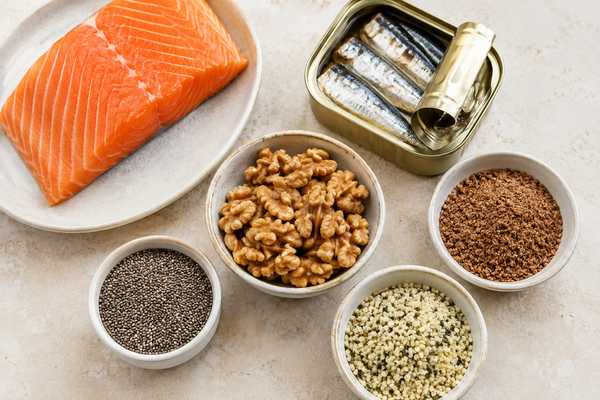
- Fatty fish such as salmon, trout, and sardines
These foods also contribute important nutrients, including omega-3 fatty acids.
Learn more about food sources, DHA, and supplement considerations in Omega-3s Before Pregnancy: Why DHA Matters for Fertility and Early Pregnancy.
Support Your Health Beyond Nutrition
Nutrition is one piece of the preconception picture.
Other habits that support overall health include:
Regular Movement
Physical activity supports cardiovascular health, metabolic health, and overall well-being. Regular movement is also associated with improved fertility and can be an important part of preconception health.
The goal does not need to be intense exercise. In some situations, excessive exercise combined with inadequate energy intake can disrupt ovulation. Consistency and balance matter more than intensity.
Adequate Sleep
Sleep plays an important role in recovery, hormone regulation, and overall health. Research continues to explore the relationship between sleep and fertility outcomes, but disrupted sleep patterns have been associated with menstrual irregularities and changes in reproductive hormones.
Many people focus heavily on nutrition while overlooking sleep. Both deserve attention.
What About Caffeine and Alcohol?
Questions about caffeine and alcohol often come up during the preconception period.
Many people assume they need to give up coffee while trying to conceive. Current guidance commonly uses 200 mg of caffeine per day as a moderate intake level during pregnancy, which is about the amount in one 12-ounce cup of coffee. If you are trying to conceive, it can be helpful to pay attention to total caffeine from coffee, tea, chocolate, energy drinks, and soft drinks.
Alcohol is different. Because there is no known safe amount during pregnancy and pregnancy may occur before someone realizes they are pregnant, reducing or avoiding alcohol while trying to conceive is generally recommended.
If you have questions about how caffeine or alcohol fit into your individual situation, discuss them with your healthcare provider.
Both Partners Matter
Fertility preparation is often framed as something women should do alone.
In reality, sperm contribute half of the genetic material involved in conception.
Because sperm take approximately 70–90 days to develop, nutrition and lifestyle habits during this time matter for men as well.
When possible, approaching preconception health as a shared effort can help reduce pressure and create supportive habits for both partners.
To learn more, read Sperm Health and Nutrition.
Preconception Nutrition Without the Pressure
The fertility journey can already feel vulnerable.
Online conversations sometimes add unnecessary anxiety by suggesting that pregnancy outcomes depend on doing everything perfectly.
Nutrition is one of the factors you can support during the preconception period.
While no single food, supplement, or habit can guarantee pregnancy, consistent nutrition and lifestyle habits can help create a strong foundation for reproductive health.
The preconception period does not require a perfect diet, a long list of supplements, or constant second-guessing.
Focus on the fundamentals first. For most people, that's where the greatest opportunity lies.
What This Means for You
If you're in the preconception phase, start with the fundamentals:
- Balanced meals
- A prenatal vitamin containing folic acid
- Regular movement
- Adequate sleep
- Consistent habits you can maintain
Want a Simple Way to Start Eating for Fertility?
Download the free Fertility Plate Starter Guide for a simple, balanced framework you can use to build fertility-supportive meals without tracking, counting, or unnecessary restriction.
Disclaimer: This article is for general educational purposes and is not a substitute for individualized medical, nutrition, or mental health care. Nutrition needs and fertility care vary based on health history, symptoms, medications, laboratory results, pregnancy status, and treatment plans. Discuss concerns, testing, diagnoses, and any changes to medications, supplements, or treatment with an appropriate healthcare professional.