What to Eat When Trying to Conceive
Trying to conceive? Learn how overall diet quality, balanced meals, and The Fertility Plate can support reproductive health without unnecessary restriction.


Many people trying to conceive wonder whether nutrition can affect fertility. The foods we eat may influence several biological processes involved in reproduction, including ovulation, egg and sperm development, hormone regulation, and early embryo development.
You can explore these topics in more detail in Does Nutrition Affect Ovulation?, Egg Health and Nutrition, and Sperm Health and Nutrition.
What Research Shows
Research suggests that overall dietary patterns may influence fertility and reproductive health.
One of the most well-known studies examining nutrition and fertility is the Nurses' Health Study II, which followed nearly 18,000 women trying to become pregnant. Researchers identified a dietary pattern associated with a lower risk of ovulatory infertility.[1]
Researchers also found that fertility outcomes were associated with a combination of factors, including diet quality, weight-related factors, and physical activity.
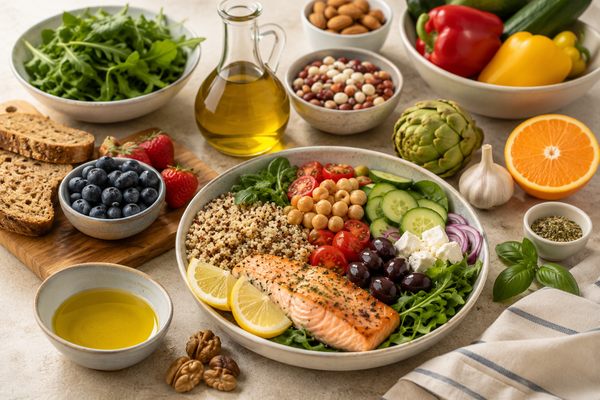
Other studies have examined Mediterranean-style dietary patterns, which emphasize vegetables, fruits, legumes, whole grains, fish, and healthy fats such as olive oil. In some studies, greater adherence to this pattern has been associated with improved fertility outcomes, including higher pregnancy rates among individuals undergoing fertility treatment.
While no single dietary pattern guarantees pregnancy, these findings suggest that overall diet quality may play an important role in reproductive health.
Want a Simple Way to Start Eating for Fertility?
Download the free guide, The Fertility Plate Starter Guide, for a simple, balanced framework you can use to build fertility-supportive meals without tracking, counting, or unnecessary restriction.
Why Nutrition Matters Before Conception
Because the egg and sperm take weeks to months to develop, nutrition and lifestyle habits may influence reproductive health long before conception occurs.
What Does a Fertility-Supportive Diet Look Like?
Researchers often study overall dietary patterns because nutrients and foods work together in the body to influence metabolism, hormones, inflammation, and cellular health. Research in fertility nutrition consistently points to similar patterns of eating that may support fertility and reproductive health.
These patterns tend to include:
- Vegetables and fruits eaten regularly
- Whole grains and legumes
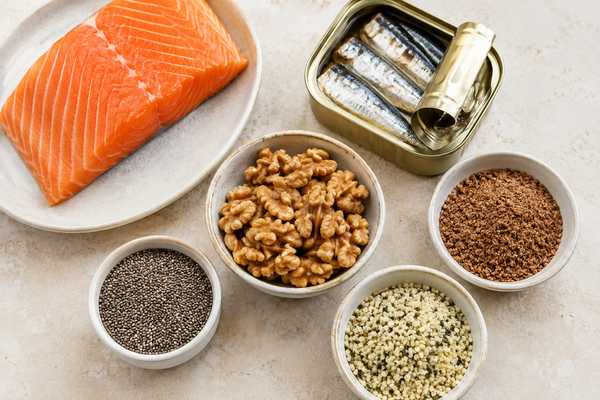
- Fish and sources of healthy fats
- Foods rich in vitamins and minerals
- Fewer highly processed foods and refined carbohydrates
Rather than focusing on individual foods, the strongest evidence supports building consistent eating habits that help provide the nutrients needed to support reproductive health and overall well-being.
For a closer look at nutrient priorities and food sources, read Key Nutrients for Fertility: What to Focus on Before Pregnancy.
One simple framework is The Fertility Plate, which emphasizes:
- Half the plate vegetables and fruit
- One quarter protein-rich foods
- One quarter high-fiber carbohydrates
- Healthy fats included throughout the meal
This approach helps provide the nutrients needed to support reproductive health while also supporting energy levels, blood sugar management, and overall health.
This framework can be adapted to different fertility-related conditions, dietary preferences, and stages of the fertility journey.
Learn more in The Fertility Plate.
How Diet Influences Fertility
Nutrition may influence several biological systems involved in reproduction.
Diet patterns may influence:
• hormone and metabolic regulation
• oxidative stress affecting egg and sperm health
• inflammation in reproductive tissues
• the gut microbiome and reproductive tract environment
• cellular energy production needed for egg maturation
• micronutrients required for fertility and early embryo development
Learn more about these topics in Egg Health and Nutrition, Sperm Health and Nutrition, PMOS and Fertility, Endometriosis and Fertility, and Fertility Treatment and Nutrition.
Related Reading
- The Fertility Plate: A Simple Framework for Eating to Support Fertility
- Egg Health and Nutrition
- Sperm Health and Nutrition
- Does Nutrition Affect Ovulation? How Diet Supports Hormones and Fertility
- How to Choose a Prenatal Vitamin When Trying to Conceive
Summary
Nutrition is not the only factor that influences fertility, but research suggests it plays an important role in reproductive health.
Rather than focusing on individual foods, the strongest evidence supports building consistent eating habits that provide the nutrients needed to support hormone regulation, ovulation, egg development, sperm development, and overall health.
Want a Simple Way to Start Eating for Fertility?
Download the free guide, The Fertility Plate Starter Guide, for a simple, balanced framework you can use to build fertility-supportive meals without tracking, counting, or unnecessary restriction.
References
Chavarro JE et al. Diet and lifestyle in the prevention of ovulatory disorder infertility. Obstetrics & Gynecology. 2007.
Toledo E et al. Mediterranean diet and assisted reproduction outcomes. Human Reproduction. 2011.
Gaskins AJ et al. Dietary patterns and IVF outcomes. Human Reproduction. 2019.
Disclaimer: This article is for general educational purposes and is not a substitute for individualized medical, nutrition, or mental health care. Nutrition needs and fertility care vary based on health history, symptoms, medications, laboratory results, pregnancy status, and treatment plans. Discuss concerns, testing, diagnoses, and any changes to medications, supplements, or treatment with an appropriate healthcare professional.