Male Fertility Diet: What to Eat for Sperm Health
Sperm development takes about three months. Learn how nutrition, overall eating patterns, and lifestyle habits may support sperm health and male fertility.

Fertility discussions often focus on the female partner, but male reproductive health also plays an important role in fertility. Male factors are involved in approximately half of infertility cases.
Sperm count, movement, shape, and other aspects of sperm health can influence fertilization and early embryo development. Sperm develop over several months, making the time before conception a meaningful opportunity to support nutrition and lifestyle
Want a Simple Way to Start Eating for Fertility?
Download the free Fertility Plate Starter Guide for a simple, balanced framework you can use to build fertility-supportive meals without tracking, counting, or unnecessary restriction.
How Long Does Sperm Development Take?
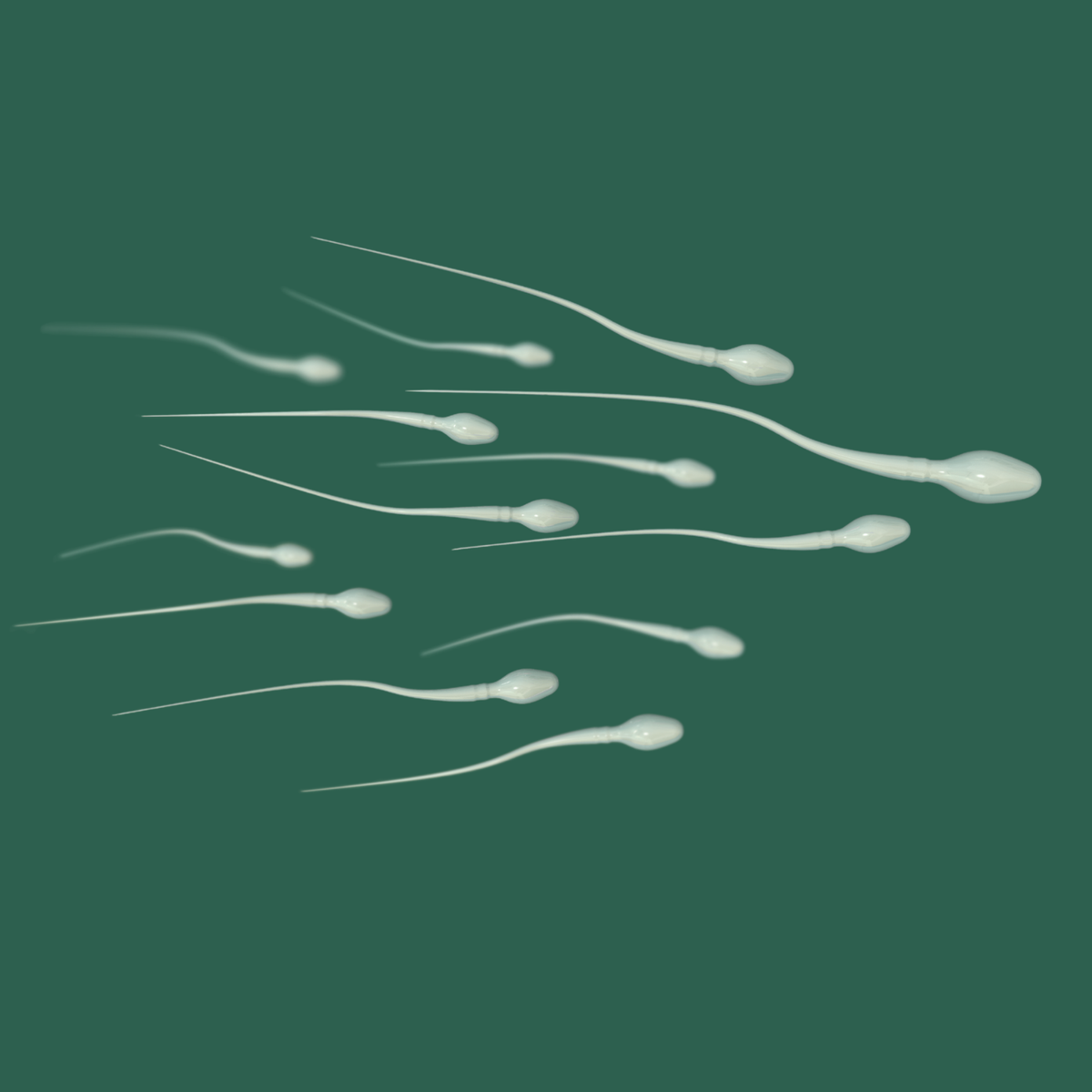
Sperm production occurs through a process called spermatogenesis. From early development to mature sperm capable of fertilization, the process takes approximately 70–90 days.
This means that nutrition and lifestyle habits during the two to three months before conception may influence the environment in which sperm develop.
Changes do not need to be perfect. Focus on habits that can be practiced consistently over time.
What Does a Semen Analysis Measure?
A semen analysis may assess:
- Semen volume: The amount of semen produced
- Sperm count and concentration: The total number of sperm and the number present in a specific volume of semen
- Sperm motility: How many sperm move and how well they move forward
- Sperm morphology: The shape and structure of sperm
- Sperm vitality: How many sperm are alive
Other tests may be considered in certain situations. A semen analysis cannot explain every cause of infertility, but it is an important part of the initial male fertility evaluation.
What Does the Research Show About Diet and Sperm Health?
Research on male fertility nutrition generally focuses on overall eating patterns rather than individual foods.
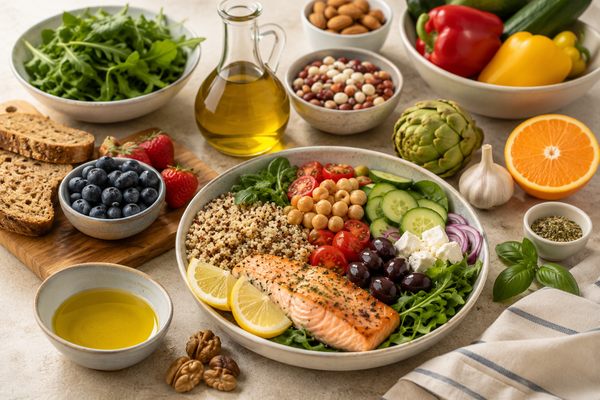
Eating patterns that include vegetables, fruit, whole grains, beans, fish, nuts, seeds, and unsaturated fats have been associated with more favorable semen measures in some studies.
Most of the available evidence is observational, meaning it identifies associations but cannot prove that a particular diet improves fertility. Some small clinical trials have also reported improvements in semen measures with Mediterranean-style eating, although more research is needed to understand whether these changes improve pregnancy or live birth rates.
The practical takeaway is to build a varied, balanced eating pattern rather than searching for individual fertility foods.
Related: Mediterranean Diet and Fertility: What the Research Suggests
What Should You Eat for Sperm Health?
Vegetables and Fruit
Vegetables and fruit provide vitamins, minerals, fiber, and antioxidant compounds that support cellular and overall health.
Aim for variety rather than focusing on one fertility superfood. Fresh, frozen, and canned options can all contribute.
Practical ways to include more:
- Add fruit or berries to breakfast
- Include vegetables with lunch and dinner
- Keep washed fruit available for snacks
- Add frozen vegetables to pasta, soup, rice dishes, or stir-fries
Fish and Seafood
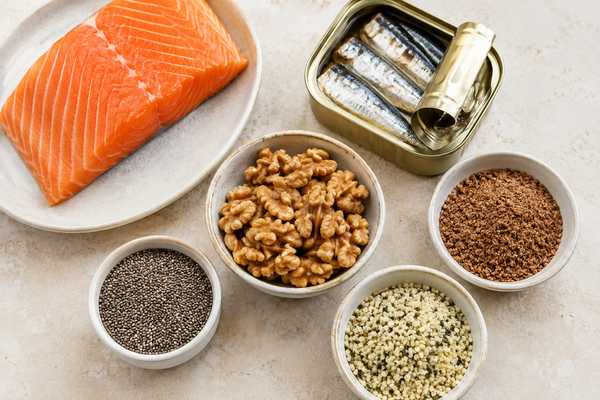
Fish provides protein and nutrients such as omega-3 fatty acids, selenium, and vitamin B12. Omega-3 fats are involved in cell membrane structure, including sperm cell membranes.
Salmon, trout, sardines, and herring provide docosahexaenoic acid, or DHA, and eicosapentaenoic acid, or EPA. Shrimp, cod, pollock, and tilapia are additional lower-mercury choices, although they generally contain less DHA than fatty fish.
Related: Omega-3s Before Pregnancy: Why DHA Matters for Fertility and Early Pregnancy
Nuts and Seeds
Nuts and seeds provide unsaturated fats, fiber, minerals, and antioxidant compounds.
Include a variety such as:
- Walnuts
- Almonds
- Pistachios
- Pumpkin seeds
- Chia seeds
- Ground flaxseed
Walnuts have received particular attention in male fertility research, but they do not need to be treated as a fertility prescription.
Beans, Lentils, and Whole Grains
Beans, lentils, oats, quinoa, brown rice, and whole-grain breads provide fiber, plant protein, folate, and other nutrients.
These foods can also support cardiovascular and metabolic health, which is closely connected with overall reproductive health.
A Variety of Protein Foods
Include different protein sources throughout the week, such as:
- Fish and seafood
- Eggs
- Poultry
- Lean meat
- Dairy foods
- Tofu and tempeh
- Beans and lentils
The goal is not to maximize protein. Include enough protein as part of balanced meals while leaving room for vegetables, fruit, high-fiber carbohydrates, and healthy fats.
A Practical Plate for Male Fertility
Use The Fertility Plate as a flexible guide:
- Fill about half your plate with vegetables or fruit
- Include a protein food
- Add a high-fiber carbohydrate
- Include a source of unsaturated fat
Meals do not need to match this perfectly.
Examples include:
- Eggs, whole-grain toast, avocado, and fruit
- A grain bowl with salmon, brown rice, vegetables, and olive oil dressing
- Lentil soup with whole-grain bread and a side salad
- Chicken or tofu stir-fry with vegetables and rice
- Greek yogurt with berries, oats, and walnuts
Many of the same nutrition principles recommended for female fertility apply to male fertility.
Related: What to Eat When Trying to Conceive
Prioritize Whole and Minimally Processed Foods
You do not need to eliminate individual foods to support sperm health. Instead, build most meals around whole and minimally processed foods such as vegetables, fruit, whole grains, beans, fish, eggs, nuts, seeds, and other protein-rich foods.
Observational studies have associated eating patterns high in processed meats, sugary drinks, refined carbohydrates, and saturated or trans fats with less favorable semen measures.
Focus on including nutrient-rich foods more often while leaving room for flexibility.
Where Supplements May Fit
Male fertility supplements may include antioxidants, vitamins, minerals, CoQ10, carnitine, or other ingredients. Some studies have reported improvements in individual semen measures, particularly with certain supplements. However, it remains unclear whether these changes consistently improve pregnancy or live birth rates.
Current guidance from the American Urological Association and American Society for Reproductive Medicine notes that the clinical benefits of antioxidant and vitamin supplements for male infertility remain uncertain.
Supplements may still be considered based on individual needs, laboratory results, semen-analysis findings, and recommendations from a healthcare professional.
Related: Fertility Supplements: What Should You Take When Trying to Conceive?
What Other Habits May Affect Sperm Health?
Nutrition is one part of male reproductive health. Other factors may include:
- Smoking and nicotine use
- Alcohol and other substance use
- Frequent heat exposure, such as hot tubs
- Sleep
- Physical activity
- Metabolic health
- Medications
- Testosterone use
- Environmental or workplace exposures
Testosterone therapy can suppress sperm production. Anyone using testosterone or other hormone products while trying to conceive should discuss this with an appropriate healthcare professional. Do not stop a prescribed medication without medical guidance.
When Is a Semen Analysis Helpful?
Consider discussing a fertility evaluation with a healthcare professional if pregnancy has not occurred after:
- 12 months of regular unprotected intercourse
- 6 months when the female partner is 35 or older
Earlier evaluation may be appropriate when there are known risk factors, sexual-function concerns, previous testicular injury or surgery, medication concerns, or an abnormal previous semen analysis.
The Bottom Line
A male fertility diet is not a special or restrictive plan.
Focus on:
- Vegetables and fruit
- Whole grains and legumes
- Fish and seafood
- Nuts and seeds
- Varied protein foods
- Olive oil and other unsaturated fats
Sperm develop over approximately 70–90 days. Consistent nutrition and lifestyle habits during this time can support overall and reproductive health, although they cannot address every cause of male infertility.
Want a Simple Way to Build Balanced Meals?
Download the free Fertility Plate Starter Guide for a practical meal-building guide you can use without tracking, counting, or unnecessary restriction.
This article is for general educational purposes and is not a substitute for individualized medical, nutrition, or mental health care. Nutrition needs and fertility care vary based on health history, symptoms, medications, laboratory results, pregnancy status, and treatment plans. Discuss concerns, testing, diagnoses, and changes to medications, supplements, or treatment with an appropriate healthcare professional.
References
- American Urological Association and American Society for Reproductive Medicine. Diagnosis and Treatment of Infertility in Men.
- Cao LL, et al. The effect of healthy dietary patterns on male semen quality: a systematic review and meta-analysis.
- Salas-Huetos A, et al. Dietary patterns, foods and nutrients in male fertility parameters and fecundability.
- American Society for Reproductive Medicine. Optimizing Natural Fertility: A Committee Opinion.