Trying to Conceive? Start Here: A Fertility Nutrition Roadmap
Trying to conceive? Learn about fertility-supportive dietary patterns, key nutrients, and practical nutrition tips for reproductive health.

When you’re trying to conceive, it is natural to wonder whether specific foods can improve fertility. While there is no single “fertility food” that guarantees pregnancy, overall dietary patterns can influence reproductive health, including ovulation, egg development, sperm development, and metabolic health.
Fertility nutrition can be a meaningful place to start because everyday eating patterns provide nutrients involved in ovulation, egg development, sperm development, hormone production, and early pregnancy preparation. For most people, the goal is not a strict or unnecessarily restrictive diet, but balanced habits that support reproductive health over time.
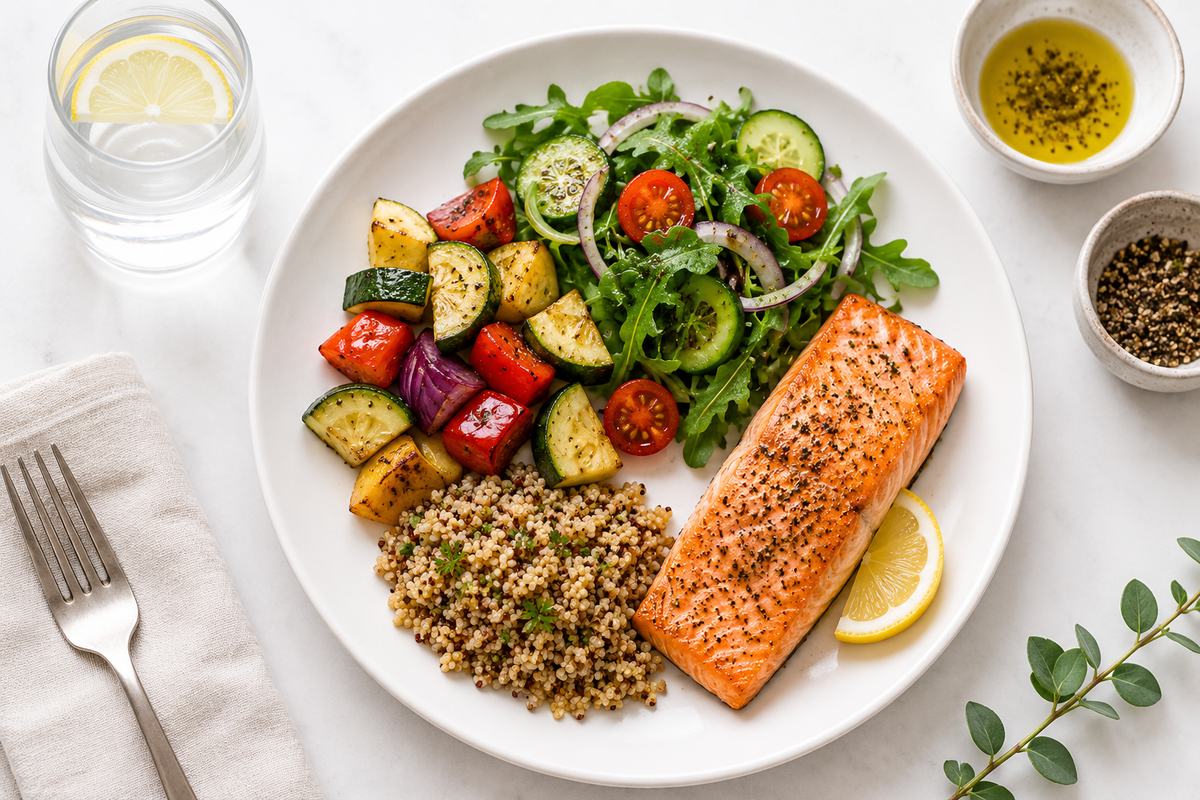
A simple place to start is The Fertility Plate, a practical framework for building balanced meals that support reproductive health.
The goal is not to follow a perfect diet. Instead, focus on building consistent eating habits that support hormone production, ovulation, egg health, sperm health, and overall well-being.
Want a Simple Way to Start Eating for Fertility?
Download the free Fertility Plate Starter Guide for a balanced framework you can use to build fertility-supportive meals without tracking, counting, or unnecessary restriction.
Focus on a Mediterranean-Style Eating Pattern
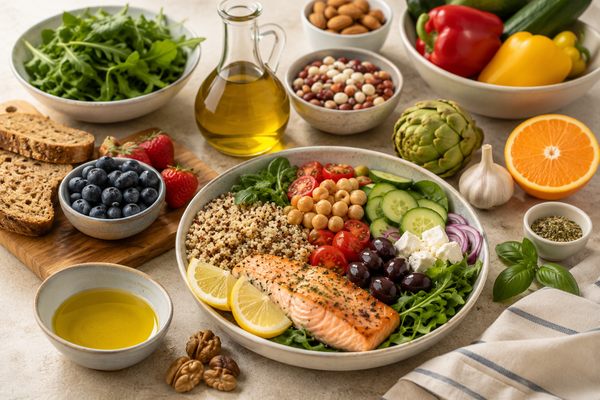
The dietary pattern most consistently associated with fertility is a Mediterranean-style diet. This approach emphasizes:
- Vegetables and fruits
- Whole grains
- Beans, lentils, and other legumes
- Nuts and seeds
- Fish and seafood
- Healthy fats
- Moderate amounts of dairy products
- Limited highly processed foods, sugary beverages, and foods containing trans fats
This style of eating provides a variety of nutrients that support fertility and overall health and may help reduce inflammation.
Research suggests that Mediterranean-style eating patterns may support fertility in both women and men, although study findings have not always been consistent. Overall, this dietary pattern is associated with many aspects of health that are important before and during pregnancy.
In men, Mediterranean-style dietary patterns have been associated with improved sperm quality, including sperm concentration and total sperm count. Because sperm development takes several months, nutrition and lifestyle habits today may influence sperm quality well before conception occurs. Learn more about the connection between nutrition and sperm health.
Building a Mediterranean-style eating pattern does not require a complete overhaul of your diet. Small changes made consistently over time can add up. If you're unsure where to start, meal planning for fertility can help make healthy eating feel more practical and sustainable.
Learn more about the research in Mediterranean Diet and Fertility: What the Research Suggests.
Prioritize Protein
Protein plays an important role in hormone production and overall health.
Include a variety of protein sources such as:
- Fish and seafood
- Eggs
- Greek yogurt and cottage cheese
- Beans and lentils
- Tofu and soy foods
- Poultry
- Lean meats
For many people, regularly including plant-based protein sources may provide additional benefits because they also contribute fiber and important nutrients.
Eat More Fruits and Vegetables
Fruits and vegetables provide vitamins, minerals, antioxidants, and fiber.
Antioxidants help protect cells from oxidative stress, including egg and sperm cells. Because both egg development and sperm development begin months before conception, everyday eating habits may be more important than many people realize.
Aim to include fruits or vegetables at most meals and snacks. Variety matters more than any single food or "superfood."
Include Healthy Fats
Healthy fats are important for hormone production and reproductive health.
These include:
- Extra-virgin olive oil
- Avocados
- Nuts and nut butters
- Seeds
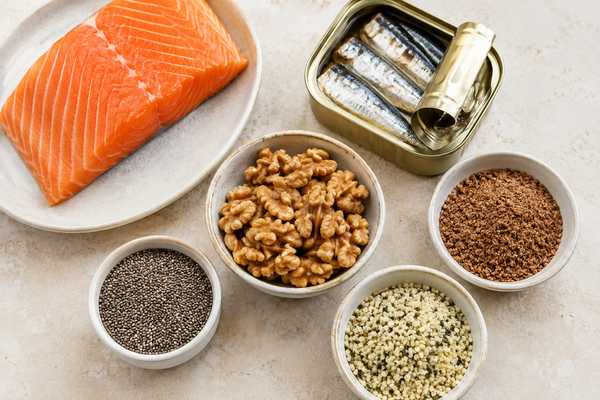
- Fatty fish such as salmon, sardines, trout, and herring
Fatty fish are particularly important because they provide DHA and EPA, omega-3 fatty acids that may support fertility and overall health.
When choosing seafood, prioritize lower-mercury options such as salmon, sardines, trout, and herring. Avoid high-mercury fish such as shark, swordfish, king mackerel, and tilefish.
Pay Attention to Key Fertility Nutrients
While food should be the foundation, several nutrients deserve special attention when trying to conceive.
For a broader overview, read Key Nutrients for Fertility: What to Focus on Before Pregnancy.
Folate
Folate supports healthy cell growth and helps prevent neural tube defects early in pregnancy.
Food sources include:
- Lentils
- Beans
- Leafy green vegetables
- Asparagus
- Avocado
Because neural tube development occurs very early in pregnancy, often before someone realizes they are pregnant, people trying to conceive are advised to take a supplement containing at least 400 micrograms (mcg) of folic acid daily.
Some individuals may require higher amounts of folic acid based on their medical history, medications, or previous pregnancy history. Speak with your healthcare provider about the dose that is right for you.
Learn more about how prenatal vitamins fit into fertility planning in How to Choose a Prenatal Vitamin When Trying to Conceive.
Choline
Choline supports fetal brain development and is an important nutrient before and during pregnancy.
Food sources include:
- Eggs
- Salmon
- Chicken
- Soy foods
- Dairy products
Many people do not consume enough choline, making it a nutrient worth paying attention to.
Learn more in Choline Before Pregnancy: Why It Matters and How to Get Enough.
Iodine
Iodine supports thyroid function, which plays an important role in fertility and pregnancy.
Food sources include:
- Dairy products
- Seafood
- Iodized salt
Omega-3 Fatty Acids
Omega-3 fatty acids, particularly docosahexaenoic acid (DHA) and eicosapentaenoic acid (EPA), are found primarily in fatty fish and may support reproductive and overall health.
Aim to include fish regularly, especially lower-mercury options such as salmon, sardines, trout, and herring.
Learn more about DHA, lower-mercury fish, and supplement considerations in Omega-3s Before Pregnancy: Why DHA Matters for Fertility and Early Pregnancy.
Support Blood Sugar Balance
Blood sugar regulation is particularly important for individuals with insulin resistance, diabetes, or conditions that affect ovulation and metabolism.
Simple strategies include:
- Building balanced meals with protein, fiber, and healthy fats
- Choosing whole grains more often than refined grains
- Eating regularly throughout the day
- Limiting sugary drinks
These habits can support metabolic health, insulin sensitivity, and reproductive health. For individuals with polycystic ovary syndrome (PCOS), which may also be referred to as polyendocrine metabolic ovarian syndrome (PMOS), understanding the relationship between blood sugar, PCOS, and fertility may be particularly helpful.
What About Supplements?
Food should be the foundation of fertility nutrition, but supplements may help fill nutritional gaps when needed.
Most people trying to conceive should discuss a prenatal vitamin with their healthcare provider. If you're wondering what testing or supplementation may be helpful before pregnancy, learn more about tests and supplements before pregnancy.
Depending on individual needs, additional nutrients such as vitamin D, omega-3 fatty acids, iron, iodine, or choline may be recommended.
Frequently Asked Questions
Do I Need to Stop Drinking Coffee When Trying to Conceive?
For most people, moderate caffeine intake appears to be safe while trying to conceive. Current recommendations suggest limiting caffeine to no more than 200 mg per day, which is roughly equivalent to about one to two cups of coffee, depending on brewing method and serving size.
Higher amounts of caffeine may be associated with reduced fertility and adverse pregnancy outcomes, so moderation is generally recommended while trying to conceive and during pregnancy.
Do I Need to Eat Perfectly to Support Fertility?
No. Fertility nutrition is not about perfection. Consistently eating balanced meals that provide adequate nourishment is likely to have a greater impact than focusing on individual foods or striving for a perfect diet.
When to Consider Working With a Fertility Dietitian
When you're trying to conceive, it can be difficult to know which fertility and nutrition advice to trust.
While general fertility nutrition recommendations can be helpful, individual needs vary based on factors such as PCOS and fertility, endometriosis, diabetes, thyroid conditions, food allergies, dietary preferences, fertility treatments, and nutritional deficiencies.
A Registered Dietitian specializing in fertility nutrition can help you identify opportunities to support reproductive health, address nutritional gaps, and develop a personalized plan based on your health history and fertility goals.
The Bottom Line
When trying to conceive, focus less on finding the perfect fertility food and more on creating a balanced eating pattern you can maintain over time.
A Mediterranean-style approach that includes plenty of vegetables, fruits, whole grains, protein-rich foods, healthy fats, and key fertility nutrients can help support reproductive health and pregnancy preparation.
If you're looking for personalized guidance, working with a fertility-focused Registered Dietitian can help you create a nutrition plan tailored to your unique health history, fertility journey, and family-building goals.
Want a Simple Way to Start Eating for Fertility?
Download the free Fertility Plate Starter Guide for a practical way to build balanced, fertility-supportive meals without tracking, counting, or unnecessary restriction.
Want personalized support?
Food & Fertility offers one-on-one nutrition counseling for fertility, PCOS/PMOS, endometriosis, fertility treatment, and preconception care.
Disclaimer: This article is for general educational purposes and is not a substitute for individualized medical, nutrition, or mental health care. Nutrition needs and fertility care vary based on health history, symptoms, medications, laboratory results, pregnancy status, and treatment plans. Discuss concerns, testing, diagnoses, and any changes to medications, supplements, or treatment with an appropriate healthcare professional.