The Fertility Plate: A Simple Framework for Eating to Support Fertility
The Fertility Plate is a simple framework for building balanced meals that support reproductive health and create a strong nutrition foundation for fertility.

When you're trying to conceive, it's easy to feel overwhelmed by nutrition advice.
One article tells you to avoid certain foods. Another recommends a long list of supplements. Social media often promotes fertility "superfoods" that promise more than the science can support.
The reality is often simpler.
There is no single food that guarantees pregnancy. Instead of focusing on individual foods, it is often more helpful to focus on overall eating patterns that provide the nutrients needed to support reproductive health.
That's where the Fertility Plate comes in.
The Fertility Plate is a simple framework informed by fertility nutrition research and real-world experience supporting people and couples as they navigate their fertility journey.
If you're new to fertility nutrition, you may find it helpful to also read What to Eat When Trying to Conceive: A Fertility Diet Guide and Preconception Nutrition: Supporting Fertility Without the Pressure.
Want a Simple Way to Start Eating for Fertility?
Download the free Fertility Plate Starter Guide for a simple, balanced framework you can use to build fertility-supportive meals without tracking, counting, or unnecessary restriction.
What Is the Fertility Plate?
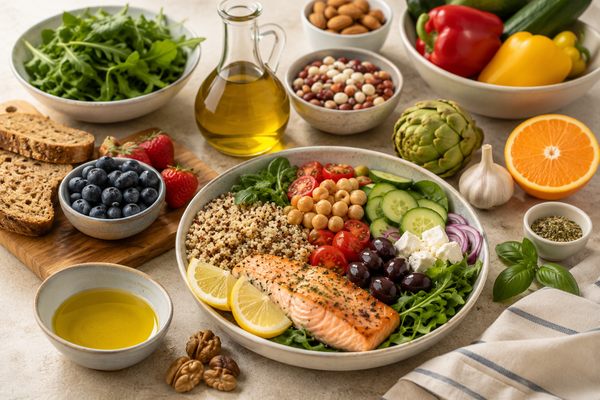
The Fertility Plate is a practical way to structure meals without counting calories, tracking macros, or following restrictive diets.
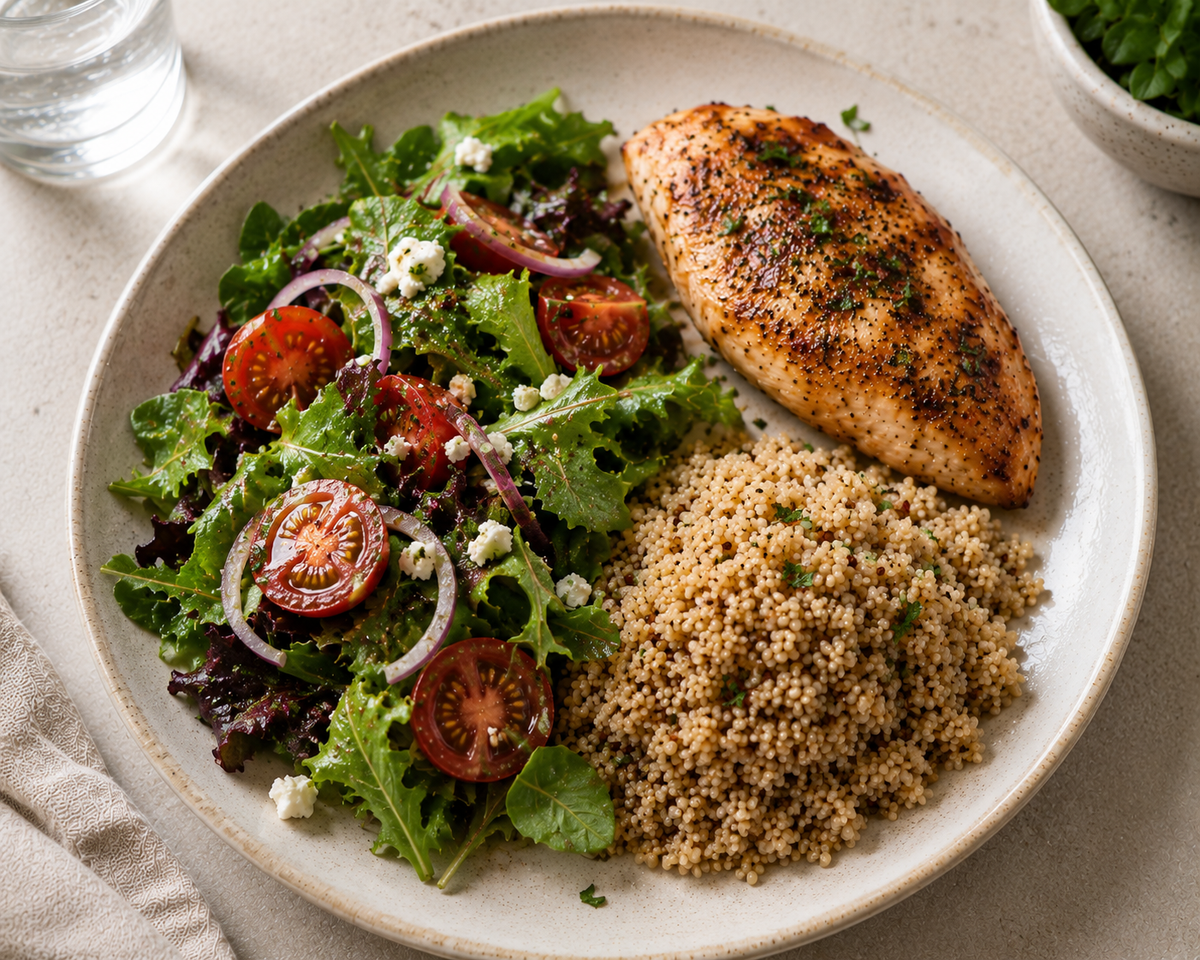
A balanced fertility-supportive meal typically includes:
- Half the plate vegetables and fruit
- One quarter of the plate protein
- One quarter of the plate high-fiber carbohydrates
- Healthy fats included throughout the meal
This approach helps provide the nutrients needed to support reproductive health while also supporting energy levels, blood sugar management, and overall well-being.
The goal is not perfection. Every meal does not need to look exactly like the Fertility Plate. Instead, it serves as a simple guide that can help you make food choices with confidence.
Why Does Nutrition Matter for Fertility?
Nutrition influences many aspects of reproductive health.
The nutrients you eat help support:
- Hormone production
- Ovulation
- Egg development
- Sperm development
- Implantation
- Overall metabolic health
Because eggs and sperm take weeks to months to develop, everyday eating habits can influence reproductive health long before conception occurs.
This doesn't mean fertility is entirely within your control. However, nutrition is one factor that may support overall reproductive health.
For a broader look at the evidence, see Can Diet Affect Fertility? What Research Shows.
Build Your Plate: Start With Produce
Vegetables and fruit provide vitamins, minerals, antioxidants, and fiber that support overall health.
Aim to fill about half your plate with vegetables and fruit when possible.
Examples include:
- Leafy greens
- Bell peppers
- Tomatoes
- Broccoli
- Carrots
- Berries
- Citrus fruit
- Apples
- Pears
You do not need to eat perfectly or buy special foods. Frozen vegetables and fruit can be just as nutritious as fresh options and are often more convenient.
Include Protein
Protein provides the building blocks needed for many functions throughout the body.
Protein-rich foods may include:
- Fish and seafood
- Eggs
- Chicken and turkey
- Lean meat
- Greek yogurt and other dairy foods
- Cottage cheese
- Tofu
- Tempeh
- Edamame
- Beans
- Lentils
Including protein with meals and snacks can help support satiety and provide important nutrients involved in reproductive health.
Choose High-Fiber Carbohydrates
Carbohydrates are often misunderstood. Carbohydrates are an important source of energy and contain fiber, vitamins, and minerals.
Examples include:
- Oats
- Brown rice
- Quinoa
- Whole grain bread
- Whole grain pasta
- Beans and lentils
- Potatoes and sweet potatoes
Higher-fiber carbohydrate choices can help support blood sugar management, insulin sensitivity, and overall metabolic health.
This may be particularly important for individuals with polycystic ovary syndrome (PCOS), which is increasingly being discussed through a metabolic lens as polyendocrine metabolic ovarian syndrome (PMOS).
Insulin resistance is common in PMOS and may affect both reproductive and metabolic health. Learn more in How Blood Sugar Affects PCOS and Fertility.
For a broader overview of nutrition and fertility in PMOS, see PCOS and Fertility. You can also read PCOS Is Now PMOS: Why the Name Changed and What It Means for Fertility to learn more about the recent name change.
Don't Forget Healthy Fats
Healthy fats play an important role in overall health and fertility nutrition.
Sources include:
- Olive oil
- Avocado
- Nuts
- Seeds
- Nut butters
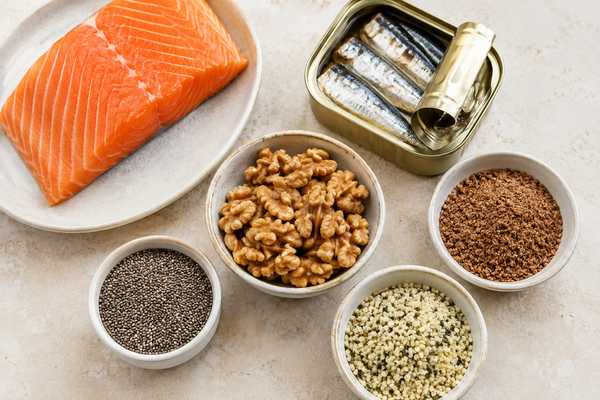
- Fatty fish such as salmon, trout, and sardines
Rather than avoiding fat, focus on including sources of unsaturated fats as part of a balanced eating pattern.
Fatty fish provides omega-3 fats, including DHA. Learn more about food sources and supplement considerations in Omega-3s Before Pregnancy: Why DHA Matters for Fertility and Early Pregnancy.
What About Supplements?
Supplements can help fill specific nutritional gaps, but they are not a replacement for a balanced eating pattern.
If you're trying to conceive, a prenatal vitamin containing folic acid is recommended before pregnancy. Folic acid helps prevent neural tube defects, serious birth defects affecting the brain and spine that develop very early in pregnancy, often before someone realizes they are pregnant.
Depending on your individual needs, additional supplements may be recommended by your healthcare team.
To learn more, see Tests and Supplements Before Pregnancy: What You Need to Know.
The Fertility Plate focuses on building a strong nutrition foundation first, with supplements used to complement—not replace—a healthy eating pattern.
For an overview of nutrients to prioritize before pregnancy, read Key Nutrients for Fertility: What to Focus on Before Pregnancy.
Fertility Nutrition Is About Patterns, Not Perfection
One meal does not determine fertility.
Likewise, one missed vegetable serving or one takeout meal does not harm fertility.
Research consistently suggests that overall dietary patterns matter more than individual foods.
The Fertility Plate is designed to help simplify nutrition by focusing on what to include rather than what to eliminate.
Small, consistent habits practiced over time are often more meaningful than pursuing a perfect diet.
If you're looking for practical ways to put these ideas into action, see Meal Planning for Fertility: How to Stock Your Kitchen.
The Bottom Line
The Fertility Plate is a simple framework for building balanced meals that support reproductive health.
Focus on:
- Half the plate vegetables and fruit
- One quarter protein
- One quarter high-fiber carbohydrates
- Healthy fats throughout the meal
You do not need a perfect diet to support fertility. Building balanced meals consistently over time can help create a strong nutritional foundation for your fertility journey.
Fertility Nutrition Is Personal
The Fertility Plate provides a general framework, but nutrition needs vary from person to person.
If you're navigating infertility, undergoing fertility treatment, or are living with PCOS, endometriosis, diabetes, or other health conditions, consider working with a Registered Dietitian (RD). An RD can help you develop a personalized nutrition plan based on your medical history, fertility goals, lifestyle, and preferences.
Want a Simple Way to Start Eating for Fertility?
Download the free Fertility Plate Starter Guide for a simple way to build balanced meals with protein, fiber-rich carbohydrates, colorful fruits and vegetables, and healthy fats.
Disclaimer: This article is for general educational purposes and is not a substitute for individualized medical, nutrition, or mental health care. Nutrition needs and fertility care vary based on health history, symptoms, medications, laboratory results, pregnancy status, and treatment plans. Discuss concerns, testing, diagnoses, and any changes to medications, supplements, or treatment with an appropriate healthcare professional.