PCOS Is Now PMOS: Why the Name Changed and What It Means for Fertility
Polycystic Ovary Syndrome (PCOS) has been renamed Polyendocrine Metabolic Ovarian Syndrome (PMOS). Learn why the name changed, what it means for fertility and metabolic health, and why the diagnostic criteria remain the same.

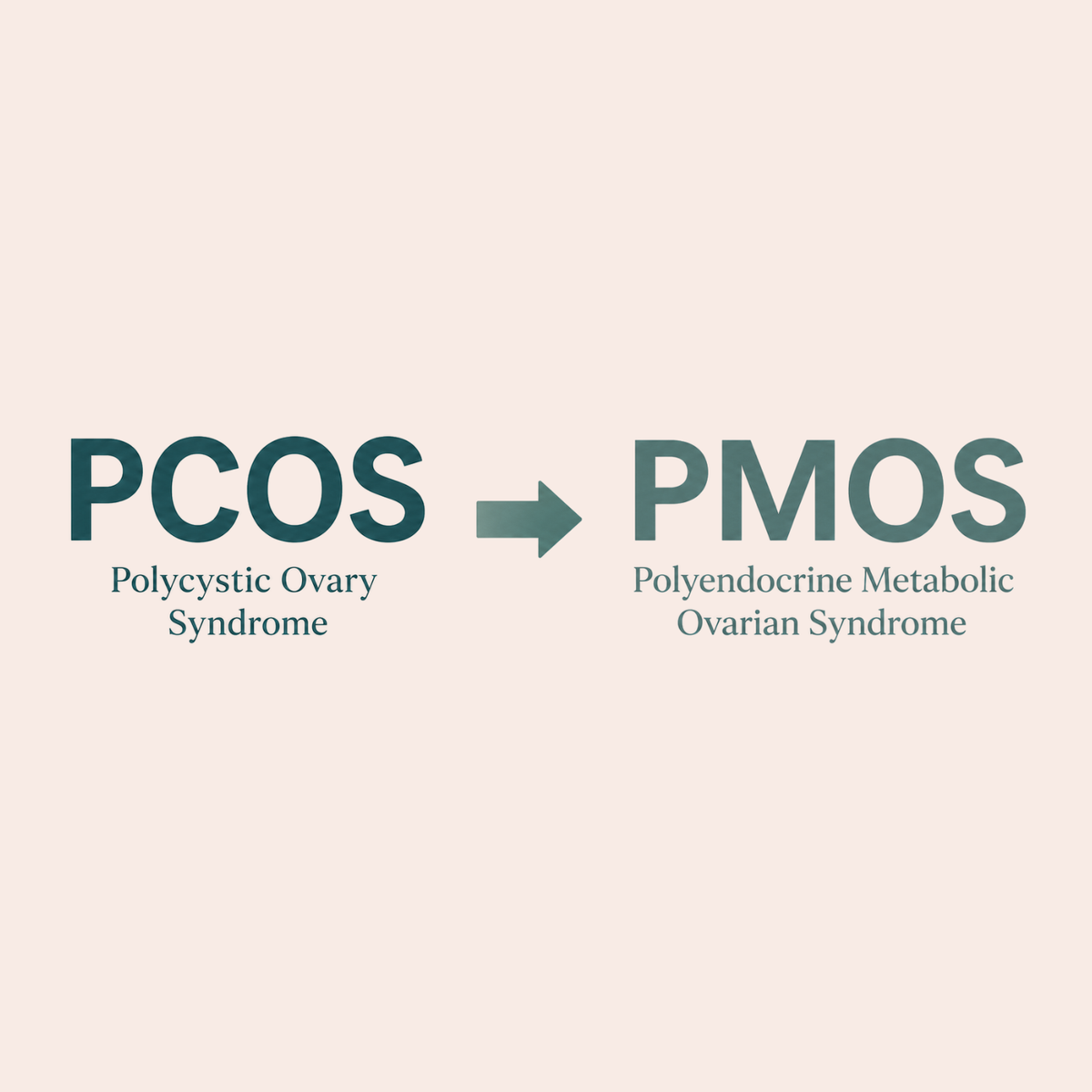
If you've recently heard that Polycystic Ovary Syndrome (PCOS) has been renamed Polyendocrine Metabolic Ovarian Syndrome (PMOS), you may be wondering why the name changed and what it means for your health and fertility.
Why replace a term that has been used for decades? And does the new name affect how the condition is diagnosed or treated?
To answer those questions, it helps to understand why experts felt the old name no longer reflected what we know about the condition today.
Why Was PCOS Renamed?
PMOS affects approximately 1 in 8 women worldwide, making it one of the most common endocrine conditions affecting reproductive-age women.
For years, clinicians, researchers, and people living with PCOS have recognized that the name did not accurately describe the condition.
One of the biggest concerns was that the name suggested people had ovarian cysts. In reality, the ovarian finding associated with PCOS consists of small follicles rather than true pathological cysts.
The condition also affects much more than the ovaries. It can influence hormones, metabolism, ovulation, fertility, and long-term health.
The new name, Polyendocrine Metabolic Ovarian Syndrome (PMOS), was chosen to better reflect what we now know about the condition.
- Polyendocrine recognizes that multiple hormone systems can be involved.
- Metabolic highlights the important role of insulin resistance and metabolic health.
- Ovarian acknowledges the effects on ovulation and ovarian function.
- Syndrome reflects that PMOS is a collection of related reproductive, hormonal, and metabolic features rather than a single disease process.
Has the Diagnosis Changed?
No.
If you were previously diagnosed with PCOS, your diagnosis has not changed.
PMOS continues to be diagnosed using the same internationally recognized criteria previously used for PCOS. Diagnosis requires at least two of the following:
- Ovulatory dysfunction
- Hyperandrogenism (elevated androgen levels or symptoms such as acne or excess hair growth)
- Polycystic ovarian morphology on ultrasound or elevated anti-Müllerian hormone (AMH)
Other medical conditions that can cause similar symptoms must still be ruled out.
Will I Still See the Term PCOS?
Yes.
The transition from PCOS to PMOS will take time. During this period, you will likely see both terms used in medical records, research studies, websites, and healthcare settings.
The condition itself has not changed. Our understanding of it has.
The new name is intended to better reflect our current understanding of the condition and improve communication among individuals, clinicians, and researchers.
What Does PMOS Mean for Fertility?
Many people first learn they have PMOS while trying to conceive.
PMOS can affect fertility by contributing to:
- Irregular ovulation
- Hormonal imbalances
- Insulin resistance
- Metabolic changes that influence reproductive health
At the same time, PMOS is one of the most common and treatable causes of infertility.
Many people with PMOS conceive naturally, while others benefit from nutrition and lifestyle changes, medications, or fertility treatment.
Why the Word "Metabolic" Matters
One of the most important changes is the inclusion of the word metabolic.
Insulin resistance is common in PMOS and can influence hormone production, ovulation, inflammation, and long-term health.
The new name acknowledges something clinicians and researchers have long recognized: reproductive health and metabolic health are closely connected.
For many individuals with PMOS, nutrition, physical activity, and weight management can play an important role in supporting metabolic health and improving symptoms. Sleep and stress management may also contribute to overall wellbeing and reproductive health.
The Bottom Line
The change from PCOS to PMOS reflects a better understanding of the condition, not a change in diagnosis.
The new name recognizes that PMOS is more than an ovarian disorder. It involves hormonal, metabolic, and reproductive health, all of which can influence fertility.
While the terminology is changing, the goal remains the same: helping people access accurate information, appropriate care, and evidence-based support as they work toward their health and family-building goals.