Does Nutrition Affect Ovulation? How Diet Supports Hormones and Fertility
Ovulation depends on hormone communication between the brain and ovaries. Learn how nutrition, energy availability, metabolic health, and lifestyle patterns may support ovulation and fertility.

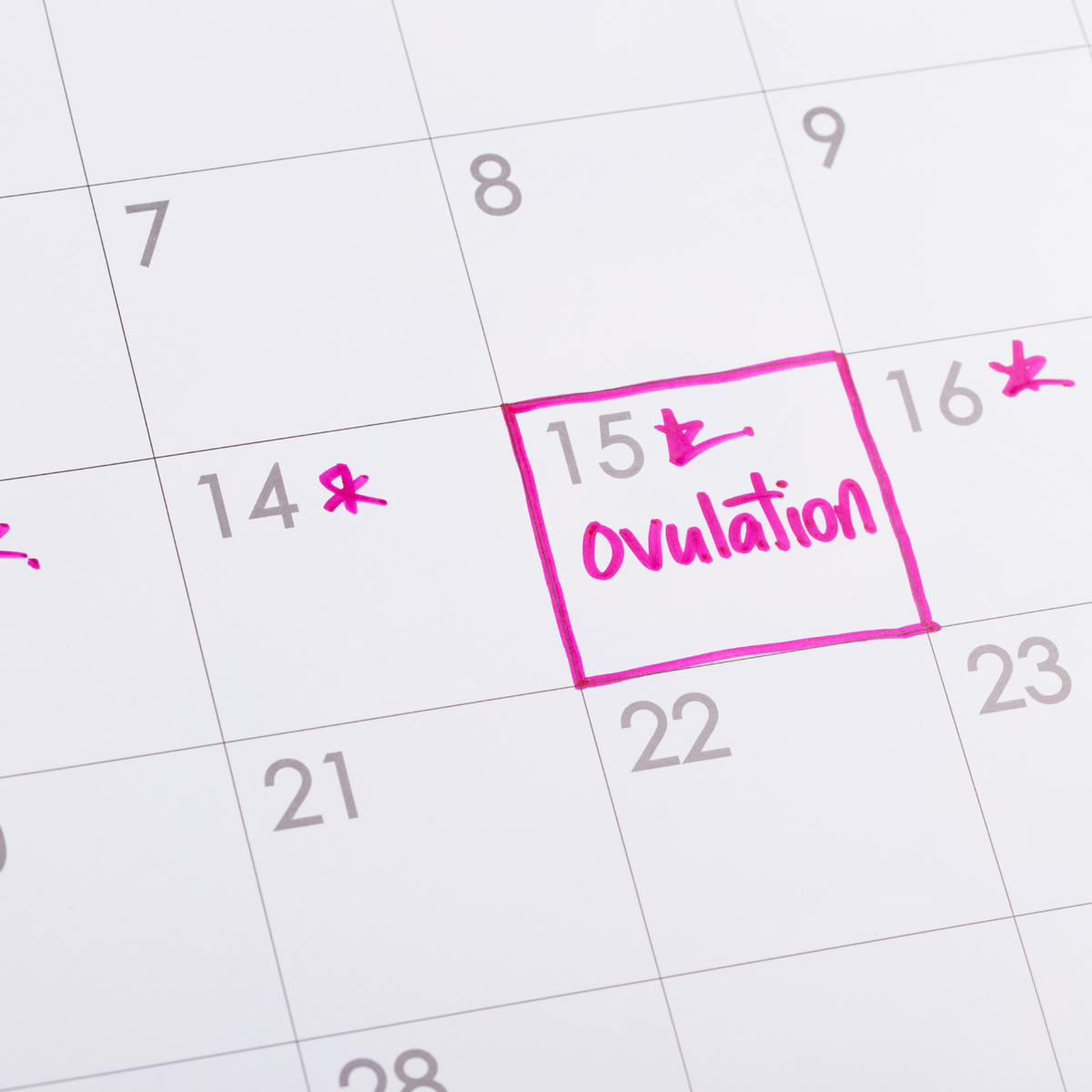
Fertility conversations often focus on timing: tracking cycles, identifying fertile windows, and predicting ovulation.
If you’ve been told to track ovulation, you may be wondering how ovulation works and whether nutrition plays a role.
Nutrition and lifestyle patterns may support ovulation over time, alongside other aspects of overall health.
Ovulation is an important part of the reproductive process. It depends on communication between the brain, ovaries, and hormones, and it can be influenced by factors such as metabolic health, energy availability, thyroid function, stress, sleep, and overall nourishment.
Want a Simple Way to Start Eating for Fertility?
Download the free Fertility Plate Starter Guide for a simple, balanced framework you can use to build fertility-supportive meals without tracking, counting, or unnecessary restriction.
How Hormones Help Coordinate Ovulation
Ovulation depends on communication between your brain and your ovaries.
Each cycle, your brain sends signals to the ovaries to mature and release an egg. This process involves hormones such as:
- Follicle-stimulating hormone (FSH)
- Luteinizing hormone (LH)
- Estrogen
- Progesterone
When this communication flows as expected, ovulation typically occurs once per cycle.
When that signaling is disrupted, ovulation may become irregular or may not occur.
For some people, irregular ovulation is related to conditions such as PCOS, which can affect fertility through ovulation, hormones, and metabolic health. You may also see PCOS referred to as PMOS as terminology begins to change.
What Factors Influence Ovulation?
Ovulation is influenced by your overall health.
Several factors can affect how consistently ovulation occurs, including:
- metabolic health and insulin signaling
- energy balance and adequate nourishment
- inflammation
- stress and cortisol patterns
- thyroid function
- sleep and physical activity
- smoking and alcohol intake
These factors don’t operate separately—they interact with one another and with reproductive hormones.
Nutrition is one of the ways these systems are supported day to day. Understanding what to eat when trying to conceive can help you build habits that support ovulation and overall reproductive health. A simple framework like The Fertility Plate can help you build balanced meals without turning fertility nutrition into another thing to track.
For example, energy availability plays an important role. When the body does not have enough energy to meet its needs, it may shift resources away from reproduction. This can affect hormone signaling and ovulation in some individuals.
This isn’t about getting everything exactly right.
It’s about giving your body consistent nourishment over time.
What Research Shows About Nutrition and Ovulation
Research on fertility nutrition tends to point to patterns—not single foods.
The Nurses’ Health Study II followed nearly 18,000 women trying to conceive. Women who more consistently followed certain nutrition and lifestyle patterns were less likely to experience ovulatory infertility.
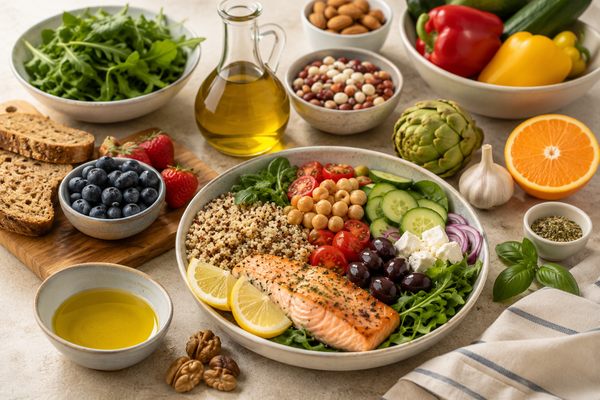
These patterns reflected a balanced way of eating that included:
- vegetables and fruits
- whole grains and legumes
- fish
- healthy fats like olive oil
These findings suggest that overall diet quality may help support ovulation over time.
Learn more about the nutrients that deserve particular attention in Key Nutrients for Fertility: What to Focus on Before Pregnancy.
How Nutrition Supports Hormones and Ovulation
Your body needs adequate nutrients and energy to produce and regulate hormones. Nutrients from food act as building blocks and help support how hormones function throughout the cycle.
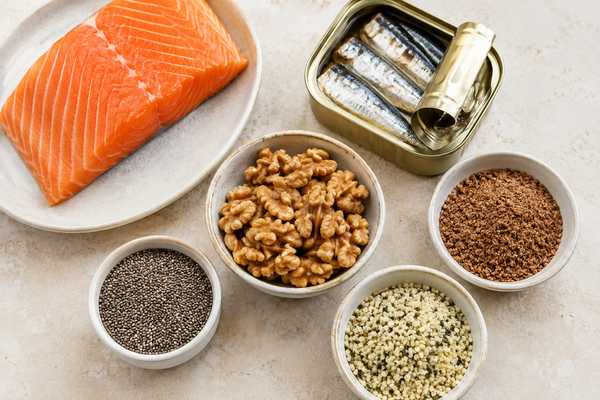
Nutrients like B vitamins, magnesium, omega-3 fatty acids, and antioxidants support processes involved in energy production, inflammation balance, and hormone regulation.
What Does a Fertility-Supportive Diet Look Like?
Across studies, similar patterns tend to emerge.
A fertility-supportive eating pattern often includes:
- Vegetables and fruits eaten regularly
- Whole grains and legumes
- Fish and other sources of healthy fats
- Nuts and seeds
- Protein spread throughout the day
- Fewer highly processed foods and refined carbohydrates
A fertility-supportive day of eating might look like:
Breakfast: Oatmeal cooked with milk, topped with sliced banana, chia seeds, and almond butter
Lunch: Lentil and vegetable soup with a slice of whole-grain bread and olive oil
Snack: Cottage cheese with pineapple and a handful of pistachios
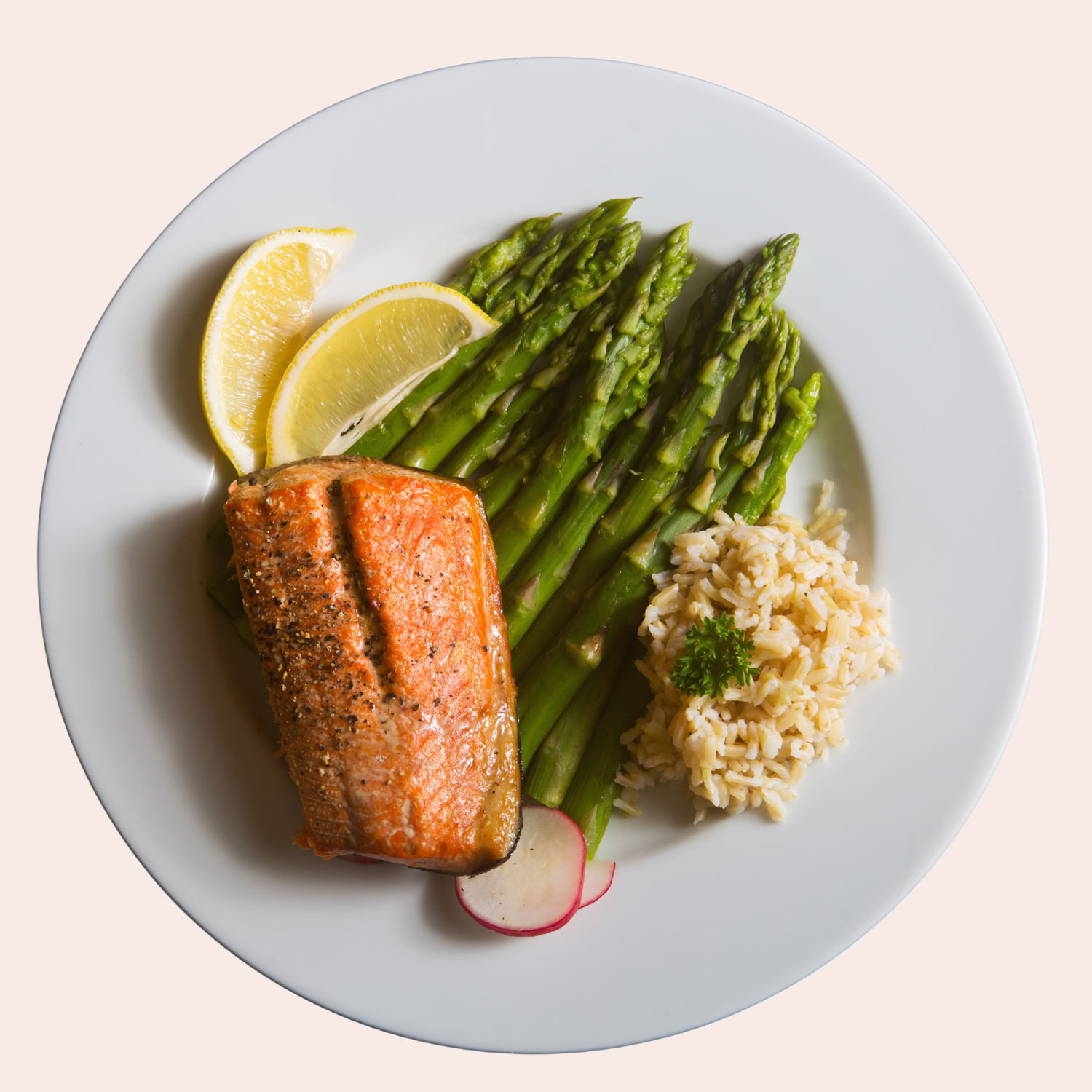
Dinner: Baked trout with brown rice, roasted Brussels sprouts, and avocado
Aim for consistency, not perfection. Balanced meals over time can help provide the nutrients and energy needed to support reproductive health.
Why Ovulation Matters for Fertility
Ovulation is a key step in the reproductive process.
Without ovulation, fertilization cannot occur. Irregular ovulation can also make it more difficult to identify fertile windows.
Supporting ovulation isn’t about perfection. It’s about supporting the systems your body relies on—consistently, over time.
Summary
Ovulation depends on hormone communication between the brain and the ovaries.
Nutrition and lifestyle habits may influence several systems involved in this process, including metabolic health, inflammation, and hormone signaling.
Over time, consistent, nourishing habits may help support ovulation and reproductive health.
Want a Simple Way to Start Eating for Fertility?
Download the free Fertility Plate Starter Guide for a simple, balanced framework you can use to build fertility-supportive meals without tracking, counting, or unnecessary restriction.
References
Chavarro JE et al. Diet and lifestyle in the prevention of ovulatory disorder infertility. Obstetrics & Gynecology. 2007.
Toledo E et al. Mediterranean diet and assisted reproduction outcomes. Human Reproduction. 2011.
Gaskins AJ et al. Dietary patterns and IVF outcomes. Human Reproduction. 2019.
Disclaimer: This article is for general educational purposes and is not a substitute for individualized medical, nutrition, or mental health care. Nutrition needs and fertility care vary based on health history, symptoms, medications, laboratory results, pregnancy status, and treatment plans. Discuss concerns, testing, diagnoses, and any changes to medications, supplements, or treatment with an appropriate healthcare professional.