Mediterranean Diet and Fertility: What the Research Suggests
The Mediterranean diet may support fertility while also benefiting overall health. Learn what the research suggests and how to follow this flexible eating pattern while trying to conceive.

When you are trying to conceive, nutrition advice can quickly turn into a long list of foods to add, foods to limit, and rules to follow.
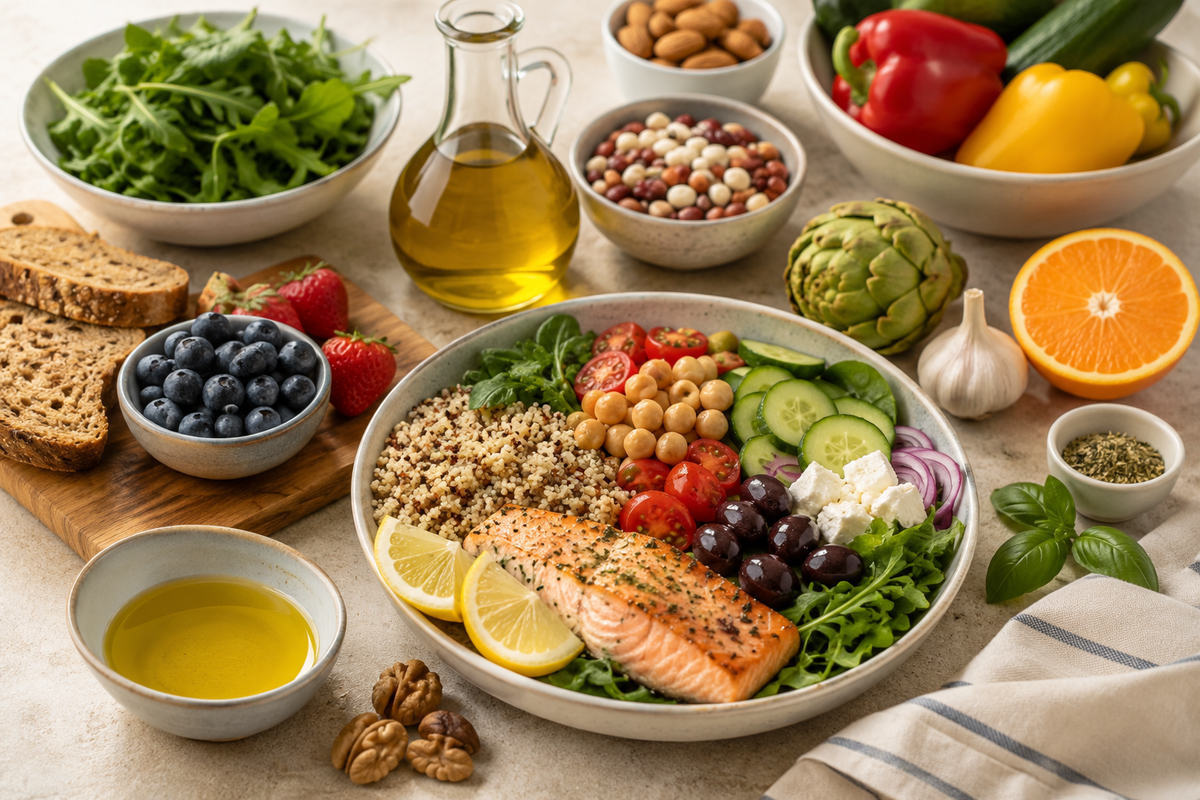
A Mediterranean-style eating pattern offers a simpler way to look at the bigger picture. It focuses on vegetables, fruit, whole grains, legumes, nuts, seeds, olive oil, fish, and other nutrient-rich foods.
Research has linked Mediterranean-style eating with overall health and some positive fertility-treatment outcomes.
Many of the foods and nutrients associated with reproductive health are already part of a Mediterranean-style pattern. This article explores what the research suggests and how to apply the pattern in a practical way while trying to conceive.
Looking for a simple way to build fertility-supportive meals?
Download the free Fertility Plate Starter Guide for an easy framework for building balanced meals.
What Is the Mediterranean Diet?
The Mediterranean diet reflects traditional eating patterns found in countries surrounding the Mediterranean Sea.
There is no single Mediterranean menu. Foods and meals vary across regions, cultures, seasons, and households.
The pattern generally emphasizes:
- Vegetables and fruit
- Beans, lentils, and other legumes
- Whole grains
- Nuts and seeds
- Olive oil and other unsaturated fats
- Fish and seafood
- Herbs and spices
- Eggs, poultry, and dairy foods
- Meals built around minimally processed ingredients
This way of eating provides fiber, protein, vitamins, minerals, antioxidants, and healthy fats through a wide range of foods.
Mediterranean-style eating is flexible. Meals can include familiar foods, cultural preferences, vegetarian options, convenient ingredients, and foods you simply enjoy.
Why Is the Mediterranean Diet Studied for Fertility?
Researchers study Mediterranean-style eating because it provides a wide range of foods and nutrients that support processes involved in fertility, including egg and sperm development, hormone production, ovulation, inflammation regulation, metabolic health, and early embryo development.
For example:
- Vegetables and fruit provide vitamins, minerals, fiber, and antioxidants that support cell health and inflammation regulation.
- Fish provides protein, iodine, vitamin D, and omega-3 fats that support thyroid function, cell development, and preparation for pregnancy.
- Beans, lentils, nuts, and seeds provide plant protein, fiber, iron, zinc, and healthy fats that support blood health, metabolic health, and reproductive function.
- Whole grains provide energy, fiber, and B vitamins.
- Olive oil provides monounsaturated fat that supports cardiovascular and metabolic health.
- Eggs and dairy foods contribute protein and nutrients such as choline, iodine, vitamin B12, and calcium.
Together, these foods provide a broad range of nutrients that support overall health, reproductive health, and preparation for pregnancy. This combination of foods, rather than one individual ingredient, is one reason researchers are interested in Mediterranean-style eating.
To learn more about the nutrients that deserve particular attention before pregnancy, read Key Nutrients for Fertility: What to Focus on Before Pregnancy.
What Does the Research Suggest?
Research on the Mediterranean diet and fertility is promising, especially among people undergoing fertility treatment.
Some studies have linked Mediterranean-style eating with positive pregnancy tests, ongoing pregnancies, and live births following in vitro fertilization. A systematic review also found a higher likelihood of live birth among people with greater adherence to the pattern.
The findings are not identical across every study, and much of the evidence comes from observational research. Even so, the overall pattern is encouraging.
One study suggested that meaningful benefits may be seen with moderate adherence, supporting a flexible approach rather than aiming for perfection.
The practical takeaway is that Mediterranean-style eating may support reproductive health while also benefiting cardiovascular and metabolic health before pregnancy.
Does the Mediterranean Diet Improve Natural Fertility?
Research on natural conception is still growing, since many studies have focused on people undergoing fertility treatment.
For people trying to conceive without treatment, Mediterranean-style eating is still a practical choice. It provides a wide range of nutrients and supports many of the body systems involved in reproduction.
The American Society for Reproductive Medicine supports a healthful eating pattern while noting that research has not shown one specific diet to be superior. Mediterranean-style eating is one practical way to apply that guidance while trying to conceive.
What Does Mediterranean-Style Eating Look Like?
Mediterranean-style eating can be simple and familiar.
Build meals around vegetables and fruit
Vegetables and fruit contribute fiber, folate, vitamin C, carotenoids, potassium, and a wide range of plant compounds.
Try adding them throughout the day:
- Berries or sliced fruit with breakfast
- Leafy greens in sandwiches, bowls, or egg dishes
- Raw vegetables with hummus
- Roasted vegetables with dinner
- Frozen vegetables added to pasta, soups, or stir-fries
Fresh, frozen, canned, and dried options can all contribute.
Choose high-fiber carbohydrates
Mediterranean-style meals regularly include grains, beans, lentils, potatoes, and other carbohydrate-rich foods.
Examples include:
- Oats
- Whole-grain bread
- Brown rice
- Quinoa
- Barley
- Whole-grain pasta
- Potatoes and sweet potatoes
- Beans and lentils
These foods provide energy, fiber, B vitamins, and minerals while helping make meals more filling.
Include a source of protein
Protein supports cell growth, hormone production, tissue repair, and the increased needs that come with pregnancy.
Mediterranean-style protein choices include:
- Fish and seafood
- Beans and lentils
- Eggs
- Yogurt and cheese
- Poultry
- Tofu and other soy foods
- Nuts and seeds
- Meat in amounts that fit your preferences
Eating a variety of protein sources provides a wider range of nutrients.
Include healthy fats
Olive oil is one of the best-known features of Mediterranean-style eating.
Other sources include:
- Nuts
- Seeds
- Avocado
- Olives
- Fish
- Nut and seed butters
These foods contribute unsaturated fats and help meals feel satisfying.
Use herbs, spices, and flavor
Mediterranean-style eating is rich in flavor. Garlic, parsley, basil, oregano, cumin, paprika, lemon, vinegar, tahini, and yogurt-based sauces can make simple foods more enjoyable and easier to include regularly.
Where Does Fish Fit?
Fish and seafood contribute high-quality protein, iodine, selenium, vitamin D, and omega-3 fats.
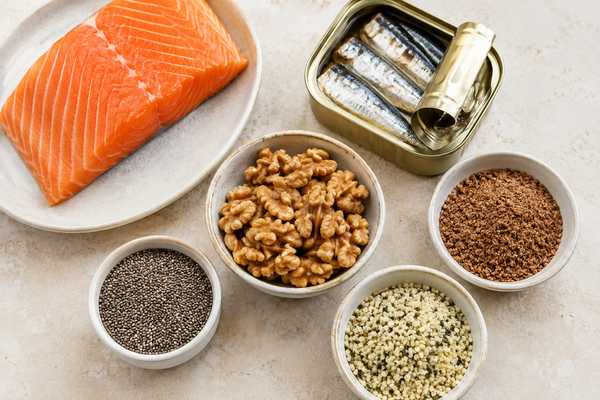
Fatty fish such as salmon, sardines, trout, herring, and anchovies provide docosahexaenoic acid (DHA) and eicosapentaenoic acid (EPA).
DHA plays an important role in fetal brain and eye development, which makes seafood especially relevant during preconception and pregnancy preparation.
Aim to include a variety of low-mercury fish and seafood regularly.
For more information, read Omega-3s Before Pregnancy: Why DHA Matters for Fertility and Early Pregnancy.
Can You Follow This Pattern Without Eating Fish?
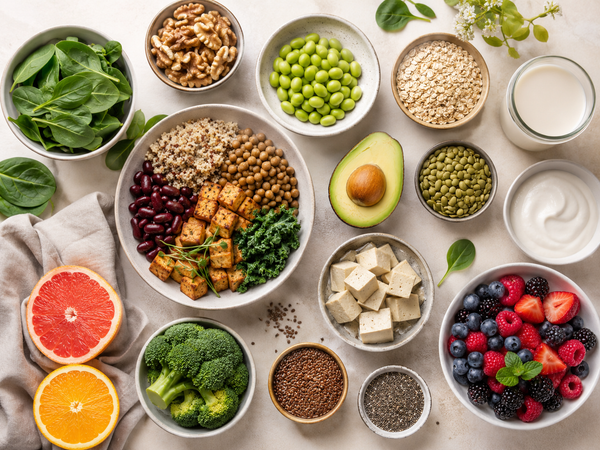
Yes. Mediterranean-style eating can be adapted for vegetarian, vegan, and fish-free eating patterns.
Plant-based meals can feature:
- Beans and lentils
- Tofu and tempeh
- Edamame
- Nuts and seeds
- Whole grains
- Vegetables and fruit
- Olive oil
- Dairy foods and eggs, when included
People who do not eat fish can include plant sources of omega-3 fats, such as chia seeds, flaxseeds, hemp seeds, and walnuts. An algae-based DHA supplement may help meet DHA needs.
For a closer look at plant-based fertility nutrition, read Trying to Conceive on a Vegetarian or Vegan Diet: Key Nutrients to Know.
How Does This Relate to the Fertility Plate?
The Fertility Plate offers a practical way to apply many Mediterranean-style principles at individual meals.
A balanced plate can include:
- About half vegetables and fruit
- A source of protein
- A high-fiber carbohydrate
- A source of healthy fat
For example:
- Salmon, roasted vegetables, quinoa, and olive oil dressing
- Lentil pasta with tomato sauce, spinach, and Parmesan
- A grain bowl with chickpeas, vegetables, avocado, and tahini
- Eggs with whole-grain toast, sautéed greens, and fruit
- Greek yogurt with berries, oats, and walnuts
- Chicken, brown rice, roasted vegetables, and hummus
The proportions can change based on appetite, activity, culture, preferences, and medical needs.
For a simple guide to building balanced meals, read The Fertility Plate: A Simple Framework for Eating to Support Fertility.
Simple Ways to Eat More Mediterranean-Style
You can begin with foods you already enjoy.
Try one or two of these ideas:
- Add vegetables to a familiar lunch or dinner.
- Use olive oil in cooking or salad dressing.
- Include beans or lentils in one meal each week.
- Choose fruit, yogurt, or nuts for a snack.
- Add fish or seafood to the weekly meal plan.
- Use whole-grain bread, oats, brown rice, or quinoa more often.
- Build a meal around eggs, tofu, beans, fish, or poultry.
- Keep frozen vegetables and canned beans available for quick meals.
- Add herbs, spices, lemon, pesto, hummus, or tahini for flavor.
Does Every Meal Need to Look Mediterranean?
Mediterranean-style eating describes an overall way of eating, not one specific meal. Foods and flavors from many cuisines can fit within the same balanced approach.
Mediterranean-style meals might include:
- A Mexican-inspired bean and vegetable bowl
- An Indian lentil curry with brown rice
- A Japanese salmon and vegetable meal
- A Middle Eastern chickpea plate with hummus and tabbouleh
- A familiar sandwich served with fruit and a vegetable soup
The key principles can travel across cuisines:
- Plenty of plant foods
- A source of protein
- High-fiber carbohydrates
- Unsaturated fats
- Variety across the week
This flexibility helps make the pattern sustainable.
What About Sweets, Takeout, and Convenience Foods?
Mediterranean-style eating has room for enjoyment, convenience, and real life.
Takeout, dessert, packaged foods, and restaurant meals can fit within an overall nourishing pattern. You can also use convenient ingredients such as:
- Frozen vegetables
- Canned fish
- Canned beans and lentils
- Microwaveable whole grains
- Pre-washed greens
- Rotisserie chicken
- Store-bought hummus
- Yogurt
- Whole-grain crackers
- Jarred tomato sauce
Using a mix of fresh, frozen, canned, and prepared foods can make Mediterranean-style eating more realistic for your schedule, budget, and everyday life.
The Bottom Line
The Mediterranean diet offers a flexible, food-first pattern built around vegetables, fruit, whole grains, legumes, nuts, seeds, olive oil, fish, and other nourishing foods.
Research suggests that Mediterranean-style eating may be associated with a higher likelihood of live birth in some fertility-treatment studies, while ongoing research continues to clarify the relationship.
For everyday fertility preparation, focus on balanced meals that provide:
- A variety of plant foods
- Adequate protein
- High-fiber carbohydrates
- Healthy fats
- Important vitamins and minerals
- Foods that fit your preferences and lifestyle
Mediterranean-style eating offers a practical way to support reproductive and overall health. The goal is to build a balanced way of eating that feels realistic, enjoyable, and sustainable as you prepare for pregnancy.
Fertility Nutrition Is Personal
Your eating pattern may look different based on your culture, food preferences, medical history, symptoms, fertility treatment, budget, and lifestyle.
A Registered Dietitian specializing in fertility nutrition can help you adapt Mediterranean-style principles to your needs and create a plan that feels realistic and supportive while trying to conceive.
Looking for a simple way to build balanced meals?
Download the free Fertility Plate Starter Guide for a simple, balanced framework you can use to build fertility-supportive meals without tracking, counting, or unnecessary restriction.
Disclaimer: This article is for general educational purposes and is not a substitute for individualized medical, nutrition, or mental health care. Nutrition needs and fertility care vary based on health history, symptoms, medications, laboratory results, pregnancy status, and treatment plans. Discuss concerns, testing, diagnoses, and any changes to medications, supplements, or treatment with an appropriate healthcare professional.