Sperm Development and Nutrition
Male factors contribute to 40–50% of infertility cases. Sperm develop over 70–90 days, and nutrition and lifestyle during this time may influence sperm health. Preparing for pregnancy involves both partners.

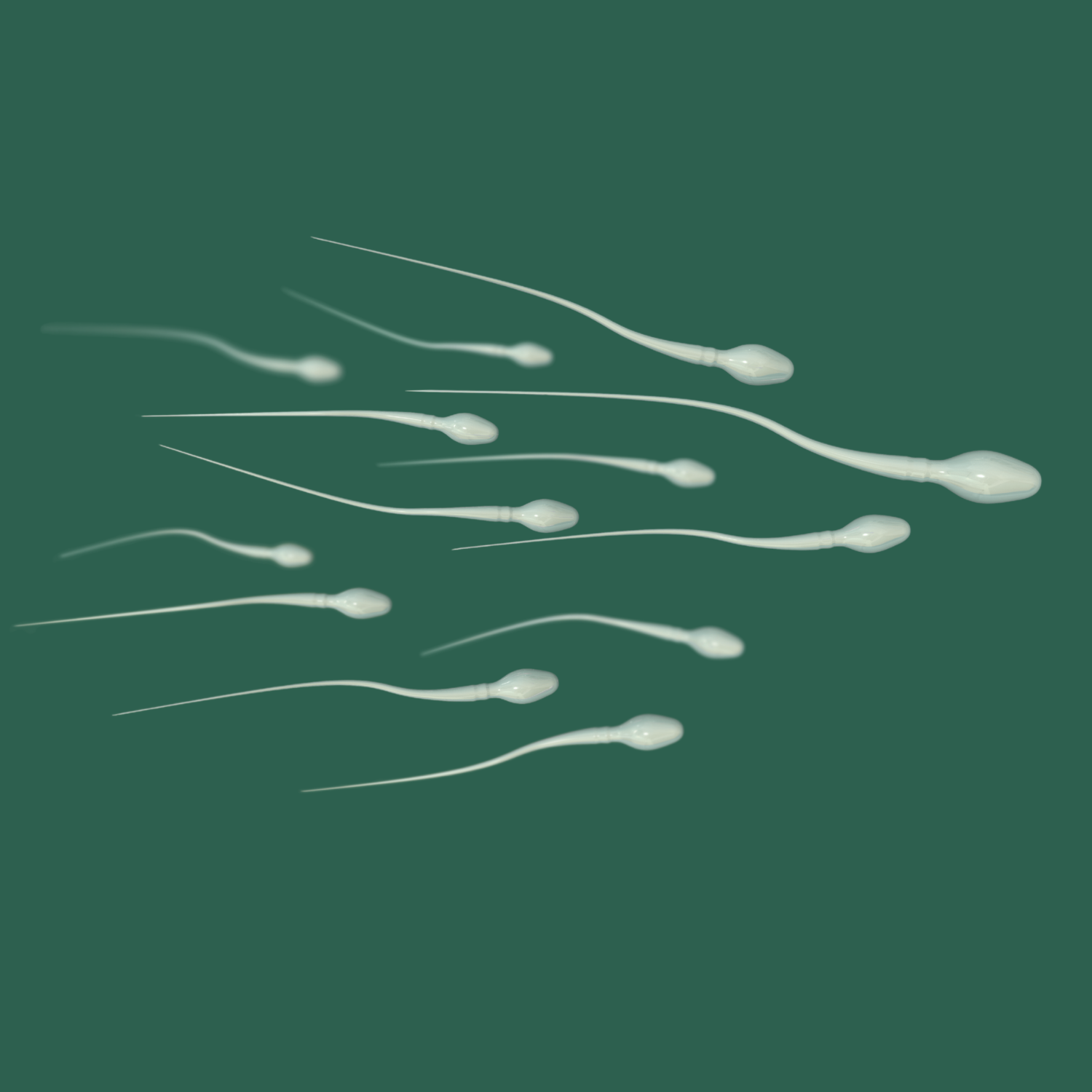
Fertility discussions often focus on the female partner. Male reproductive health also plays an important role in fertility.
Male factors contribute to infertility in about 40-50% of cases. Sperm health including sperm count, movement, and structure can influence fertilization and early embryo development. Male reproductive health is half the picture.
Our previous article, Can Diet Affect Fertility?, explored how overall diet quality may influence fertility. Nutrition is one factor that may influence sperm health.
As you read, you’ll notice references to other articles in this series. When they’re published, we’ll link them here. If you’re subscribed to Food & Fertility Insights, they’ll arrive directly in your inbox.
The Sperm Development Timeline
Like the egg, sperm cells develop over time.
Sperm production occurs in the testes through a process called spermatogenesis. From early development to a mature sperm capable of fertilization, the process takes approximately 70–90 days.
Given this timeline, nutrition and lifestyle patterns in the three months before conception may influence sperm health. This period is sometimes referred to as trimester zero—the time before pregnancy when reproductive cells are developing.

What Researchers Study in Male Fertility
Researchers studying male fertility often examine semen parameters, including:
• sperm count (how many sperm are present)
• sperm motility (how well sperm move)
• sperm morphology (the shape and structure of sperm)
• DNA integrity within sperm cells
These factors can influence fertilization and early embryo development.
Nutrition may influence several biological systems involved in sperm production, including oxidative stress, inflammation, hormone regulation, and DNA integrity.
What Research Shows
Several studies have examined how diet patterns relate to sperm health.
Men who follow dietary patterns rich in vegetables, fruits, whole grains, fish, and healthy fats tend to show more favorable semen parameters compared with men whose diets are higher in processed foods, refined carbohydrates, and saturated fats.[1][2]
Some studies have also found that Mediterranean-style dietary patterns are associated with improved sperm concentration and motility.[3]
While these studies show associations rather than cause and effect, they suggest that overall diet quality may influence male reproductive health.
Nutrients That Support Sperm Health
Sperm cells are particularly vulnerable to oxidative stress, a process where unstable molecules can damage cellular structures and DNA.
Several nutrients that support antioxidant defenses and cellular function may play a role in sperm health, including:
• zinc
• selenium
• vitamin C
• vitamin E
• folate
• omega-3 fatty acids
These nutrients support processes such as DNA synthesis, antioxidant protection, and cell membrane function, all of which are important for sperm development.
Most of these nutrients are found naturally in a wide range of foods. Aim to obtain these nutrients through food first, using supplements when needed.
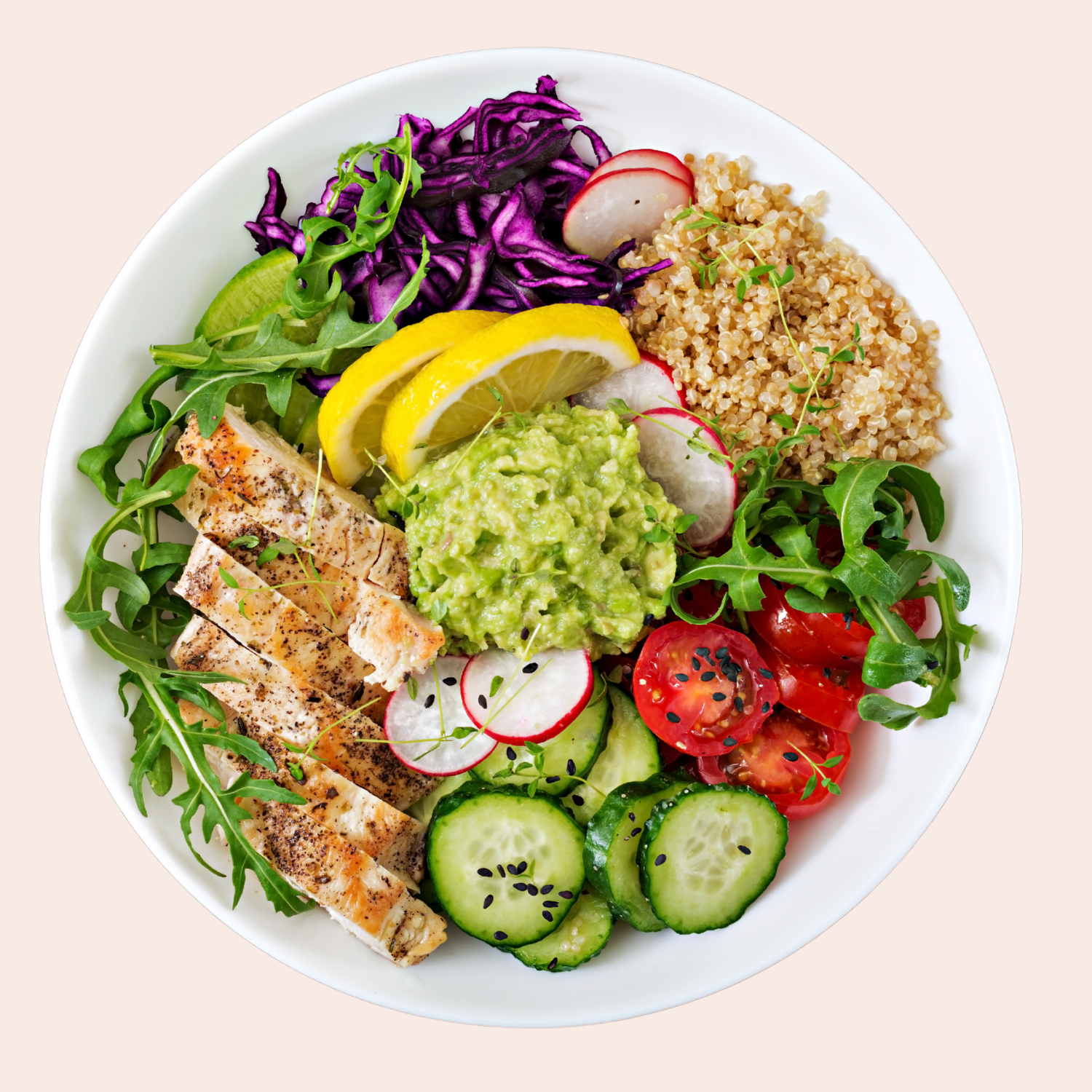
What Does a Fertility-Supportive Diet Look Like for Men?
Research on male fertility nutrition points to similar patterns of eating as those associated with overall reproductive health.
These patterns often include:
• vegetables and fruits eaten regularly
• whole grains and legumes
• fish and sources of healthy fats
• nuts and seeds
• fewer highly processed foods and refined carbohydrates
A fertility-supportive day of eating might look like:
Breakfast
Scrambled eggs with sautéed spinach, whole-grain toast and avocado
Lunch
Farro salad with roasted vegetables, chickpeas, olive oil, and grilled salmon
Snack
Greek yogurt with sliced pear, and walnuts
Dinner
Grilled chicken with quinoa, roasted sweet potatoes, and mixed greens
Aim for consistency, not perfection. Consistent, balanced meals over time can help provide the nutrients needed for reproductive health.
Lifestyle Factors That Influence Sperm Health
In addition to nutrition, several lifestyle factors may influence sperm development.
Research suggests that sperm health may be affected by:
• smoking
• excessive alcohol intake
• obesity and metabolic health
• heat exposure (such as frequent hot tubs)
• environmental exposures
Why Male Fertility Matters
When couples are trying to conceive, attention often focuses on the female partner.
But sperm health influences more than fertilization alone.
Emerging research suggests that sperm quality may influence embryo development, pregnancy outcomes, and even the health of future offspring.
Preparing for pregnancy involves both partners, and male reproductive health is an important part of supporting fertility and healthy pregnancy outcomes.
In This Series
This article is part of the Food & Fertility Insights series exploring how nutrition may influence different stages of reproductive health, including:
• overall diet quality and fertility
• egg development and nutrition
• hormones, ovulation, and nutrition
• inflammation, oxidative stress, and nutrition
• embryo development and nutrition
• implantation and uterine health
• nutrition and IVF outcomes
• early pregnancy nutrition
• preconception nutrition and long-term child health
Summary
Male factors contribute to 40–50% of infertility cases, and sperm health can influence fertilization, embryo development, and pregnancy outcomes.
Sperm develop over approximately 70–90 days, meaning nutrition and lifestyle patterns in the months before conception may influence sperm health.
Preparing for pregnancy involves both partners. Male reproductive health is half the picture.
References
Salas-Huetos A et al. Diet and male fertility: A systematic review. Human Reproduction Update. 2017.
Jensen TK et al. Association of Western diet with poor semen quality. American Journal of Clinical Nutrition. 2013.
Salas-Huetos A et al. Mediterranean diet and semen quality. Human Reproduction. 2019.
If You’d Like More Guidance
If you'd like more guidance on how nutrition may support fertility, there are several ways to begin.
→ Subscribe to Food & Fertility Insights
Receive evidence-based articles on fertility, nutrition, and reproductive health delivered to your inbox.
→ Schedule a free intro call
Clarify your next best steps and learn how nutrition may support your fertility goals.
(Available for clients in California and New York.)
→ Start with Eat for Fertility
A practical guide designed to help you build balanced, fertility-supportive meals without overwhelm.