Preconception Nutrition: Supporting Fertility Without the Pressure
The three months before conception are a key window for egg and sperm development. Here’s what actually supports fertility during this time—without pressure or perfection.


The three months before conception — a time when egg and sperm cells are developing and the body is preparing for pregnancy.
This period has long been recognized as important. More recently, the conversation around it has shifted.
Some messages present this window as something that needs to be optimized perfectly — focusing on strict diets, multiple supplements, and avoiding many exposures.
In reality, preparing for pregnancy does not require perfection.
It starts with consistent, balanced nourishment.
What We Know About the Preconception Period
Egg and sperm development happen over time.
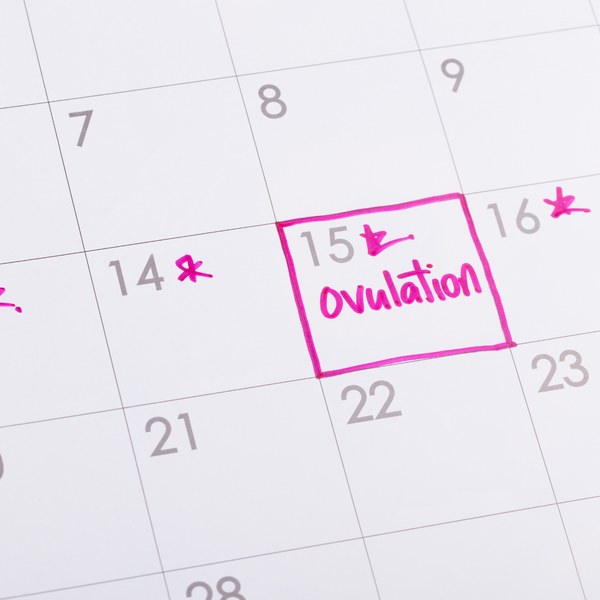
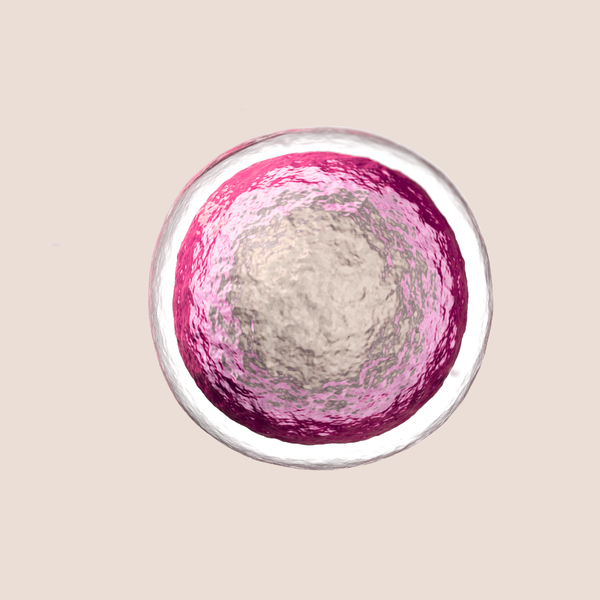
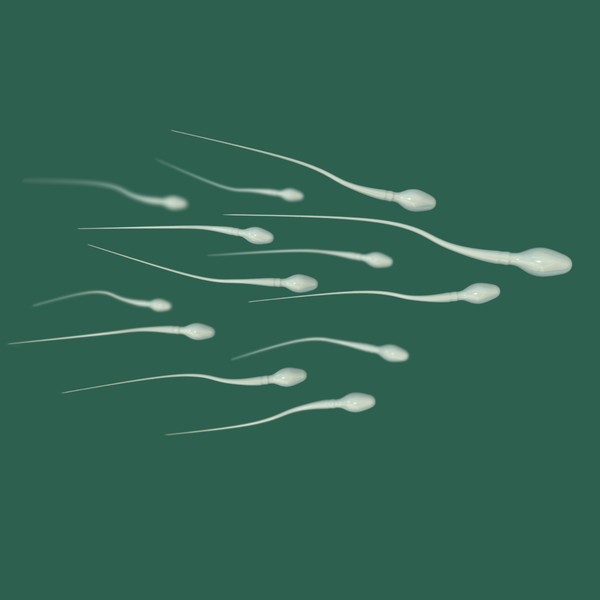
The follicle containing the egg develops over approximately 90 days leading up to ovulation. Sperm take approximately 70–90 days to mature.
During this window, the body benefits from:
• Steady blood sugar
• Adequate nutrient intake
• Reduced inflammation
• Consistent sleep and movement
Preconception health can support fertilization, implantation, and early embryonic development.
Supporting your body before pregnancy doesn’t require extremes. It begins with giving your body what it needs — consistently.
What Preconception Conversations Often Miss
Preparation does not require perfection.
You do not need:
• A rigid elimination diet
• An expensive stack of supplements
• To avoid every food that isn’t labeled “fertility boosting”
• To carry the responsibility alone
Preconception care should feel like steady support — not like an exam with a pass/fail outcome.
What Actually Supports Fertility Before Pregnancy
Instead of extremes, focus on foundations.
Balanced Meals
Think carbohydrates + protein + fruit or vegetables + healthy fats.
Balanced meals help regulate hormone signaling, ovulation, and metabolic stability.
Nutrient-Dense Foods
Brightly colored fruits and vegetables provide antioxidants that help protect developing egg and sperm cells.
Supplementation may be appropriate — especially folic acid and vitamin D when deficient — but more is not always better.
Healthy Fats
Olive oil, nuts, seeds, avocados, and omega-3-rich fish support cell membrane integrity and help reduce inflammation.
Supplement Thoughtfully
Some nutrients matter before pregnancy — even before a positive test.
Folic acid is one of them. Most people trying to conceive are advised to take a prenatal vitamin with 400–800 mcg to support early development.
Other nutrients matter, too. Focus on a strong food foundation, supplementing thoughtfully when needed.
Movement & Sleep
Regular movement improves insulin sensitivity and circulation.
Sleep supports hormone regulation and recovery.
These habits do not need to be intense to be effective. Consistency matters more than intensity.
Both Partners Play a Role
Men are half of the equation.
Sperm develop over approximately 70–90 days, meaning nutrition and lifestyle habits during this window influence sperm quality as well.
When partners focus on nourishment together, it reinforces that fertility preparation is shared — not carried by one person alone.
A Fertility-Friendly Day of Eating
Breakfast: Greek yogurt with berries, chia seeds, and walnuts
Lunch: Quinoa bowl with roasted vegetables, chickpeas, and olive oil
Snack: Apple with almond butter and pumpkin seeds
Dinner: Salmon, roasted sweet potatoes, and sautéed greens
Simple. Balanced. Sustainable.
Preconception — Without the Pressure
The fertility journey can already feel vulnerable.
Online conversations sometimes add unnecessary anxiety — especially when they imply that outcomes are fully within your control.
Nutrition does matter. But fertility is influenced by many factors.
The goal of preconception nutrition is not perfection. It is nourishment — steady, realistic habits that support overall health and reproductive physiology.
If you’re trying to conceive and want personalized guidance focused on the factors most likely to influence your fertility — without overwhelm — I offer free intro calls to help you clarify what deserves your attention, and what doesn’t.
What This Means for You
If you’re in this preconception window, you don’t need to do everything. It’s more helpful to focus on what actually matters.
If you’d like personalized guidance on how to prioritize your nutrition during the preconception phase, you can:
→ Schedule a free 20-minute intro call to clarify your next best steps. (Available for clients in California and New York.)
Or
→ Start with Eat for Fertility, a practical guide designed to help you build balanced, fertility-supportive meals without overwhelm.
Both options are designed to give you clarity — without the pressure.