PCOS and Food Cravings: How to Support Blood Sugar and Fertility
Food cravings with PCOS are not a lack of willpower. Learn how blood sugar, insulin resistance, appetite signals, and balanced meals may play a role.


If you live with polycystic ovary syndrome (PCOS), cravings can feel hard to ignore. This is not a lack of willpower. PCOS can affect blood sugar, insulin levels, appetite signals, mood, and energy, all of which may influence cravings.
The good news is that cravings can often be supported with practical nutrition and lifestyle strategies. Balanced meals, regular eating patterns, adequate nourishment, and supportive routines may help reduce the intensity of cravings while also supporting metabolic and reproductive health.
Trying to conceive with PCOS?
Download the free PCOS Fertility Starter Guide for a simple overview of how nutrition can support ovulation, metabolic health, and fertility.
Why PCOS Can Increase Cravings
Cravings with PCOS can happen for several reasons.
Insulin resistance
Insulin resistance is common in PCOS. It means the body’s cells do not respond to insulin as effectively, which can lead to higher insulin levels and changes in blood sugar. These changes may contribute to hunger, cravings, and feeling less satisfied after eating.
Learn more in How Blood Sugar Affects PCOS and Fertility.
Hormone patterns
PCOS is associated with changes in reproductive and metabolic hormones that can affect ovulation, metabolism, and appetite regulation. These hormone patterns may also play a role in how hunger and cravings show up for some people.
Hunger and fullness signals
PCOS may influence signals involved in hunger and fullness. This can make it more difficult to feel satisfied after meals or to identify whether a craving is related to hunger, stress, fatigue, or habit.
Mood and stress
Living with symptoms such as acne, weight changes, irregular cycles, or fertility challenges can understandably affect mood and self-esteem. Stress, fatigue, and low mood can also make cravings feel more intense.
For an overview of how PCOS can affect fertility, read PCOS and Fertility.
Cravings with PCOS are real, and they are not a lack of willpower. The goal is not to avoid every food you crave, but to build meals, snacks, and routines that help you feel more steady, satisfied, and nourished.
Practical Strategies to Support Cravings, Blood Sugar, and Fertility
Build Balanced Meals
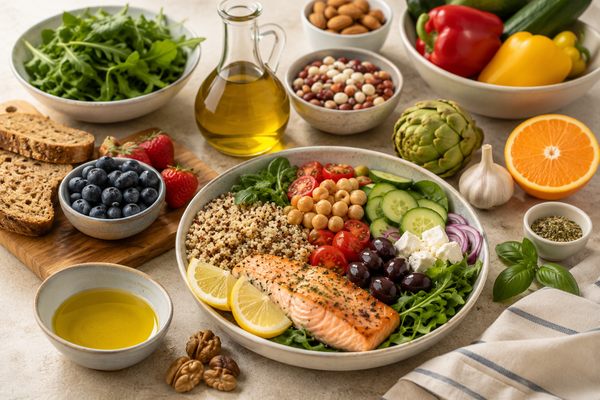
Combining fiber-rich carbohydrates, fruits or vegetables, protein, and healthy fats can help support steady blood sugar and make meals more satisfying.
The Fertility Plate provides a simple framework for combining these foods without tracking or unnecessary restriction.
Try: overnight oats with chia and berries for breakfast, a turkey and hummus wrap for lunch, or grilled chicken with sweet potatoes and vegetables for dinner.
For more meal ideas, read PCOS-Friendly Breakfast Ideas to Support Blood Sugar and Fertility, PCOS-Friendly Lunch Ideas to Support Blood Sugar and Fertility, and PCOS-Friendly Dinner Ideas to Support Blood Sugar and Fertility.
Eat Regularly
Going long stretches without eating can increase hunger and make cravings feel more intense. Regular meals can help support steady energy and reduce the urgency of cravings.
Snack Strategically
Balanced snacks can help reduce long gaps between meals and provide steady fuel.
Try: hummus with vegetables, cheese with whole grain crackers, Greek yogurt with berries, or a handful of nuts with fruit.
Choose Drinks That Support Blood Sugar
Sugary drinks can contribute to sharper blood sugar changes. Water, unsweetened sparkling water, or other unsweetened beverages can be helpful everyday options.
Support Mood, Stress, and Sleep
Stress, low mood, fatigue, and poor sleep can all make cravings feel harder to manage. Movement, rest, mindfulness, enjoyable routines, and support from friends, family, or a trusted professional can all play a role.
Include Foods You Enjoy
Managing cravings does not mean removing every food you crave. Including satisfying foods in a balanced and intentional way can help reduce the all-or-nothing cycle that often makes cravings feel more intense.
PCOS, Cravings, and Fertility
Cravings with PCOS are real. They can be related to blood sugar, insulin resistance, hormone patterns, appetite signals, stress, and sleep.
You do not need a perfect diet to support PCOS and fertility. Balanced meals, regular eating patterns, satisfying snacks, and supportive routines may help reduce the intensity of cravings while supporting metabolic and reproductive health over time.
Want a simple place to start with PCOS and fertility nutrition?
Download the free PCOS Fertility Starter Guide for practical guidance on nutrition, blood sugar, ovulation, and fertility with PCOS.
Disclaimer: This article is for general educational purposes and is not a substitute for individualized medical, nutrition, or mental health care. Nutrition needs and fertility care vary based on health history, symptoms, medications, laboratory results, pregnancy status, and treatment plans. Discuss concerns, testing, diagnoses, and any changes to medications, supplements, or treatment with an appropriate healthcare professional.