Why Egg Development Matters with PCOS
PCOS can affect follicle development and ovulation. Learn how nutrition may support blood sugar, nourishment, and reproductive health without unnecessary restriction.

Why Egg Development Matters with PCOS
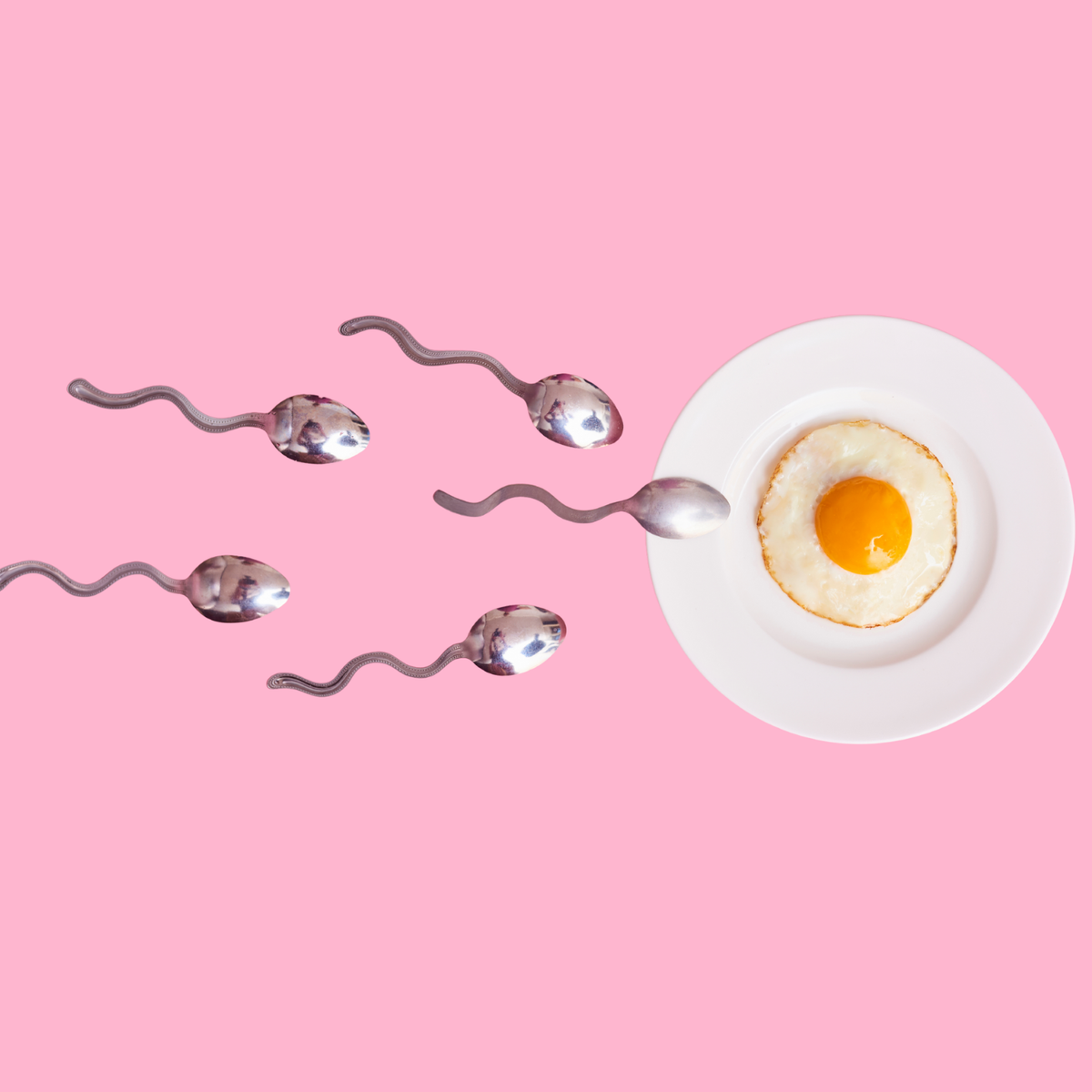
Polycystic ovary syndrome (PCOS) can affect ovulation, which is the release of a mature egg from the ovary. Many people with PCOS have a higher number of follicles, but not every follicle fully matures and ovulates.
Nutrition cannot guarantee ovulation or pregnancy. However, balanced meals, adequate nourishment, and blood-sugar supportive eating patterns may help support reproductive health over time.
For a full overview of how PCOS affects hormones, ovulation, and fertility, read PCOS and Fertility.
Want a simple place to start?
Download the free PCOS Fertility Starter Guide for a practical overview of how nutrition can support ovulation, metabolic health, and fertility with PCOS.
PCOS and Egg Development
PCOS is associated with hormone patterns that can affect follicle development and ovulation. Many follicles may begin to grow, but insulin resistance and higher androgen levels can interfere with the process that leads to egg maturation and ovulation.
This is one reason nutrition for PCOS often focuses on blood sugar, insulin sensitivity, regular meals, and adequate nourishment.
Nutrition and Lifestyle Strategies to Support Egg Development with PCOS
Eat Colorful Fruits and Vegetables
Colorful fruits and vegetables provide vitamins, minerals, fiber, and antioxidants that support overall reproductive health.
Choose Balanced Meals
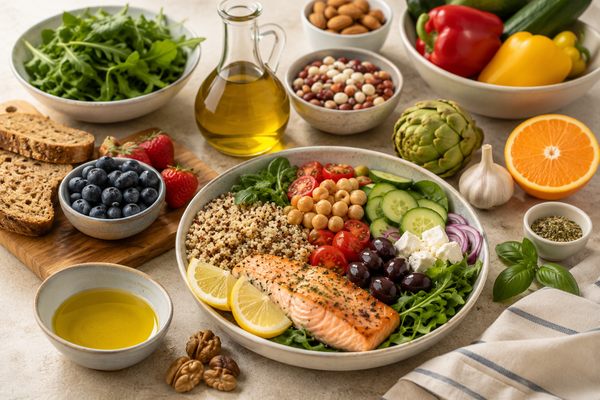
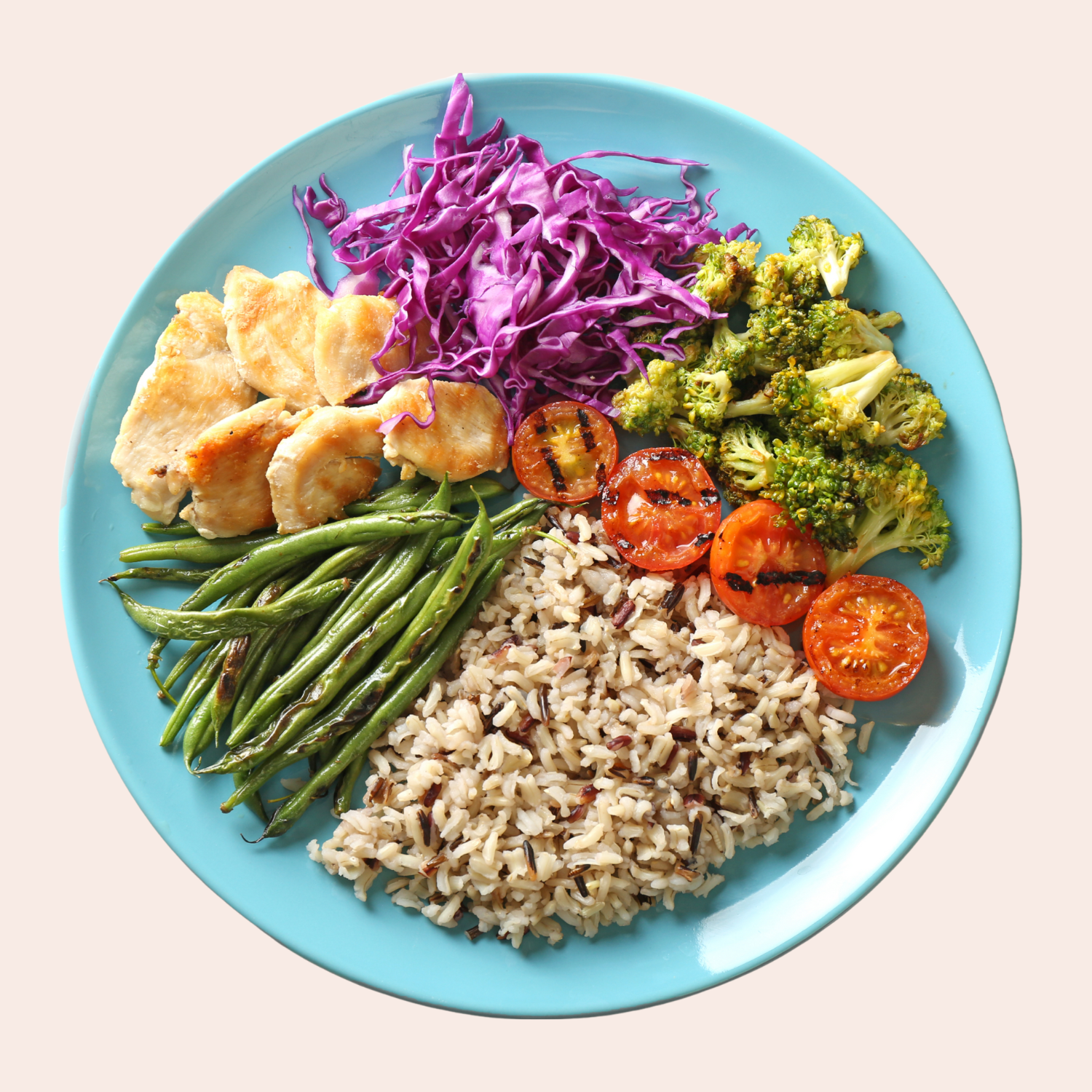
Pair fiber-rich carbohydrates with protein and healthy fats to help support steady blood sugar and make meals more satisfying.
Use The Fertility Plate as a simple framework for combining vegetables, protein, fiber-rich carbohydrates, and healthy fats.
Learn more in How Blood Sugar Affects PCOS and Fertility.
Include Healthy Fats
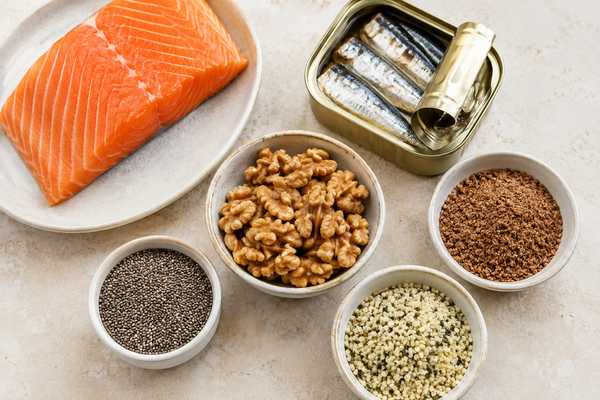
Avocados, nuts, seeds, olive oil, and omega-3-rich fish provide fats that support overall health and help make meals satisfying.
Learn more about omega-3 food sources and DHA in Omega-3s Before Pregnancy: Why DHA Matters for Fertility and Early Pregnancy.
Stay Active
Regular movement can help support insulin sensitivity, metabolic health, and overall well-being.
A PCOS-Supportive Day of Eating
Each of the following meals combines protein, fiber-rich carbohydrates, colorful fruits or vegetables, and healthy fats.
Breakfast: Greek yogurt parfait with berries, chia seeds, and walnuts.
Lunch: Quinoa and lentil salad with spinach, pumpkin seeds, lemon, and olive oil dressing.
Snack: Carrots, hummus, boiled egg, and whole grain crackers.
Dinner: Salmon with roasted sweet potatoes and broccoli.
For more PCOS meal ideas, read PCOS-Friendly Breakfast Ideas to Support Blood Sugar and Fertility, PCOS-Friendly Lunch Ideas to Support Blood Sugar and Fertility, and PCOS-Friendly Dinner Ideas to Support Blood Sugar and Fertility.
PCOS, Ovulation, and Fertility
For people with PCOS, nutrition may focus on blood sugar, insulin sensitivity, adequate nourishment, and balanced meals.
Over time, consistent meals that include protein, fiber-rich carbohydrates, colorful fruits and vegetables, and healthy fats may help support reproductive health without requiring a restrictive diet.
For broader overviews, read Egg Health and Nutrition and Does Nutrition Affect Ovulation? How Diet Supports Hormones and Fertility.
Want a Simple Meal Framework?
Download the free Fertility Plate Starter Guide for a simple way to build balanced meals with protein, fiber-rich carbohydrates, colorful vegetables, and healthy fats.
Disclaimer: This article is for general educational purposes and is not a substitute for individualized medical, nutrition, or mental health care. Nutrition needs and fertility care vary based on health history, symptoms, medications, laboratory results, pregnancy status, and treatment plans. Discuss concerns, testing, diagnoses, and any changes to medications, supplements, or treatment with an appropriate healthcare professional.