Meal Planning for Fertility: How to Stock Your Kitchen
Meal planning for fertility does not need to be complicated. Learn how to stock your pantry, fridge, and freezer with simple staples for balanced meals.


Eating for fertility works best when nourishing choices feel simple and doable. Meal planning is easier when your kitchen is stocked with ingredients you enjoy and can use to make quick, balanced meals.
When you’re preparing for pregnancy and supporting hormone balance, a few steady planning habits can create a strong foundation. You do not need a perfect meal plan or a fully stocked kitchen to begin. Start with a few staples that help you build meals with protein, fiber-rich carbohydrates, colorful produce, and healthy fats.
Want a simple way to start eating for fertility?
Download the free Fertility Plate Starter Guide for a balanced framework you can use to build fertility-supportive meals without tracking, counting, or unnecessary restriction.
1. Start with Your Pantry
Meal planning begins long before you cook — it starts with what’s on your shelves. A well-stocked pantry helps you build balanced meals without last-minute stress.
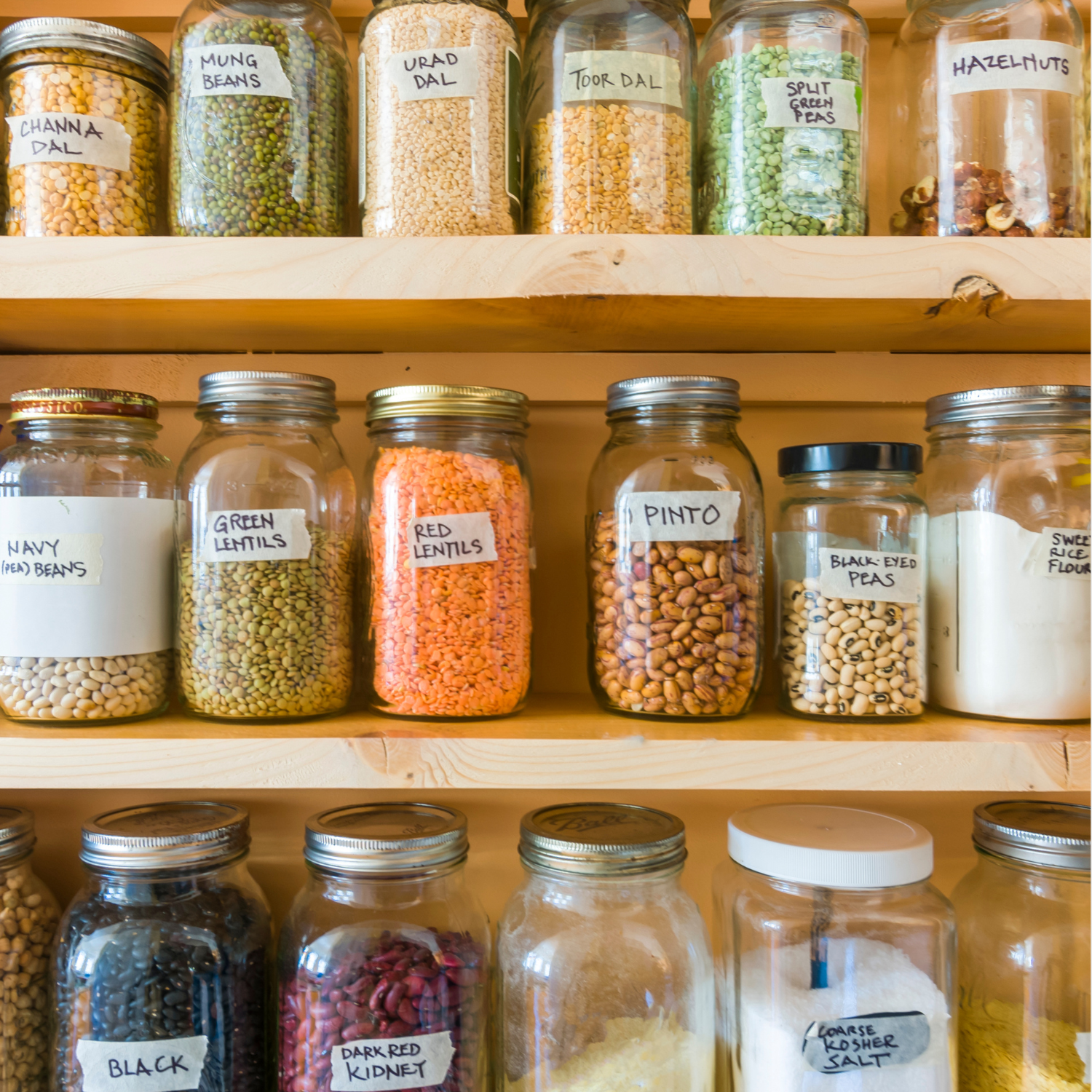
Fertility-friendly staples include:
- Whole grains like quinoa, oats, and brown rice
- Legumes such as lentils, beans, and chickpeas
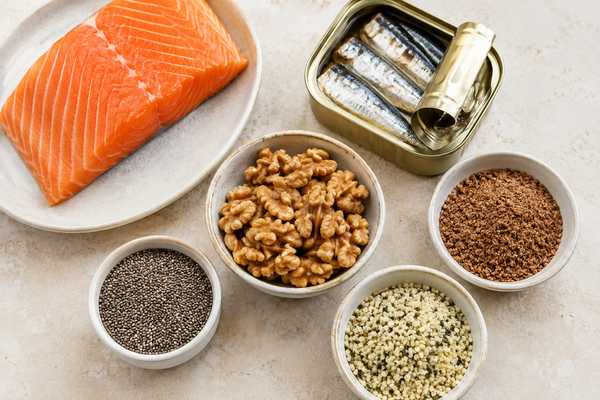
- Nuts and seeds (especially walnuts, chia, and flax)
- Healthy oils like olive or avocado oil
Aim to keep your pantry mostly stocked with whole-food staples, along with a few convenient options. It’s about balance, not restriction.
2. Use Your Fridge and Freezer Wisely
Fresh foods add color and variety to your plate — a simple way to get the antioxidants and nutrients that support reproductive health.
Keep your fridge stocked with:
- Leafy greens (spinach, arugula, kale) and cruciferous vegetables (like broccoli, cabbage, and cauliflower)
- Berries and citrus
- Eggs, fish, tofu, or chicken for protein
- Pre-chopped or washed produce for busy nights
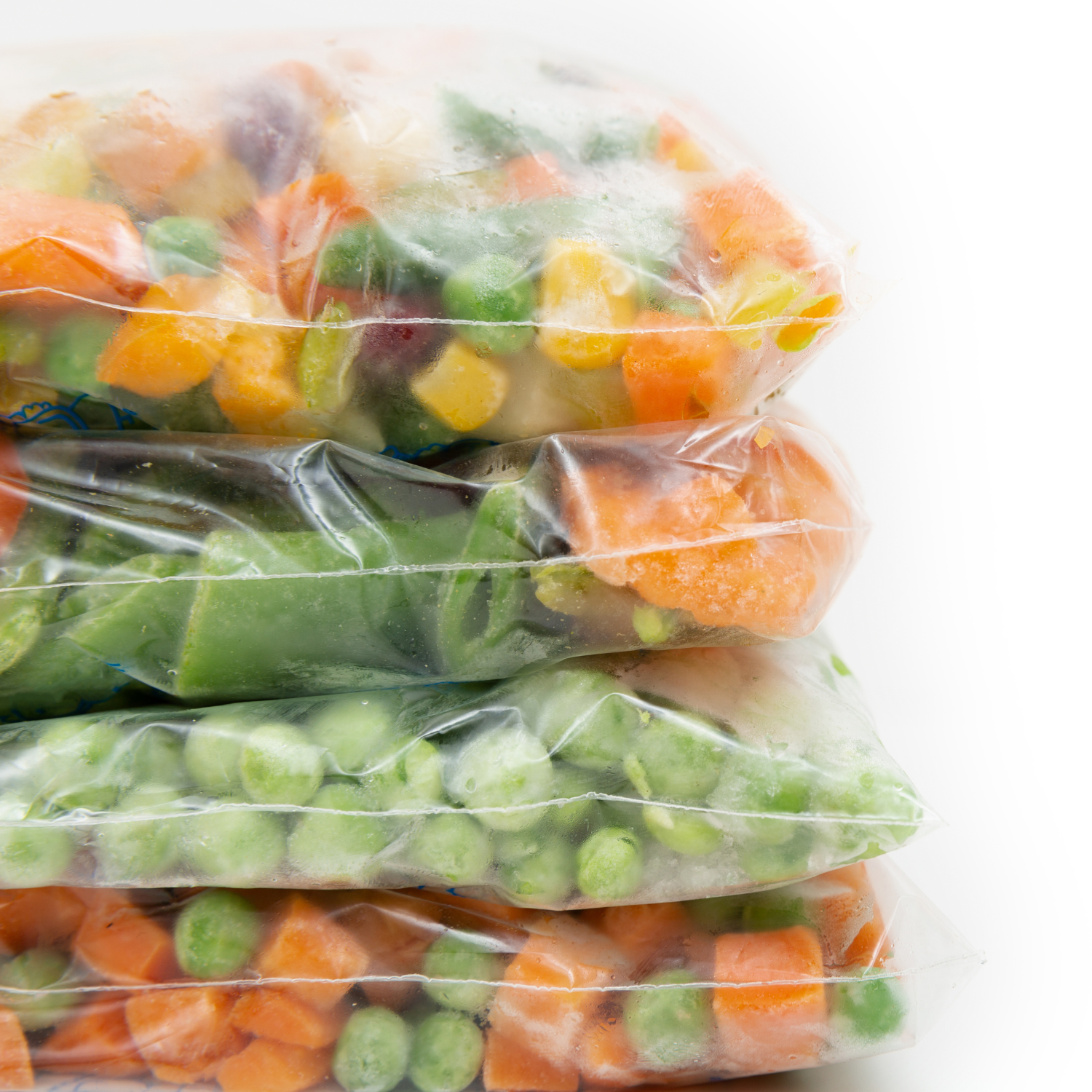
Your freezer is just as valuable. Stock:
- Frozen fruits
- Frozen vegetables
- Frozen salmon, cod, shrimp, or veggie burgers
- Cooked grains stored in small containers
These items save time and help you stay nourished when life gets hectic. Having the right foods on hand can help you make choices that support fertility with a little less effort.
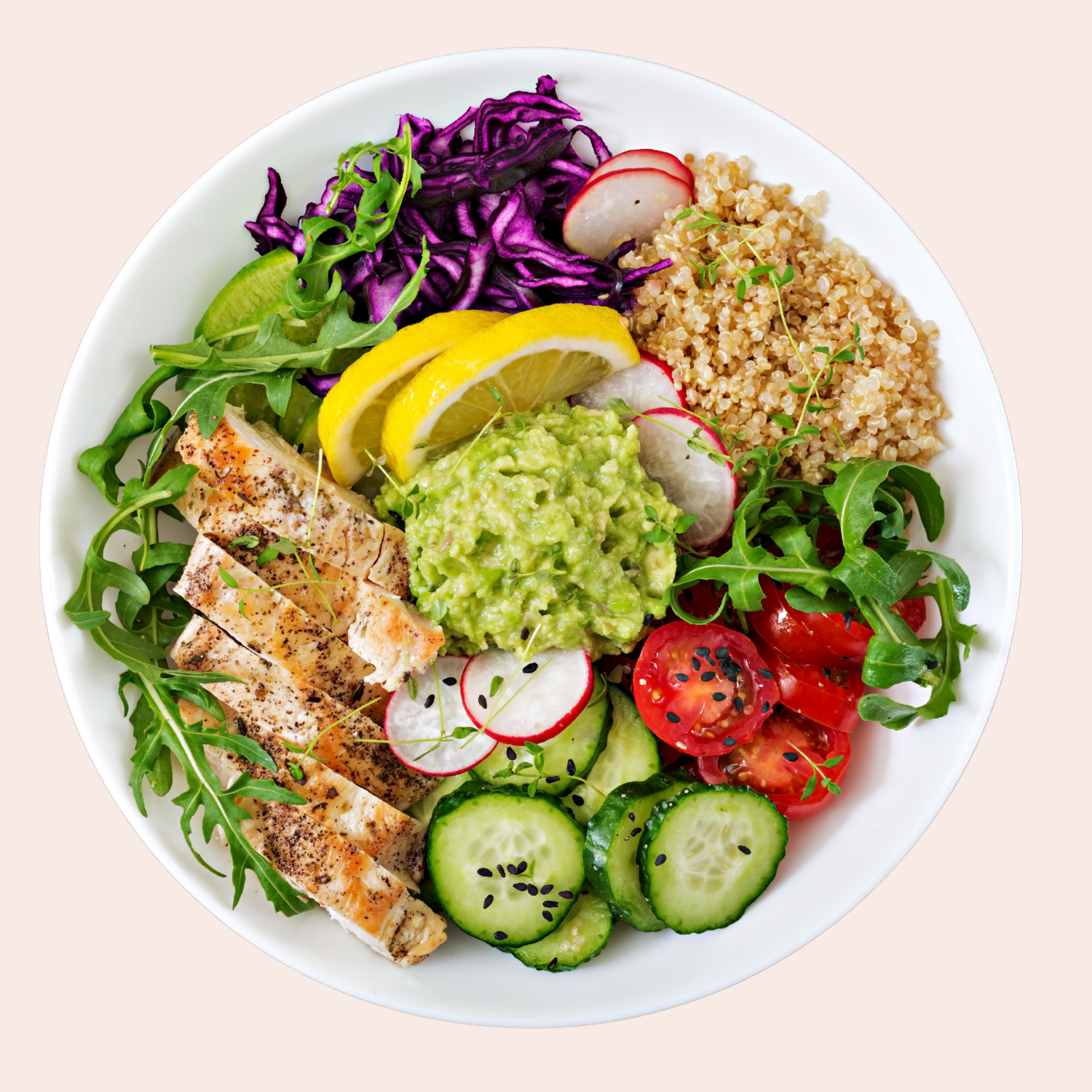
3. Build a Fertility Plate
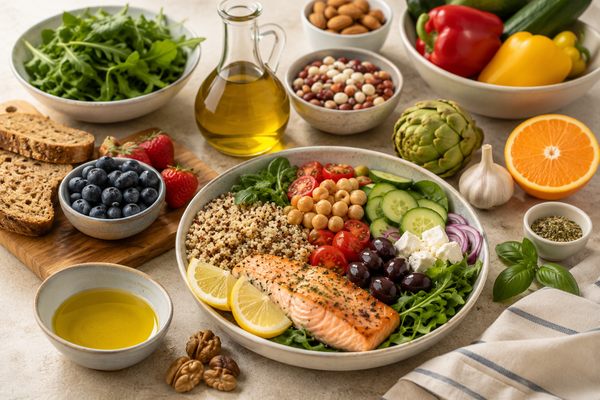
Once your kitchen is stocked, The Fertility Plate provides a simple blueprint for building balanced meals
- ½ colorful fruits and vegetables – provide antioxidants and fiber
- ¼ protein – support egg and sperm cell structure
- ¼ complex carbohydrates – provide sustained energy and support hormone balance
- + healthy fats – support hormone production and healthy cell membranes
Example meals:
- Breakfast: Greek yogurt, berries, and a sprinkle of chia
- Lunch: Quinoa bowl with salmon and a leafy green salad dressed with lemon and olive oil
- Dinner: Stir-fried vegetables, chicken, and brown rice
Consistency is key. Not every meal needs to be perfect, but regular balanced meals can help support steady energy, nourishment, and reproductive health. Learn more about what to eat when trying to conceive.
Your Fertility Takeaway
You can start by stocking a few key items each week and building your meals around balance, color, and variety. Over time, these small habits can add up and support hormone and reproductive health.
Related Reading
- The Fertility Plate: A Simple Framework for Eating to Support Fertility
- What to Eat When Trying to Conceive
- Egg Health and Nutrition
- Sperm Health and Nutrition
Want a Simple Way to Start Eating for Fertility?
Download the free Fertility Plate Starter Guide for a simple, balanced framework you can use to build fertility-supportive meals without tracking, counting, or unnecessary restriction.
Disclaimer: This article is for general educational purposes and is not a substitute for individualized medical, nutrition, or mental health care. Nutrition needs and fertility care vary based on health history, symptoms, medications, laboratory results, pregnancy status, and treatment plans. Discuss concerns, testing, diagnoses, and any changes to medications, supplements, or treatment with an appropriate healthcare professional.